Blog

  • How to Maintain an EPDM Roof and How Often to Inspect It

    How to Maintain an EPDM Roof and How Often to Inspect It

    To keep an EPDM rubber roof performing at its best, inspect it at least twice a year and clear off organic debris every few months. EPDM membrane is exceptionally durable, but George receives year-round rainfall and heavy moisture from the Outeniqua mountains, making routine checks vital before rainy weather sets in. Catching minor issues like blocked outlets or lifting edge lap sealant early prevents moisture ingress and ensures the membrane reaches its multi-decade potential.

    The Recommended EPDM Roof Inspection Schedule

    Inspecting your roof membrane twice a year gives you full visibility over its condition across shifting seasonal weather patterns. The best times to step onto the roof are during early autumn before heavy winter rains arrive, and again in spring after winter storms have passed. You should also conduct an immediate check following severe weather, such as high-velocity coastal gales or intense hailstorms. While understanding how long an EPDM waterproofed roof lasts in South Africa highlights the membrane’s toughness, neglected debris can shorten that lifespan.

    • Early autumn to prepare drainage outlets and gutters before prolonged rain cycles.
    • Mid-spring to evaluate any wind-driven seam movement or surface grit buildup.
    • Post-storm assessments following unusual hail or severe gale events along the Garden Route.

    Routine Maintenance Checklist for Rubber Membranes

    Maintaining an EPDM roof does not require specialized chemicals or heavy machinery. In fact, aggressive cleaners can damage the synthetic rubber. Routine maintenance focuses primarily on hygiene, gentle cleaning, and visual integrity checks. If you are comparing systems or budgeting for an upgrade, reviewing how much EPDM waterproofing costs in George per square metre shows that preventative care delivers strong returns over recurring repairs.

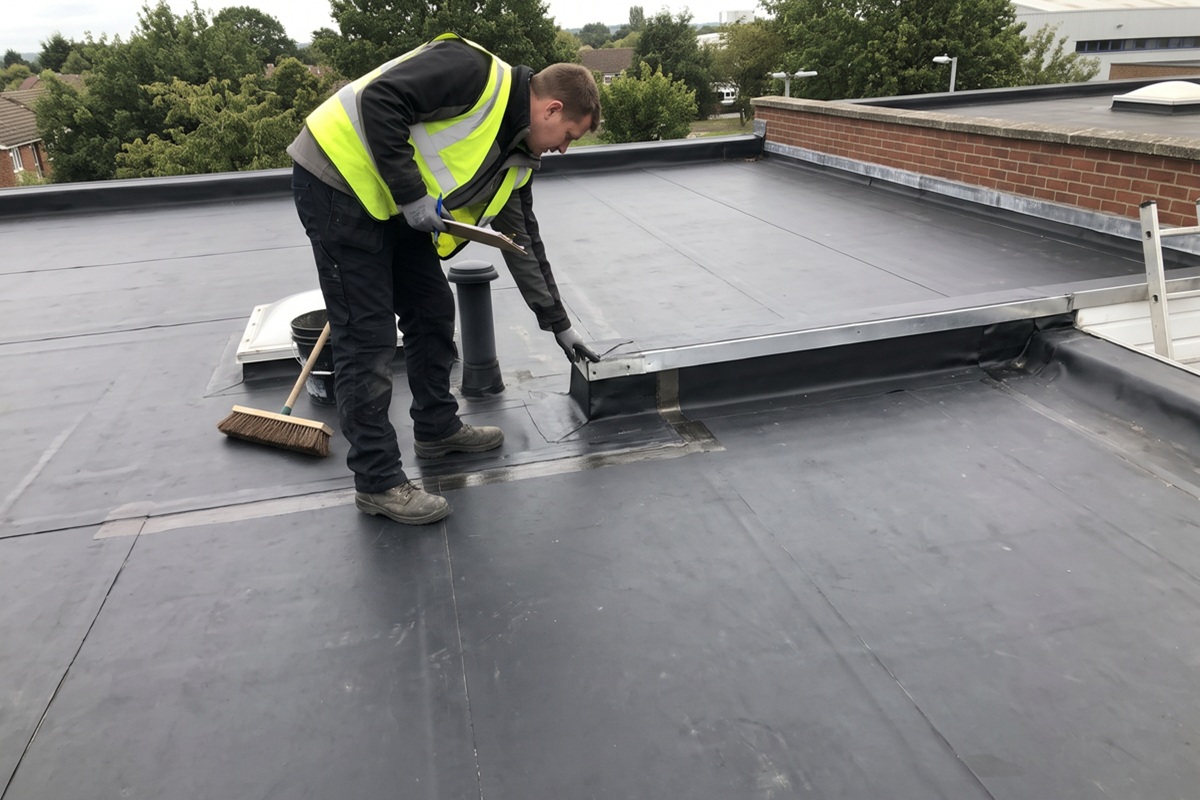
    • Sweep away fallen leaves, pine needles, and twigs using a soft-bristled push broom.
    • Clear out internal scuppers, downpipes, and drainage sumps to stop standing water.
    • Wash down dirt or bird droppings with clear tap water and a mild dish soap.
    • Trim back overhanging tree branches that scrape the membrane during high winds.

    Managing Ponding Water

    EPDM is waterproof and unaffected by standing water, but persistent ponding indicates slow drainage or structural sagging. Clearing sediment around outlets prevents puddles from collecting dirt and degrading lap adhesives over many years.

    Key Warning Signs to Look for During Inspections

    Whenever you conduct an inspection, examine high-stress junctions rather than just the open flat surface. The main body of a single-ply membrane rarely fails on its own; failures almost always occur where the rubber meets metal, masonry, or another roll. Investing in quality installation like professional EPDM waterproofing eliminates installation errors, but ongoing wear still requires monitoring.

    • Separation or fish-mouthing along vulcanised or taped lap seams.
    • Cracked, dried out, or peeling perimeter termination sealants along parapet walls.
    • Cuts, punctures, or gouges caused by dropped tools, contractor foot traffic, or sharp windblown debris.
    • Loose counter-flashing around solar panel brackets, air-conditioning units, or skylights.

    Proper Cleaning Methods to Avoid Membrane Damage

    Using the wrong cleaning supplies on an EPDM roof will strip the protective oils from the rubber and break down the adhesives holding your seams together. Petroleum-based products, solvents, citrus cleaners, and harsh chemical acids will cause the rubber sheet to swell and delaminate.

    • Never apply solvent-based strippers, turpentine, or white spirits to remove marks.
    • Avoid petrol-powered pressure washers with pinpoint nozzles that can cut into seams.
    • Stick to household liquid dishwashing detergents mixed with lukewarm water.
    • Rinse the surface thoroughly with clean water to prevent soapy residue from attracting fresh dust.

    EPDM Waterproofing With RPA Waterproofing

    While seasonal surface sweeping is simple for property owners, technical seam repairs and flashing replacements demand skilled hands. RPA Waterproofing delivers expert membrane assessment, seam reinforcement, and scheduled maintenance across George and the surrounding Garden Route. If your roof exhibits joint separation, blocked drainage, or post-storm damage, reach out to our team by clicking the button below to book a professional inspection and safeguard your building envelope.

    FAQs

    Can you walk on an EPDM roof to clean it?

    Yes, you can safely walk on an EPDM rubber roof for routine maintenance and cleaning. Wear soft-soled shoes without deep tread that could trap sharp gravel or stones, and take extra caution when the wet rubber surface becomes slippery.

    How do I clean moss or algae off an EPDM membrane?

    Use a mixture of warm water and mild dish soap along with a soft-bristled broom to loosen algae and fungal growth. Avoid harsh bleach mixtures, aggressive biocides, or abrasive wire brushes, as these can strip protective compounds from the rubber surface.

    What should I do if I find a puncture or cut in the rubber?

    Clean the area around the cut immediately with clean water to remove dirt. Do not attempt a quick fix with standard silicone caulk or asphalt mastic, as asphalt degrades EPDM. Instead, have a trained waterproofing technician apply an EPDM uncured flashing patch using rubber primer and seam adhesive.

    Does ponding water damage an EPDM roof?

    Unlike traditional torch-on felt, EPDM rubber is synthetic and impervious to biological degradation caused by standing water. However, ponding water adds unnecessary structural weight and collects fine silt, so clearing the surrounding drainage outlets remains an essential maintenance priority.
  • Do You Need to Remove Your Old Roof Covering Before Installing EPDM?

    Do You Need to Remove Your Old Roof Covering Before Installing EPDM?

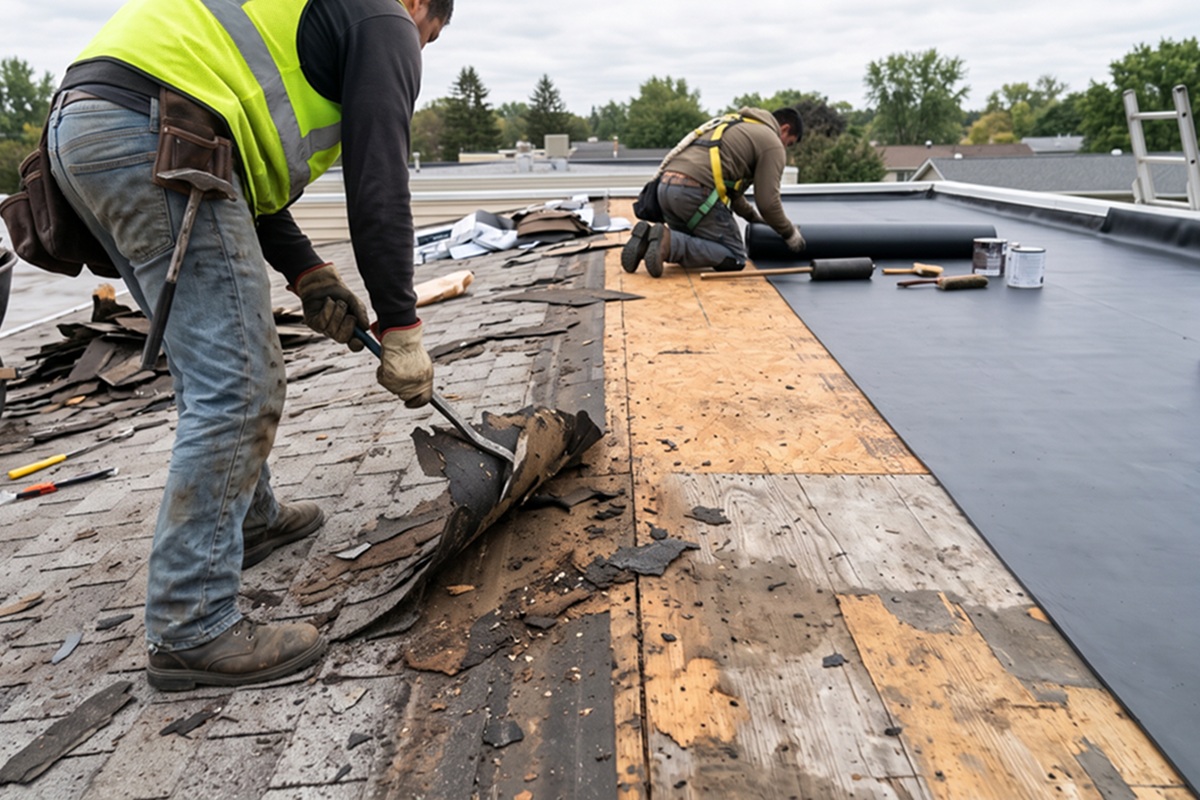
    You do not always need to remove your old roof covering before installing EPDM, but your decision depends entirely on the moisture levels, structural integrity, and weight of the existing deck. If the current roof is flat, dry, and firmly adhered, applying an EPDM membrane over a suitable timber or insulation recovery board is completely viable. Conversely, if your existing felt or asphalt has trapped water or rotten deck boards beneath it, leaving the old material in place will ruin the new installation. In the damp coastal climate of George, hiding soaked substrates beneath a synthetic rubber sheet causes fast timber rot and adhesive failure.

    When an Overlay Works Without Stripping the Old Roof

    Overlaying saves time and disposal fees when the underlying structure remains in prime condition. Installing professional EPDM waterproofing systems over an existing roof requires a clean, solid, and flat surface to ensure the contact adhesive or mechanical fasteners hold firm. Flat roofs with a single layer of aged mineral felt often qualify for an overlay, provided there are no active leaks soaking the deck boards beneath.

    An overlay installation makes sense when your property meets specific structural conditions:

    • The roof decking exhibits no signs of sagging, springiness, or fungal decay.
    • Only one existing layer of roofing material is present on the roof structure.
    • A core sampling test confirms that the insulation and timber substrate are bone dry.
    • The load capacity of the existing roof frame easily accommodates the added weight.

    When Stripping the Old Roof Is Mandatory

    Covering up an unsound roof is a false economy that creates expensive structural issues later. When moisture enters an old roof system, it stays trapped. Trapping wet screed, soggy insulation, or damp plywood beneath an impermeable EPDM sheet stops the roof from breathing. As the Garden Route sun heats the deck, that trapped water turns to steam, creating severe blisters that push the rubber sheet away from the substrate.

    The Hidden Risk of Trapped Moisture in George

    George receives consistent rainfall across all four seasons, paired with high coastal humidity rolling off the ocean against the Outeniqua mountains. A leaking roof in this region quickly saturates structural rafters. Stripping the old materials gives contractors immediate visibility to replace degraded battens, treat timber against fungal decay, and adjust falls so water drains toward the gutters properly.

    Complete removal of the old roof covering is necessary if you notice any of the following warning signs:

    • Spongy deck boards that bend or yield under normal foot traffic.
    • Multiple historic layers of felt, asphalt, or liquid coatings piled on top of each other.
    • Visible mould, damp smells, or staining inside the ceiling cavities below.
    • Extensive ridging, cracking, or surface blisters across the existing roof covering.

    How Substrate Preparation Affects Lifespan and Project Costs

    Surface preparation forms the foundation of roof longevity. Understanding how long an EPDM waterproofed roof lasts in South Africa demonstrates why pristine deck preparation matters so much. When installed on an uneven or degraded base, even commercial-grade rubber membranes can suffer from mechanical stress, poor seam adhesion, and premature failure.

    Stripping the old layers increases initial labour and waste removal charges, but it eliminates the risk of premature tear-offs later on. Reviewing how much EPDM waterproofing costs in George per square metre allows you to evaluate tear-off costs against the extended durability of a completely revitalised deck.

    Proper preparation before rolling out the membrane follows several defined stages:

    • Removing all loose chippings, debris, and sharp protrusions that could puncture the membrane.
    • Fitting dense wood-fibre or polyisocyanurate recovery boards over the old surface when choosing an overlay.
    • Replacing damaged structural boards with exterior-grade plywood or oriented strand board.
    • Applying solvent-based primers to porous surfaces to guarantee complete adhesive bonding.

    Precision Solutions With RPA Waterproofing

    RPA Waterproofing inspects residential and commercial roofs throughout George to identify whether an overlay or a full strip-down is the right mechanical choice for your building. We evaluate the moisture profile, load limits, and timber health of your structure before recommending an installation path. Contact our technical team today by clicking the button below to arrange an on-site roof inspection and receive a detailed assessment for your property.

    FAQs

    Can EPDM be glued directly over old mineral felt?

    Direct gluing to rough mineral felt is not recommended because the mineral granules prevent uniform adhesive contact. Installing an approved 6 mm or 9 mm recovery board over the felt creates a clean, smooth base that EPDM adhesives bond to permanently.

    How can I tell if my existing roof decking has trapped moisture?

    A roofing contractor conducts thermal imaging scans or takes small core samples from the lowest points of the roof pitch. Sponginess underfoot or damp patches on internal ceilings are also immediate indicators of trapped water.

    Does adding an EPDM overlay increase structural load?

    Yes. While an unballasted EPDM sheet is relatively light at approximately 1.4 kilograms per square metre, adding recovery boards and bonding adhesives increases dead weight. A roof that already carries two previous roof coverings should never receive an overlay without a full tear-off.

    How long does stripping an old flat roof take?

    For an average residential flat roof, stripping the old covering and inspecting the timber decking takes less than a single working day. Contractors coordinate this work around dry weather windows to ensure your exposed building stays shielded from rain.

  • How EPDM Waterproofing Handles George’s Heavy Rain, Wind and Humidity

    How EPDM Waterproofing Handles George’s Heavy Rain, Wind and Humidity

    EPDM waterproofing handles George’s heavy rain, high humidity, and coastal wind through its synthetic rubber composition, which stays elastic across extreme temperature swings and remains impervious to standing water. Unlike traditional bitumen systems that crack under shifting Garden Route weather or acrylic coatings that wash away in prolonged damp conditions, EPDM rubber creates a continuous, vulcanised barrier that neither rots nor tears under severe mountain gusts.

    Managing George’s Year-Round Rainfall and Standing Water

    George receives rainfall in every season, often driven by intense cut-off low systems coming off the Indian Ocean and hitting the Outeniqua Mountains. Standard roofing membranes struggle because persistent moisture weakens glued seams and softens water-based liquid sealants. High-grade EPDM synthetic rubber resists long-term water contact without swelling or breaking down down at the molecular level. For property owners evaluating roof protection, installing proven EPDM waterproofing eliminates the common seam failures found in torch-on membranes.

    When intense precipitation causes temporary ponding around internal outlets or box gutters, EPDM remains completely stable. The material exhibits specific properties that handle extreme South African downpours:

    • Large sheet sizes that minimise seams across flat and low-pitch roof decks
    • Total resistance to stagnant ponding water, preventing substrate saturation during multi-day rain events
    • Seamless detailing around parapets, skylights, and drainage outlets where water naturally collects
    • Rapid drainage compatibility that prevents moss and sediment buildup along box gutters

    Withstanding Outeniqua Berg Winds and Coastal Gales

    Roofs along the Garden Route experience dramatic barometric shifts. Fierce berg winds channel dry heat down from the Karoo, followed closely by cold, gale-force southerly storms. These wind events generate massive negative pressure over roof edges, lifting poorly bonded membranes and stripping mechanical fixings.

    Engineered Wind Uplift Resistance

    When installed using contact adhesives directly onto concrete, timber, or insulation boards, EPDM forms a cohesive bond across the entire roof deck. This method distributes wind pressure evenly across the surface rather than concentrating stress on individual fasteners.

    EPDM holds up against severe wind loads because of several structural advantages:

    • Uniform substrate bonding that stops air from getting under the membrane edges during coastal squalls
    • Elasticity exceeding 300 percent, allowing the sheet to stretch and absorb movement when the building frame shifts in high winds
    • High tear and puncture resistance that withstands flying twigs, loose tiles, and coastal debris
    • Flexibility at sub-zero temperatures during winter mountain frosts without snapping or splitting

    Handling Persistent Humidity, Salt Mist and Temperature Swings

    Living close to Herolds Bay and Victoria Bay brings a steady stream of salt air and high relative humidity. Organic materials and untreated metals corrode rapidly in this coastal atmosphere. EPDM is an inorganic synthetic elastomer that does not degrade when exposed to salt-laden ocean mist, ozone, or persistent atmospheric moisture. Understanding how long an EPDM roof lasts in South Africa helps property owners plan long-term maintenance without worrying about premature material fatigue.

    Thermal Shock and Elastic Memory

    George can experience chilly mornings followed by scorching afternoon sun. This rapid thermal cycle causes roofing substrates to expand and contract repeatedly. Rigid membranes develop stress fractures along these movement joints. EPDM retains its elastic memory, stretching as the building expands in the midday heat and snapping back as coastal fog rolls in at dusk.

    The membrane resists Garden Route atmospheric factors through specific chemical traits:

    • Zero organic plasticisers, ensuring the rubber never dries out, shrinks, or goes brittle under coastal UV rays
    • Immunity to fungal attack, rot, and mould growth in humid, shaded roof valleys
    • Chemical inertness against airborne salt spray drifting inland from the coastline
    • Stable performance during sudden shifts from hot northerly winds to damp ocean fronts

    EPDM Waterproofing With RPA Waterproofing

    Proper surface preparation and skilled adhesive application make the difference between a membrane that lasts decades and one that fails in the first heavy storm. RPA Waterproofing installs resilient EPDM rubber systems engineered specifically for the moisture demands of George and surrounding Garden Route communities. If you are planning a new build or replacing a leaking flat roof, review current EPDM waterproofing costs in George per square metre to understand your investment, then click the button below to arrange an on-site structural evaluation.

    FAQs

    Can EPDM be installed on flat roofs with zero pitch in George?

    Yes. EPDM does not break down or leach chemicals when submerged under standing water. Even if heavy rains create temporary ponding on dead-flat roofs before draining, the rubber membrane remains completely watertight.

    How does EPDM react to moss and algae growth in damp coastal climates?

    EPDM contains no organic food sources, so algae, moss, and lichen cannot feed on or penetrate the membrane. Any surface biological film that forms from falling leaves or damp mountain air can be rinsed away with light pressure washing without harming the rubber.

    Will strong coastal winds tear EPDM sheets off the roof deck?

    No, provided the system is installed correctly. Fully adhered EPDM uses specialised bonding adhesives that merge the sheet directly to the substrate, eliminating the air pockets and loose flaps that wind uses to rip membranes off decks.

    Does George humidity slow down the installation of EPDM?

    Adhesives require dry surfaces during initial application, so professional contractors monitor local weather windows closely. Once the adhesive cures and the seams cure, humidity has zero negative effect on the rubber material.

  • Does Rife Therapy Work: What Pretoria Residents Need to Know About Frequency Healing

    Does Rife Therapy Work: What Pretoria Residents Need to Know About Frequency Healing

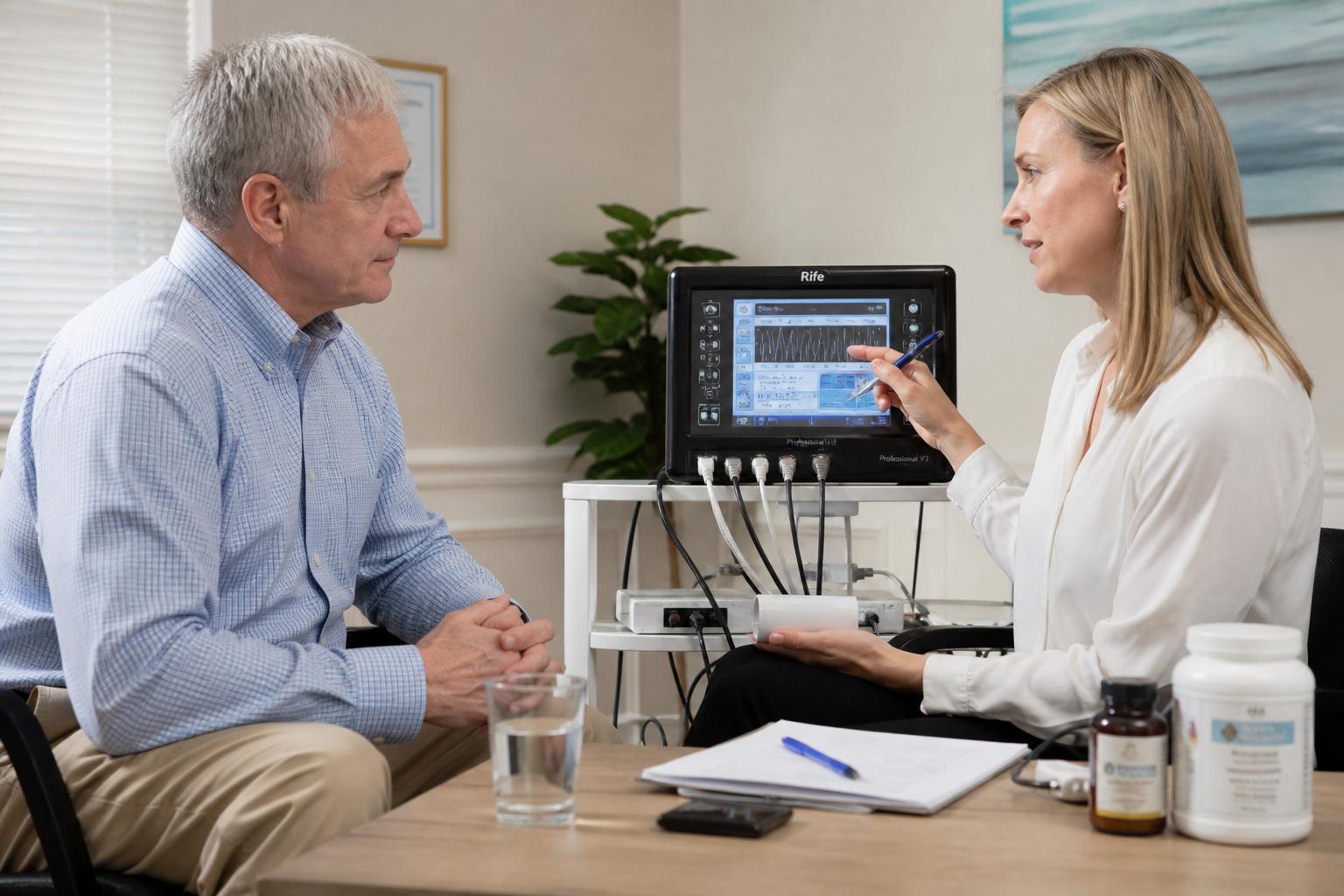
    Rife therapy works by delivering targeted electromagnetic frequencies directly into the body to match the natural oscillation rates of specific pathogens, stressed cells, or inflamed tissues. Thousands of wellness seekers across South Africa use frequency protocols to relieve chronic pain, ease persistent microbial issues, and restore depleted energy levels. While conventional medical boards classify frequency equipment as an alternative wellness modality rather than a standalone clinical cure, decades of bioelectromagnetic research and documented user outcomes confirm that frequency applications produce real, measurable cellular responses.

    For Pretoria residents dealing with persistent fatigue, joint discomfort, or recurring immune struggles, understanding how this modality functions helps separate genuine biological mechanisms from exaggerated claims.

    The Science Behind Electromagnetic Frequencies and Cell Response

    Every living micro-organism and tissue possesses an individual electrical frequency. Royal Raymond Rife identified in the 1930s that exposing an organism to its specific mortal oscillatory rate disrupts its structural integrity without damaging surrounding tissue. Modern devices expand upon these principles by introducing gentle microcurrents and electromagnetic fields through contact cylinders, foot mats, or plasma tubes to stimulate cellular vitality. To review the core mechanics and equipment configurations, study understanding wave applications and frequency output.

    When illness or environmental strain hits, the electrical voltage across human cell membranes drops from an optimal negative seventy millivolts down to sluggish levels. Restoring this voltage via external frequencies supports cellular nutrient intake, waste excretion, and oxygen circulation. It functions much like recharging an exhausted battery, supplying cells with the energetic input needed to repair themselves.

    Practitioners and biological researchers observe several physiological reactions when applying specific frequencies:

    • Cellular membrane potential stabilizes, facilitating smooth nutrient absorption and detoxification.
    • Targeted acoustic and electrical frequencies place mechanical stress on viral or bacterial coats, weakening pathogens.
    • Lymphatic drainage speeds up, assisting the liver and kidneys in clearing dead matter.
    • Nerve receptors receive calming electrical inputs, interrupting pain transmission paths.

    Conditions People Commonly Address With Frequency Devices

    Frequency protocols address a broad spectrum of persistent health concerns. Many people seek out these sessions when standard treatments fail to resolve chronic inflammation or recurring fatigue. Because the highveld climate in Pretoria brings sharp winter temperature shifts and dry dust that test immune systems, frequency applications are often chosen to fortify seasonal stamina.

    Managing Chronic Discomfort and Musculoskeletal Strain

    Active trail runners in the Magaliesberg, office workers in Menlyn, and seniors suffering from joint wear use frequency therapy to manage physical discomfort. Low-frequency electromagnetic waves reduce local tissue swelling and help overtight muscles relax without pharmaceutical side effects.

    Supporting Immune Recovery and Clearing Pathogen Burdens

    Subtle, lingering infections drain the adrenal system and cause lasting brain fog. Frequency programs match the signature of specific bacteria, parasites, or moulds, weakening them so the immune system can clear them out naturally.

    Individuals across Pretoria undergoing regular protocols document progress across several common health markers:

    • Noticeable reduction in morning joint stiffness and improved muscular flexibility.
    • Steadier daytime energy without the sharp afternoon slumps typical of chronic fatigue.
    • Better resilience against recurring sinus issues and highveld respiratory irritations.
    • Improved sleep depth and faster post-exercise recovery times.

    What to Expect During a Session in Pretoria

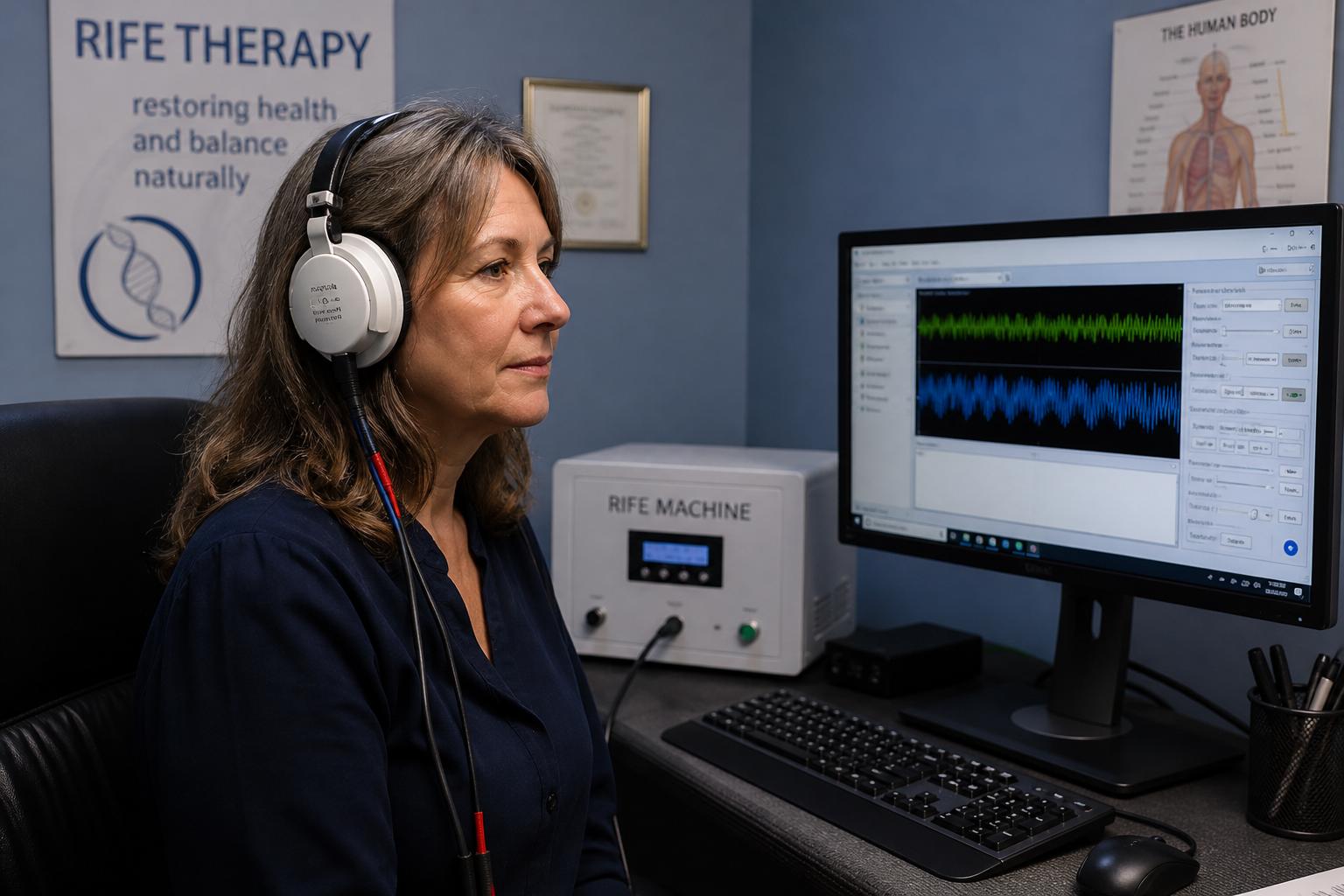
    A typical frequency session is gentle, relaxing, and fully clothed. You sit comfortably while holding conductive brass or carbon cylinders, resting your bare feet on conductive footplates, or relaxing near a plasma tube. To understand preparation, session duration, and device options, see what to expect during frequency therapy sessions.

    Local clinic sessions in Pretoria East or home setups commonly feature backup inverter systems to guarantee uninterrupted protocols during municipal load-shedding cycles. Hydration is an absolute requirement before and after every treatment, because water molecules serve as the primary conductors for electromagnetic current throughout soft tissue.

    Managing the Detoxification Reaction

    When millions of microbial cells break down simultaneously, they release metabolic waste into the bloodstream faster than organs can filter them. Known as the Jarisch-Herxheimer response, this temporary reaction can cause mild headaches, lethargy, or mild body aches. An experienced practitioner controls session lengths and introduces supportive drainage frequencies to keep detox symptoms minimal.

    To support cellular recovery and ease the elimination process, adopt these practical habits:

    • Drink two to three litres of filtered mineral water each day to flush the kidneys.
    • Use warm Epsom salt baths in the evening to draw acidic residues through the skin.
    • Allow adequate sleep directly following intense frequency applications.
    • Record daily energy patterns to help your practitioner calibrate future frequency sets.

    Precision Solutions With Rife Wave Solutions

    Getting reliable results from frequency therapy requires reliable equipment, accurate calibration, and informed guidance. Rife Wave Solutions provides high-performance frequency generators and accessories designed for long-term clinical and private use. Whether you operate a wellness studio in Gauteng or require a home-care system resilient to local power variations, explore our practical Rife therapy options to discover the right setup for your health goals. Reach out to the Rife Wave Solutions team to discuss your wellness priorities, review equipment specifications, or arrange a system demonstration.

    Frequently Asked Questions

    Is Rife therapy scientifically proven?

    Mainstream clinical regulators view frequency devices as experimental wellness tools rather than standard medical interventions. However, independent research in bioelectromagnetics demonstrates that electrical and electromagnetic fields interact directly with cell membranes, bacterial walls, and nerve signals to induce measurable physiological changes.

    How many sessions does it take to see results?

    Acute muscle pain or minor swelling can improve within two to four sessions. Deep-seated chronic challenges, such as chronic fatigue or stubborn tick-borne infections, typically require consistent weekly sessions over six to twelve weeks alongside proper nutrition and rest.

    Are frequency sessions painful?

    No. You might feel a gentle tingling sensation in your hands or feet from contact electrodes, or you may feel nothing at all during a plasma session. Most individuals find the experience calming and frequently fall asleep during their appointment.

    Can frequency therapy replace conventional medical care?

    No. Frequency therapy works best as a supportive, complementary modality. It should never replace primary medical consultations, emergency surgery, or prescribed treatments for acute medical emergencies. Pretoria clients obtain the strongest results by integrating frequency protocols alongside balanced nutrition, regular hydration, and professional medical advice.

  • Is Rife Therapy Safe? Frequency Care Facts for Pretoria Residents

    Is Rife Therapy Safe? Frequency Care Facts for Pretoria Residents

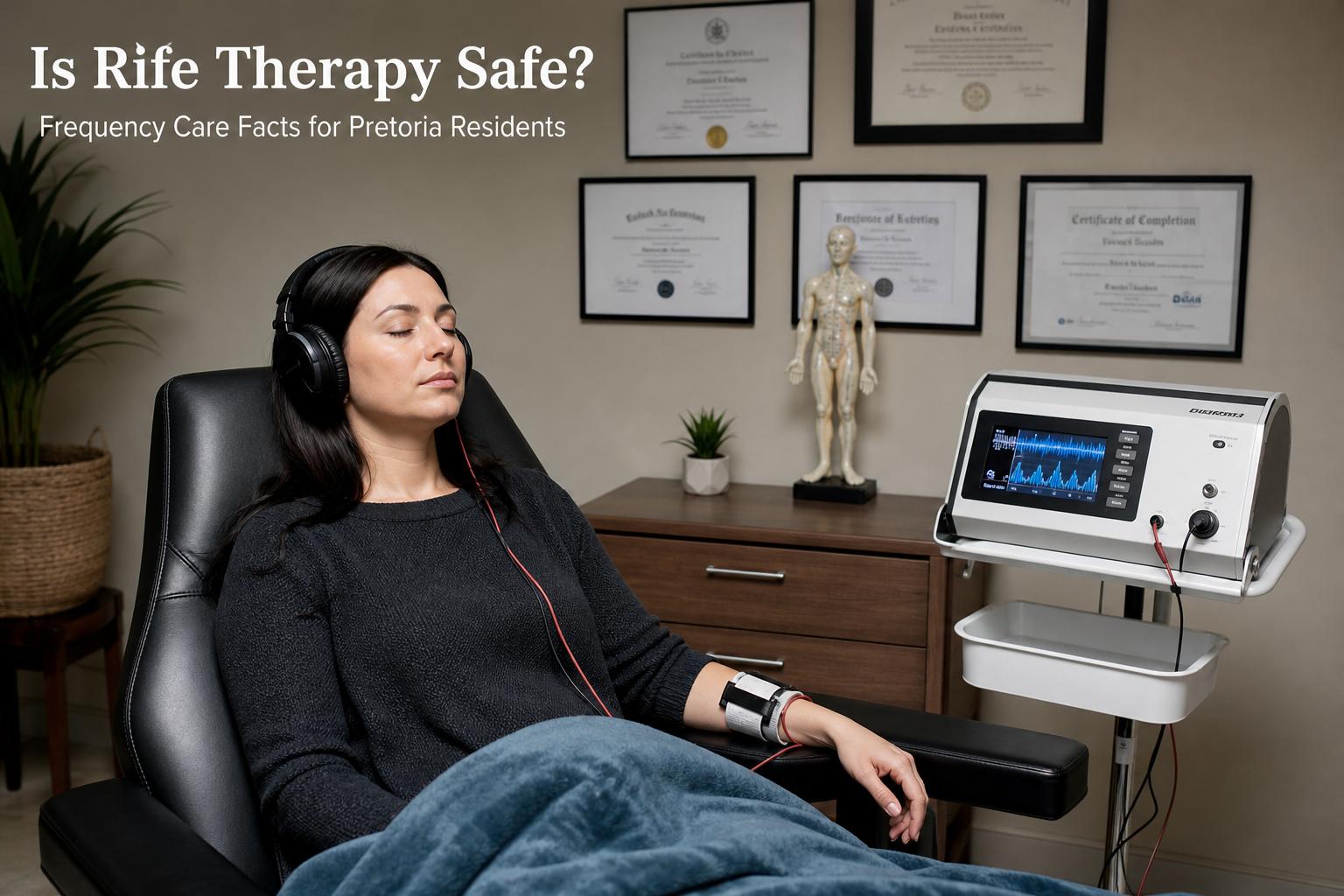
    Rife therapy is non-invasive and widely considered safe for the general public when administered by qualified practitioners using calibrated equipment. It works by delivering low-energy electromagnetic frequencies without surgical intervention, skin punctures, or synthetic pharmaceuticals. While most clients report feeling relaxed or energised during and after sessions, safety depends on individual health profiles, proper hydration, and adherence to verified equipment standards.

    Understanding Who Should Avoid Frequency Treatments

    While low-frequency wave applications carry minimal risk for the average adult, specific physiological conditions require caution. Reputable practitioners in Pretoria screen clients thoroughly before administering frequencies to prevent adverse interactions with medical implants or fragile biological systems.

    You should postpone or avoid treatment if you fall into any of the following categories:

    • Individuals with cardiac pacemakers, cochlear implants, or other electronic medical devices
    • Pregnant or breastfeeding women due to limited clinical data on developing infants
    • Recipients of major organ transplants who depend on daily immunosuppressant medication
    • Individuals dealing with severe heart arrhythmias or acute, unmanaged kidney failure

    Temporary Side Effects and the Herxheimer Reaction

    Frequency sessions do not cause cellular damage, but you may notice temporary physiological responses known as a Herxheimer reaction. When targeted micro-organisms break down rapidly, your lymphatic system and kidneys must process and excrete cellular debris, which can trigger short-lived detox symptoms.

    Recognising Detoxification Signals

    Understanding these temporary responses helps you prepare your body before scheduling an appointment. To learn more about standard session timelines, review what to expect during your frequency session.

    Common mild reactions that subside within 24 to 48 hours include:

    • Mild headaches or lightheaded sensations as fluids move through tissue
    • Short periods of fatigue and muscle heaviness
    • Heightened thirst while your kidneys eliminate metabolic waste
    • Slight skin flushing or low-grade perspiration

    Equipment Quality and Session Standards in Pretoria

    The safety and efficacy of electro-frequency care depend directly on wave stability, accurate frequency bands, and practitioner expertise. In Gauteng, where unexpected load-shedding and power surges can interrupt sensitive electronics, professional wellness clinics must maintain dedicated battery backups so frequency cycles conclude smoothly without sudden electrical cut-offs.

    To safeguard client well-being during every visit, reputable clinics follow clear operational standards:

    • Operating verified signal generators capable of stable hertz output
    • Using uninterrupted power supplies to protect equipment during Pretoria power interruptions
    • Adjusting cycle duration and intensity according to individual tolerance levels
    • Conducting detailed intake reviews before introducing plasma tubes or contact pads

    Clients seeking responsible wellness support can benefit from understanding wave applications and frequency output to see how specific frequency bands operate within biological parameters.

    Precision Solutions With Rife Wave Solutions

    At Rife Wave Solutions, client safety dictates our operational approach. We operate precision-calibrated frequency generators in a professional environment, serving clients across Pretoria and nearby communities. Whether you want to support recovery, counter persistent fatigue, or strengthen natural vitality, our team evaluates your background before recommending a programme.

    Review our range of targeted Rife therapy options to see how non-invasive frequency applications integrate with your current health routine, or get in touch with our Pretoria office to discuss your specific wellness goals.

    Frequently Asked Questions

    Can Rife therapy cause electric shocks or tissue burns?

    No. Standard frequency units run on very low microcurrents or non-contact plasma fields that cannot burn skin tissue or deliver dangerous shocks. Hand-held cylinders and footplates generate mild sensations such as gentle tingling or slight warmth.

    How much water should I drink before and after treatment?

    Drink between one and two litres of clean water before and after your appointment. High hydration levels ensure optimal electrical conductivity across cells and help your body flush metabolic debris quickly.

    Does Rife therapy interfere with prescription medicines?

    Low-level electromagnetic frequencies do not chemically neutralise common oral medications. However, because frequency sessions stimulate circulation and detoxification pathways, you should inform your practitioner of all current prescriptions prior to starting.

    Are frequency sessions suitable for elderly clients?

    Yes. Elderly clients frequently use frequency therapy to manage physical discomfort and support joint mobility. Practitioners generally select shorter session durations and lower intensities to ensure gentle, comfortable adaptation.

  • What Does Rife Therapy Treat: Practical Guide To Conditions And Frequency Applications

    What Does Rife Therapy Treat: Practical Guide To Conditions And Frequency Applications

    Rife therapy is used to target infectious pathogens, ease chronic pain, curb persistent inflammation, and assist the body in recovering from cellular fatigue. By delivering low-energy electromagnetic frequencies calibrated to match the natural vibrational signatures of microorganisms, frequency devices aim to disable bacteria, parasites, and fungi while supporting healthy cellular metabolism. Across Pretoria and Gauteng, many people incorporate frequency sessions alongside conventional care to support recovery from stubborn bacterial strains, viral lingering, joint discomfort, and autoimmune flare-ups.

    Primary Health Conditions Managed With Frequency Protocols

    People seeking natural and complementary wellness options turn to targeted Rife therapy sessions when standard routines leave lingering discomfort or slow recovery times. Frequency applications address systemic stress by encouraging lymphatic drainage and reducing the toxic load produced by sluggish cellular turnover.

    Frequent clinical and home applications in South Africa focus on several overlapping health categories:

    • Chronic microbial infections including tick-borne bacteria, candida overgrowth, and recurrent viral patterns
    • Musculoskeletal aches such as lower back tension, osteoarthritis, and joint stiffness aggravated by Highveld winter weather
    • Inflammatory disorders including fibromyalgia, tendonitis, and repetitive strain injuries
    • Autoimmune imbalances where calming chronic inflammatory signaling provides functional relief
    • General vitality issues such as post-viral exhaustion, slow sports recovery, and brain fog

    Chronic Fatigue And Fibromyalgia Support

    Persistent fatigue often stems from impaired cellular ATP production and ongoing viral or bacterial load. When mitochondria struggle, muscle tissues hold waste products, resulting in tenderness and deep exhaustion. Frequency sets designed for mitochondrial stimulation and cellular recharge assist the body in breaking this cycle, giving cells the energetic support required to process waste and sustain daily energy.

    Targeting Pathogens And Lingering Infections

    Royal Raymond Rife designed his original machines around the principle of mortal oscillatory rates, which suggests that specific frequencies can destabilize the outer membranes of target microbes without injuring human tissue. Learning understanding wave applications for wellness helps explain why precise frequency selection matters when targeting stubborn organisms.

    Practitioners frequently use frequency sets targeting common infectious agents that linger undetected in deeper tissues:

    • Borrelia and associated co-infections responsible for persistent joint and neurological discomfort
    • Epstein-Barr and cytomegalovirus patterns associated with prolonged post-illness fatigue
    • Gastrointestinal parasites and candida albicans that disturb nutrient absorption
    • Respiratory pathogens that aggravate Pretoria sinus issues during seasonal shifts and dry winters

    Detoxification And The Herxheimer Reaction

    When frequencies successfully break down target bacteria, the dead cellular material enters the bloodstream before elimination through the liver and kidneys. This rapid die-off can trigger temporary mild headaches, sweating, or nausea. Drinking clean filtered water and pacing sessions appropriately allows the lymphatic system to clear metabolic waste steadily without feeling overwhelmed.

    Pain Relief And Tissue Repair Applications

    Beyond microbial defense, frequency therapy serves as a powerful modality for pain management and soft tissue healing. Low frequencies applied through contact cylinders or plasma tubes enhance microcirculation, bringing fresh oxygen to oxygen-starved muscle tissue and flushing out lactic acid. To understand what happens during a practical visit, review how frequency protocols function during appointments before scheduling your first session.

    Frequency programs designed for tissue recovery assist with several everyday physical complaints:

    • Acute sprains, sports tears, and soft tissue bruising requiring accelerated cellular turnover
    • Cervical spine and shoulder tension developed from prolonged desk work and daily commuting stress
    • Chronic sciatic nerve irritation and degenerative disc pain
    • Post-operative scar tissue management and local swelling reduction

    Precision Solutions With Rife Wave Solutions

    Managing ongoing health challenges requires stable, dependable frequency equipment engineered to deliver precise outputs without drift. Rife Wave Solutions supplies South African clinics, practitioners, and home users in Pretoria and beyond with professional-grade wave generators designed to handle demanding daily protocols. With built-in battery support to counter regular load-shedding disruptions, these systems guarantee that scheduled treatments continue without unexpected pauses. Reach out to the technical team today via the contact page to discuss equipment options, device training, and frequency protocols matching your specific recovery goals.

    Frequently Asked Questions

    Can Rife therapy cure cancer?

    No. Modern frequency therapy is not an approved standalone cure for cancer. While historical records note Rife experimental work in the twentieth century, current devices in South Africa are utilised as complementary wellness and pain support tools, never as a replacement for oncology treatments, chemotherapy, or professional medical interventions.

    How many sessions does it take to notice results?

    Response times depend on whether the issue is acute or chronic. Simple muscle soreness or sinus congestion often shows improvement within two to three sessions. Deep-seated systemic issues like Lyme disease or fibromyalgia generally require sustained protocols over eight to twelve weeks alongside dietary support and adequate hydration.

    Is Rife therapy safe to use alongside prescription medication?

    Yes, non-invasive frequency applications do not introduce chemical substances into the body and generally do not interfere with standard prescription drugs. However, individuals with electrical implants such as pacemakers, pregnant women, and those prone to severe seizures must avoid frequency treatments unless cleared by their treating physician.

    What is the difference between plasma tube and contact pad delivery?

    Contact pads and handheld cylinders pass micro-currents directly through physical touch, focusing energy along specific conductive pathways between the contact points. Plasma tubes emit radiant electromagnetic fields that bathe the entire body without requiring direct skin attachment, allowing users to relax comfortably while absorbing the field.

  • What Is the Cheapest Way to Get Moving Boxes in Cape Town

    What Is the Cheapest Way to Get Moving Boxes in Cape Town

    The cheapest way to get moving boxes in Cape Town is to source once-used recycled cardboard cartons instead of buying brand-new retail packaging. While collecting discarded supermarket boxes costs zero rands up front, pre-owned industrial cartons strike the true balance between rock-bottom expense and physical reliability. Opting for clean second-hand commercial boxes cuts your packaging expenditure by up to half while preventing structural failure on moving day.

    Free Versus Budget Recycled Cartons

    Collecting discarded boxes from local businesses across the Peninsula will keep direct costs at zero, but free packaging brings distinct trade-offs in hygiene and strength. Knowing where to look helps you avoid weak containers that buckle under pressure.

    If you choose to scour your neighbourhood for free packing supplies, target these reliable local sources:

    • Independent liquor stores with reinforced, heavy-duty wine and spirit cartons
    • Corner grocers early on restocking mornings before commercial compactors crush the stock
    • Local community social media groups and suburb forums where recent movers give away packaging
    • Bookshops discarding thick, double-walled stock containers

    The Hidden Costs of Grocery Store Boxes

    Supermarket banana boxes and produce crates seem convenient, but they carry genuine drawbacks. Lingering food residue, grease spots, and moisture weaken the corrugated fibre and can attract pests into your possessions. In addition, irregular box dimensions make packing a bakkie or trailer awkward and unstable, creating shifting stacks that risk broken valuables during transit.

    Structural Strength Matters

    Relocating household goods requires boxes that withstand vertical stacking weight. Before spending hours driving around hunting for unwashed produce boxes, review the typical price of recycled moving boxes to see how economical clean, heavy-duty cardboard cartons are compared to retail alternatives.

    Smart Sourcing Across Cape Town Suburbs

    Collecting packing supplies locally prevents unnecessary fuel expenses and wasted hours in traffic. If you live around the Southern Suburbs or the False Bay corridor, buying recycled boxes in Plumstead provides a convenient collection point for clean, factory-grade cartons without travelling across the city.

    To get the most value out of your box collection runs, keep these practical packing rules in mind:

    • Pack heavy items like books and canned goods into small cartons so they remain manageable to lift
    • Distribute fragile crockery and glassware into uniform medium boxes with paper cushioning
    • Reserve oversized cartons strictly for lightweight bedding, cushions, and winter coats

    Saving Money by Bundling Move Supplies

    Purchasing individual boxes on an ad-hoc basis quickly drives up travel time and per-item costs. Grouping your packaging requirements into a single package gives you matching dimensions, making truck loading significantly faster and safer.

    Bundling your move essentials offers several practical cost advantages:

    • Lower per-box rates compared to purchasing loose cartons individually
    • Matched standard dimensions that pack securely without wasting vehicle volume
    • Included rolls of strong packing tape and protective wrap in one single order

    Choosing curated budget-friendly moving kits gives you the exact carton volume your household needs while holding your total move spend to an absolute minimum.

    Moving Boxes From Recycled Cardboard Boxes

    Recycled Cardboard Boxes supplies Cape Town movers with clean, durable, once-used corrugated packaging at a fraction of standard retail prices. Whether you are clearing out a studio in Sea Point, an office in Century City, or a family home in Durbanville, our cartons deliver reliable protection without the new-cardboard price tag. Click the button below to place an order directly through our website to secure your supplies before your moving date.

    FAQs

    Where can I get free cardboard boxes in Cape Town?

    Small bottle shops, print shops, and neighbourhood social media exchange groups regularly give away clean surplus cartons. Always confirm boxes are dry and free of organic residues before loading your clothes and bedding inside.

    Why are recycled moving boxes so much cheaper than new ones?

    Recycled cartons are rescued directly from commercial distribution lines after only a single journey. Because no new timber pulp or factory production run is required, suppliers provide them at substantial discounts compared to new boxes.

    How many moving boxes are needed for a two-bedroom flat?

    A standard two-bedroom Cape Town apartment generally requires between thirty and forty-five boxes, consisting of a practical mix of small, medium, and large sizes. Uniform carton sizes make stacking in your vehicle faster and far more secure.

    What should I do with my boxes after moving?

    Flatten your cartons carefully by cutting the tape rather than tearing the cardboard flaps. You can pass them on to other movers in your suburb, offer them back to recycled box outlets, or drop them at an area recycling depot.

  • Can You Sell Back, Return, or Donate Used Moving Boxes in Cape Town?

    Can You Sell Back, Return, or Donate Used Moving Boxes in Cape Town?

    Yes, you can sell back, return, or donate used moving boxes in Cape Town, provided the boxes are clean, dry, and structurally sound. While standard national retail chains rarely accept returns on used packaging, dedicated carton suppliers, neighbourhood drop-off centres, animal shelters, and informal resale networks across the Western Cape actively take good-condition cartons off your hands.

    Donating Used Moving Boxes Across Cape Town

    Donation remains the fastest way to clear out your garage or living room after moving house. Many non-profit groups and social enterprises across the Peninsula rely on donated cardboard packaging to pack relief parcels, manage charity shop stock, or generate income through green recycling hubs.

    Several charitable organisations and community platforms across the city welcome clean cardboard boxes:

    • The Oasis Association in Claremont, which accepts clean cardboard to support their employment programmes for adults with intellectual disabilities
    • Animal welfare shelters such as the SPCA in Grassy Park and TEARS in Sunnydale, which utilise clean boxes for supply storage and bedding
    • Community freecycle platforms, local Facebook exchange boards, and neighbourhood security WhatsApp groups from the City Bowl to the Southern Suburbs
    • Local primary schools and community crèches seeking sturdy cardboard for art projects and classroom organisation

    Selling Back Your Pre-Owned Boxes

    If you want to recoup part of your relocation budget, selling your boxes locally is practical and popular. Many people moving on a tight budget prefer buying pre-loved packaging rather than paying premium retail prices. When comparing expenses against the price of recycled moving boxes in Cape Town, second-hand packs listed on peer-to-peer marketplaces sell rapidly if bundled neatly.

    Selling via Peer-to-Peer Marketplaces

    Listing your surplus cartons on Gumtree or Facebook Marketplace works best when you group different sizes together. Home movers often search for bundled lots consisting of standard book boxes, medium cartons, and large linen boxes rather than single units.

    Returning Cartons to Specialised Suppliers

    Select packaging dealers accept bulk buybacks or credit returns if the cartons remain rigid and reusable. Double-walled corrugated boxes hold the highest trade-in appeal because they withstand multiple handling rounds without buckling under heavy weight.

    How to Prepare Boxes for Resale or Drop-Off

    Whether you plan to donate your boxes to charity or trade them privately, presentation dictates whether a recipient will accept them. Nobody wants crushed, damp, or dirty cardboard that collapses under slight pressure.

    Take these practical steps to ready your cartons for their next owner:

    • Slice packing tape open gently with a utility knife instead of ripping it, which preserves the structural paper face underneath
    • Flatten every carton neatly along its original factory creases to save storage space and simplify transport in your boot
    • Discard any units damaged by food spills, cleaning chemical leaks, or damp winter conditions
    • Bundle similar dimensions together using twine or salvageable strapping tape for easier counting and handling

    Where to Drop Off Damaged Boxes for Recycling

    Boxes that endured severe transit damage or got soaked during seasonal rainstorms should skip reuse and go straight to dedicated recycling streams. Cape Town operates numerous municipal and private drop-off sites equipped to process bulk paper and cardboard.

    You can drop non-reusable cardboard at the following regional drop-off facilities:

    • City of Cape Town municipal drop-off sites, including facilities in Woodstock, Wynberg, and Bellville
    • Community paper collection banks managed by schools and community churches
    • Private waste drop-offs and depot recyclers servicing major industrial corridors across the city

    Recycled Cardboard Boxes For Moving

    Recycled Cardboard Boxes makes sustainable packaging straightforward across the Mother City. We supply high-grade, pre-owned cartons that perform just like brand-new packaging at a fraction of the cost. If you are preparing for an upcoming move or restocking your commercial packing line, check our complete all-in-one moving kits to get every box and accessory you need in one delivery. If you are based in the Southern Suburbs, you can also learn about buying recycled moving boxes in Plumstead for quick local collection. Give your packaging a productive second life and keep valuable materials out of local landfills. Click the button below to get your moving boxes.

    FAQs

    Do major Cape Town retail stores buy back empty moving boxes?

    No, major commercial hardware stores and storage franchises do not offer buyback or return options on used boxes once the original seal is broken. To trade or donate, you will need to rely on independent box dealers, peer-to-peer online listings, or non-profit drop-off centres.

    What types of used boxes have the highest resale value?

    Heavy-duty, double-walled boxes made from fluted corrugated card fetch the best resale interest. Specialist wardrobe boxes with metal hanger bars, television cartons, and standard document archive boxes remain in regular demand throughout the year.

    Can I leave clean moving boxes on the pavement for recycling collectors?

    Yes, neat bundles of dry cardboard placed alongside your municipal wheelie bin on collection morning are routinely gathered by informal reclaimers. Keep the boxes dry and flatten them flat so reclaimers can load them easily onto their trolleys.

    Are damp or taped boxes accepted for drop-off donations?

    Charities and shelters generally decline wet, mouldy, or severely taped cardboard because it cannot bear weight safely. Cut tape away cleanly and ensure all packaging stays entirely dry before attempting to donate or sell it.

  • When to Order Moving Boxes Before a Move in Cape Town

    When to Order Moving Boxes Before a Move in Cape Town

    You should order moving boxes between three to four weeks before your moving date in Cape Town. Placing your order a month in advance gives you ample time to sort through your possessions, pack room by room, and avoid the panic of last-minute supply shortages during the frantic month-end moving rush.

    The Ideal Timeline for Ordering Moving Boxes in Cape Town

    Securing your packing supplies early transforms what is typically a chaotic chore into a steady, manageable project. In the Western Cape, property transfers and rental leases overwhelmingly turn over on the final weekend of the month, creating intense demand for both removalists and packaging materials. Ordering three to four weeks ahead guarantees that your materials arrive before delivery schedules fill up and allows you to pack non-essential items well ahead of moving day.

    A sensible timeline keeps your household functional while making steady progress. Organizing your schedule across four dedicated weeks prevents unnecessary stress:

    • Four weeks out: Audit every room, declutter cupboards, and purchase your packing supplies to secure standard sizes.
    • Three weeks out: Pack seasonal clothing, guest bedrooms, formal dinnerware, and infrequently read books.
    • Two weeks out: Pack decorative pieces, artwork, home offices, and secondary living areas.
    • One week out: Pack everyday kitchenware, leaving only a single set of cutlery, plates, and immediate essentials for the final night.

    Why Local Cape Town Factors Impact Your Order Timing

    Cape Town has distinct logistical patterns that make advance planning essential. From lease turnover spikes to infrastructure issues, leaving your box purchase to the week of your move frequently leads to avoidable complications.

    Seasonal Surges and Month-End Volume

    Between November and February, the local property market experiences a massive seasonal influx. University students arrive across Rondebosch and Observatory, seasonal workers relocate, and families take advantage of the long summer school holidays to shift homes. During these peak periods, packaging suppliers and couriers operate at maximum capacity. Waiting until the final week before month-end often means dealing with stock shortages or delivery delays across the Peninsula.

    Weather and Transit Realities

    Whether dealing with winter downpours that slow traffic on the M3 and N2, fierce southeaster winds that whip through the City Bowl, or unexpected traffic light outages during municipal maintenance, local deliveries can take longer than expected. Having your boxes already stacked inside your home shields you from delivery disruptions on moving week.

    Factoring local timing conditions into your preparation avoids common pitfalls:

    • Month-end delivery congestion: Courier routes across the Atlantic Seaboard and Southern Suburbs fill up rapidly during the final five days of any calendar month.
    • Seasonal student moves: Demand for medium and small cartons spikes sharply in late January and early February across the Southern Suburbs.
    • Storage and staging: Having boxes on site early lets you stack packed items systematically without blocking main walkways or living spaces.

    How to Estimate What You Need Before You Order

    Accurately assessing your volume prevents mid-pack supply runs. Most homeowners underestimate their box count by at least twenty percent because cupboards, garages, and kitchen pantries conceal substantial volume. Reviewing the current price of recycled moving boxes helps you calculate an accurate budget for your property size before purchasing.

    Rather than guessing individual box counts, many movers find it simpler to select pre-configured room-specific moving box kits that bundle standard cartons, heavy-duty boxes, tape, and protective wrap based on property size. Using dedicated kits ensures you have the correct balance of box types for both heavy items and light, bulky goods.

    Evaluate these key areas to get your quantities right on the first attempt:

    • Kitchen contents: Kitchens require the largest proportion of sturdy, double-walled boxes and bubble wrap for crockery, glassware, and small appliances.
    • Book collections and paperwork: Heavy paper goods must go into small, rigid cartons to ensure boxes remain light enough to carry without splitting.
    • Linen and bedding: Bulky duvets, pillows, and winter coats require large, single-walled cartons that maximize volume without adding dead weight.
    • Fragile wall hangings: Mirrors, framed prints, and artwork demand shallow picture boxes or flat cardboard sheets to prevent transit damage.

    Local Availability Across Cape Town Suburbs

    Sourcing your packaging close to home reduces delivery lead times and transport costs. If you reside around the Southern Suburbs, finding recycled moving boxes in Plumstead offers a fast, practical option for prompt collection or localized delivery. Sourcing sturdy, pre-used cartons locally not only keeps your relocation costs sensible but also diverts clean cardboard away from regional landfills.

    Moving Boxes From Recycled Cardboard Boxes

    Recycled Cardboard Boxes provides durable, eco-friendly packing supplies directly to residents throughout Cape Town. By supplying once-used cartons in clean condition, we ensure you receive professional-grade strength at a fraction of the cost of virgin board. From individual carton sizes to complete flat and house kits, our stock helps you prepare your move on time and on budget. Reach out by clicking the button below to secure your supplies before your next move.

    FAQs

    Can I order moving boxes just a few days before my move?

    While express dispatch is sometimes possible, ordering just days ahead leaves no margin for delivery delays or out-of-stock carton sizes, particularly at month-end. You also face the exhausting prospect of packing your entire home in forty-eight hours.

    How many boxes does an average two-bedroom Cape Town flat require?

    A standard two-bedroom apartment typically requires between thirty and forty-five boxes. This collection should consist of a mix of small boxes for books and pantry goods, medium boxes for kitchenware and decor, and large boxes for bedding and clothes.

    Are recycled cardboard boxes strong enough for heavy household items?

    Yes. High-grade recycled cartons are originally manufactured to transport heavy commercial goods. Double-walled corrugated boxes provide exceptional rigidity and stacking strength, making them well suited for books, kitchen appliances, and delicate glassware.

    What should I do with my cartons once I finish unpacking?

    Keep intact boxes flat and dry in a garage or cupboard for future moves, pass them along to neighbors via local community groups, or send them to a local recycling depot to keep them out of landfill.

  • Can You Rent or Demo a Plastic Welding Machine in Johannesburg Before Buying?

    Can You Rent or Demo a Plastic Welding Machine in Johannesburg Before Buying?

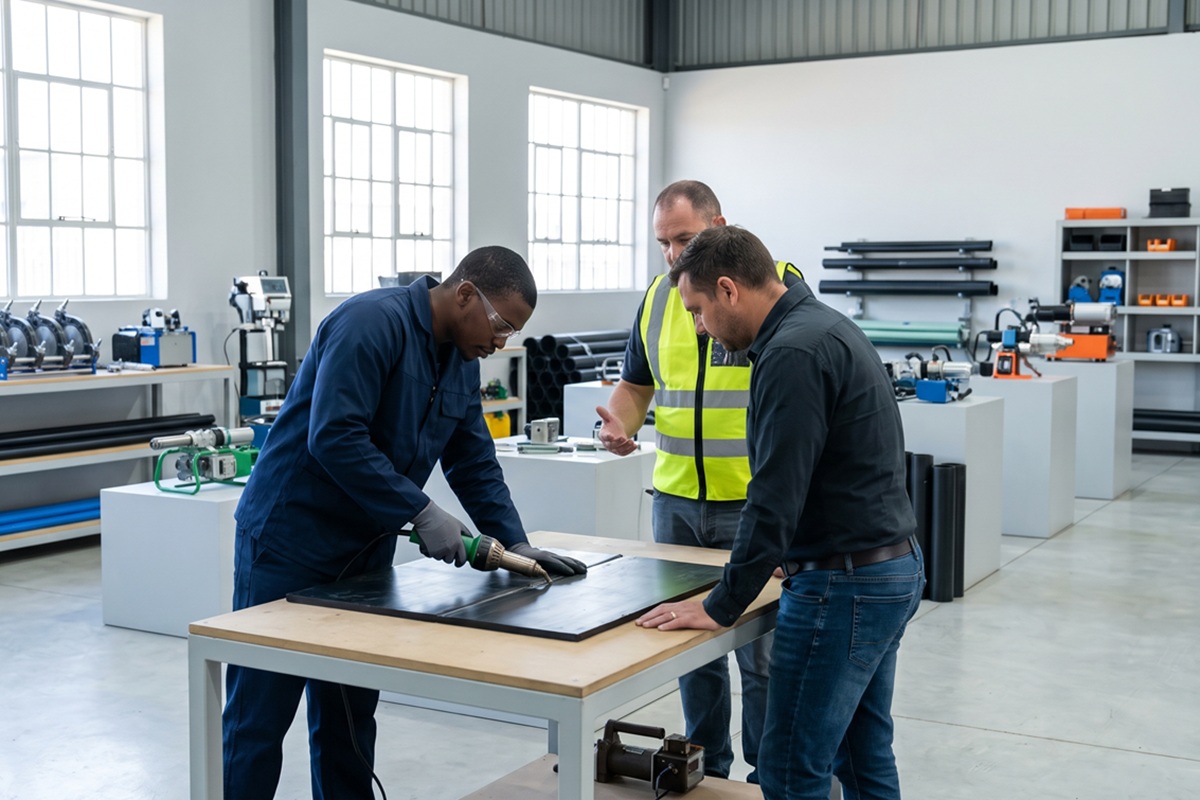
    Yes, you can rent and demo industrial plastic welding equipment in Johannesburg before committing capital to a purchase. Leading local suppliers and equipment specialists like Plastek allow contractors, geomembrane installers, and fabrication workshops to test extrusion welders, hot air guns, and wedge welders on site or in a dedicated showroom. Testing equipment beforehand confirms that heat profiles match your specific thermoplastic materials, validates generator compatibility during load-shedding, and verifies operator comfort before you invest.

    Why Arranging a Demonstration in Gauteng Protects Your Bottom Line

    Industrial thermoplastic fabrication demands extreme precision, whether you are lining water reservoirs on the East Rand or building chemical storage tanks in Chamdor. Evaluating equipment in person proves whether a tool can maintain precise digital temperature readouts under harsh South African field conditions. Understanding why Swiss-made plastic welding tools outperform standard heating tools gives your team a clear benchmark for thermal stability and build durability.

    A practical demo on your own job site or at a local supplier facility delivers several immediate operational advantages:

    • Direct confirmation of melt flow rates and preheat air volume on specific sheet gauges
    • Verification that heating elements remain stable when powered by site generators
    • Immediate assessment of ergonomic balance, weight distribution, and nozzle accessibility
    • Proof that weld seams pass field spark and peel testing without thermal degradation

    Renting Versus Buying Plastic Welding Tools for Short-Term Contracts

    Purchasing capital equipment does not always make financial sense for one-off civil jobs, maintenance shutdowns, or urgent tank repairs. Tool hire bridges the gap, giving you access to premium industrial systems without tying up working capital. Contractors frequently source heavy-duty BAK plastic welding tools Johannesburg contractors trust to handle demanding liner installations and structural polypropylene work.

    When Equipment Rental Makes Commercial Sense

    Hiring welding machinery fits distinct operational scenarios across Gauteng. Short civil subcontracts often require specialised extrusion output that existing workshop kits cannot supply. Renting also keeps production moving when your primary machines undergo annual calibration, service, or motor maintenance.

    Before signing an equipment rental agreement, check these vital operational factors:

    • Verification of recent electrical safety certification and ceramic element testing
    • Availability of matching Teflon welding shoes suited to your target joint geometry
    • Clear daily, weekly, or monthly rates with transparent deposit and return terms
    • Local availability of standby units should site conditions cause electrical damage

    Critical Features to Test During an Equipment Demonstration

    Never run a demonstration simply by turning the machine on in an air-conditioned office. Test the equipment on the actual polymers you weld daily, such as HDPE, PP-H, PVDF, or PVC. Knowing the essential features to look for in hot air plastic welding tools ensures that your operators inspect the components that matter most under heavy duty cycles.

    Highveld Environmental Factors and Power Demands

    Johannesburg sits at roughly 1,750 metres above sea level. Thinner Highveld air directly affects forced-air cooling, heating element recovery times, and blower motor efficiency. In addition, unconditioned power from portable diesel generators can produce voltage spikes that ruin budget control boards.

    Focus your practical demonstration checks on the following technical indicators:

    • Independent closed-loop temperature control for both extrudate and preheat air
    • Cold-start motor protection that prevents cold screw starts and drive motor burnouts
    • Air filter accessibility to stop dust and fine grit from clogging high-speed blowers
    • Stable thermal output during simulated voltage fluctuations from backup generators

    Plastic Welding With Plastek

    Plastek provides Johannesburg fabricators and lining specialists with high-performance BAK plastic welding machinery, backed by technical expertise, service support, and spare parts. Whether you require a hands-on equipment demo to evaluate extrusion output or need temporary rental machinery to complete an urgent industrial contract, our team provides practical guidance tailored to your materials. Reach out by clicking the button below to schedule your demonstration or request rental machine availability.

    FAQs

    Can I test my own scrap material during a machine demonstration?

    Yes. Bringing your own production offcuts, whether thick HDPE geomembrane or rigid polypropylene sheet, is recommended. Testing your exact polymer grade confirms optimal welding rod feed, preheat zone plasticising, and speed settings before purchasing.

    What power supply do I need to run a demo welding machine?

    Most hand-held hot air blowers run on a standard 230V single-phase electrical supply. Hand extruders and automatic wedge welders also run on 230V, but require adequate amperage and pure sine wave generator power if operating off-grid on site.Are rental plastic welding machines calibrated before dispatch?

    Reputable suppliers inspect, clean, and electrically test rental units prior to release. Heating elements, drive motors, and thermocouple readings are checked to verify that the machine welds within factory temperature tolerances.

    Does rental cost offset the purchase price if I decide to buy?

    Many suppliers offer rent-to-buy options or will credit a portion of your short-term hire fee toward the purchase price of a new unit. Inquire about demo-to-purchase credits before taking delivery of the hire machine.