Author: Brad

  • Are Exclusive Leads Better Than Bought or Shared Leads for Cape Town Businesses?

    Are Exclusive Leads Better Than Bought or Shared Leads for Cape Town Businesses?

    Yes, exclusive leads consistently outperform bought or shared leads for Cape Town businesses because you avoid an aggressive price race against five local competitors. When a homeowner in Rondebosch or a facility manager in Montague Gardens submits an inquiry through a shared broker, that contact gets broadcast to half a dozen contractors simultaneously. Exclusive inquiries route straight to your business alone, allowing you to establish immediate authority, protect your profit margins, and secure contracts before competitors even discover the opportunity.

    The Hidden Costs of Shared and Bought Lead Lists in the Western Cape

    Buying cold contact spreadsheets or shared portal inquiries appears economical on paper, yet it usually leads to wasted sales effort and frustration. When multiple operators phone the same prospective client within fifteen minutes, the customer quickly becomes irritated and defensive. Many companies discover this reality when evaluating whether lead providers justify their cost after spending thousands of rands on contacts that never answer the phone.

    Shared directories also attract price shoppers who care only about securing the lowest possible quote. This forces local trade, professional, and commercial service providers into margin compression just to stay in contention. Bought contact lists suffer from outdated details, unverified contact numbers, and gatekeepers who block unsolicited sales calls.

    Bought and shared customer lists carry distinct drawbacks that damage your sales pipeline:

    • Prospect fatigue occurs immediately as multiple contractors bombard the same customer with calls and WhatsApp messages.
    • Conversion rates plummet below five percent, forcing your sales staff to spend hours chasing unviable contacts.
    • Profit margins shrink because shared prospects almost always choose the cheapest quotation on their desk.
    • Brand equity suffers when prospects perceive your company as just another generic bidder on an open tender board.

    Why Exclusive Leads Deliver Superior Return on Investment

    Exclusive leads deliver substantially higher conversion rates because the prospect actively requested assistance from your company. This fundamental difference transforms the initial phone call from an awkward sales pitch into a helpful consultation. Businesses that invest in dedicated local lead generation services capture prospects who already understand their value proposition and want to discuss timelines and technical solutions.

    Closing Deals Without Competing on Low Margins

    When you hold sole access to an inquiry, you control the conversation. You can ask detailed diagnostic questions, explain your warranties, and recommend premium materials suited to Cape Town conditions, such as coastal rust inhibitors or solar inverter setups designed around erratic grid supply. Customers pay full rate when they feel understood and trust your operational competence.

    Exclusive inquiries create immediate advantages across every stage of your sales cycle:

    • Higher conversion percentages mean your team spends less time dialling dead numbers and more time closing profitable work.
    • Uncontested sales interactions allow your estimators to price jobs for sustainable business margins rather than desperate discounts.
    • Direct brand recognition ensures the customer remembers your company when future maintenance or referral opportunities arise.
    • Clearer communication enables prompt site visits across the peninsula without worrying that a rival contractor arrived an hour earlier.

    How Cape Town Market Conditions Impact Lead Conversion

    The Cape Town market operates under distinct geographical and operational conditions that penalise shared lead tactics. Service territories extend from the Atlantic Seaboard and City Bowl up to Durbanville, Bloubergstrand, and Somerset West. If your technicians are stuck in outbound traffic along the N1 or N2, a competitor located five minutes away from the client will reach the address first on a shared lead broadcast.

    Adapting Customer Acquisition to Local Regions

    Local businesses achieve far greater success when targeting customers by precise catchment zones. Understanding marketing strategies for regional service businesses helps companies capture demand right where their work crews already operate. This geographic relevance eliminates wasted travel expenses and keeps operational overheads manageable through changing economic cycles.

    Converting inbound requests across the Western Cape requires practical operational adjustments:

    • Rapid initial contact via phone or automated messaging within five minutes of an inquiry keeps intent high.
    • Clear territorial targeting prevents field technicians from wasting productive hours traversing congested regional arterial routes.
    • Seasonal planning prepares your pipeline for mid-year winter rainfall shifts and end-of-year holiday commercial shutdown periods.
    • Alternative communication channels such as direct WhatsApp routing maintain prospect contact during regional load-shedding intervals.

    Lead Generation With BRBD

    Relying on recycled directory leads leaves your revenue pipeline unpredictable and vulnerable to price undercutters. BRBD builds dedicated customer acquisition systems that generate exclusive, verified inquiries directly for your company. Learn how client acquisition workflows function with BRBD to see how our targeted approach generates sustainable business volume. Complete the form below to get started.

    FAQs

    Why are shared leads so much cheaper to purchase upfront?

    Shared lead platforms sell the exact same contact details to four, six, or even eight competing service providers at once. The aggregator makes multiple profits on a single entry, which allows them to discount the individual purchase price while shifting the conversion risk onto you.

    How fast do you need to contact a shared lead to stand a chance?

    Data indicates that calling a shared prospect after five minutes drops your conversion odds by over eighty percent. In a shared setup, the first contractor who connects by phone usually books the site inspection, leaving everyone else holding worthless contact data.

    Do exclusive leads work for both B2B and consumer trade services?

    Yes. Exclusive client acquisition methods work exceptionally well for commercial services like commercial solar, security installations, and logistics, as well as high-ticket residential services such as home renovations, roofing, and legal consultations.

    How can Cape Town companies verify if a lead provider is truly exclusive?

    Ask the provider whether inquiries originate through branded digital assets built specifically for your business or through a public directory portal. If inquiries come from an open directory or shared web form, those leads are almost certainly distributed to competing vendors.
  • Where First-Time Visitors Should Stay in Cape Town

    Where First-Time Visitors Should Stay in Cape Town

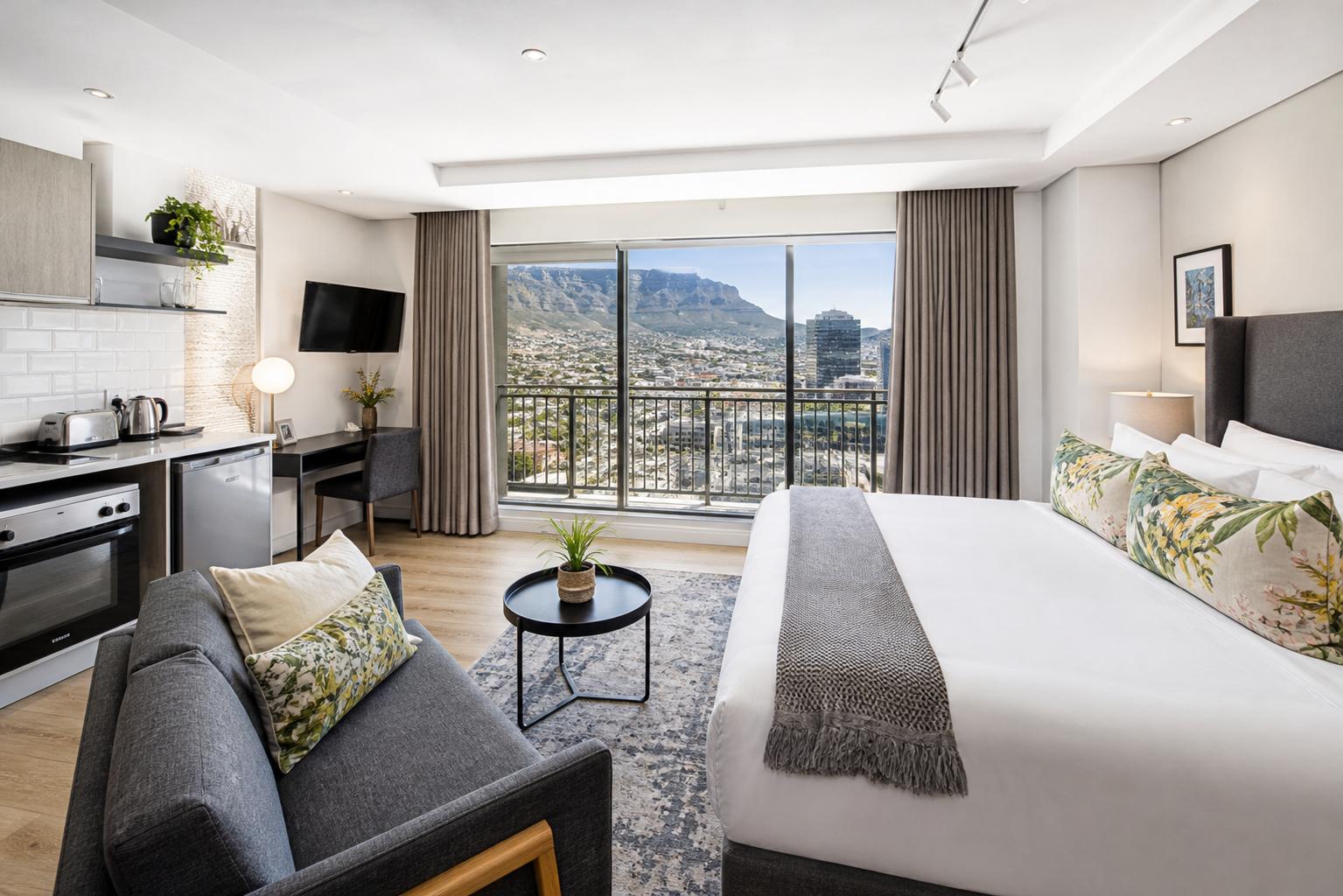
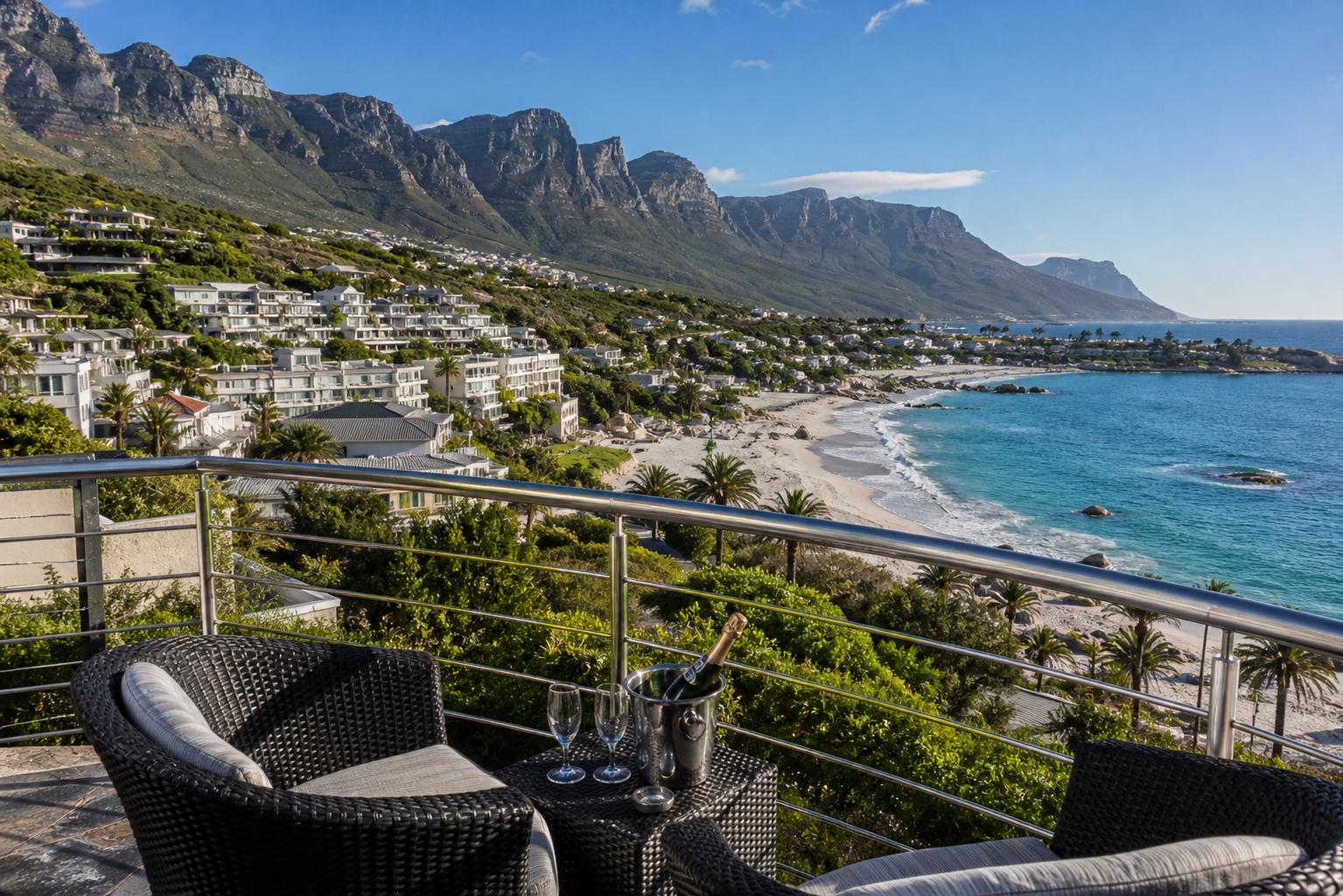
    First-time visitors to Cape Town should stay along the Atlantic Seaboard, specifically in Sea Point, Camps Bay, or Green Point, or at the Victoria and Alfred Waterfront. These areas provide the strongest security, unmatched ocean and mountain scenery, excellent walkability, and effortless access to major attractions like Table Mountain, Robben Island ferries, and the city beaches. Staying in these central spots keeps travel times short and simplifies getting around via Uber or walking.

    Choosing the right base shapes your entire trip, especially when factoring in local weather patterns like the summer south-easter wind, evening safety, and daily traffic. Evaluating your accommodation options requires balancing scenic beauty with practical day-to-day amenities:

    • Proximity to reliable transport routes and short Uber wait times
    • Walkable access to grocery stores, cafes, and bakeries
    • Shelter from high summer winds, especially along coastal strips
    • Backup power systems such as solar or inverters to handle local electricity outages

    The Atlantic Seaboard: Ocean Views and Coastal Living

    The Atlantic Seaboard is the gold standard for travellers arriving in the Mother City for the first time. Extending from Green Point along the coastline through to Hout Bay, this strip features striking ocean sunsets against the Twelve Apostles mountain range. For accommodation with uninterrupted sea views, review our holiday rentals in Cape Town to secure a beachside base.

    Camps Bay and Clifton

    Camps Bay caters to visitors wanting white sand beaches, palm trees, and an energetic strip of sunset cocktail bars and seafood restaurants. Clifton, situated just north of Camps Bay, offers four sheltered coves protected from the Cape Doctor wind, making it ideal for pure beach relaxation. Keep in mind that Camps Bay sits over the mountain pass from the city centre, meaning traffic can build up during the December and January holiday peak.

    Sea Point and Green Point

    Sea Point and Green Point offer an ideal balance between seaside holiday living and urban convenience. The paved Sea Point Promenade stretches for kilometres along the coast, drawing walkers, joggers, and sunset watchers every afternoon. Regent Road and Kloof Road are packed with independent coffee shops, authentic delis, and global restaurants, making it easy to step outside and explore on foot. First-time visitors favour Sea Point and Green Point for several distinct advantages:

    • Flat, walkable streets with pedestrian activity well into the evening
    • Instant access to Green Point Urban Park and the DHL Stadium
    • Central positioning between the Atlantic beaches and the city centre
    • Abundant self-catering apartments featuring modern amenities and ocean-facing balconies

    V&A Waterfront: Maximum Convenience and Top Security

    The Victoria and Alfred Waterfront is the most visited tourist precinct in South Africa, offering a clean, heavily secured environment centered on a historic working harbour. If you prefer to avoid hiring a car and want guided tour departures directly at your doorstep, this area is difficult to beat. Ferries to Robben Island depart from the Nelson Mandela Gateway, while charter boats, scenic helicopter tours, and open-top sightseeing buses all run directly from the main marina.

    Accommodation here sits inside access-controlled marina estates and modern residential developments. While dining and shopping around the wharf tend to carry tourist-focused pricing, the convenience of walking to high-end restaurants, cinema halls, and the Zeitz Museum of Contemporary Art Africa makes it a stress-free option for families and solo travellers alike.

    City Bowl and Tamboerskloof: Heritage, Culture, and Dining

    Nestled beneath the amphitheatre of Table Mountain, Lion Head, and Signal Hill, the City Bowl suits visitors who want a cultural stay with quick access to the city culinary core. Tamboerskloof, Gardens, and Oranjezicht are leafy, historic suburbs set on the slopes above downtown Cape Town. Kloof Street serves as the main artery here, packed with neighbourhood wine bars, art galleries, and acclaimed bistros.

    Staying in the City Bowl provides swift access to the Table Mountain Aerial Cableway and the Kirstenbosch National Botanical Garden. It can get windy in midsummer, but the mountain views and neighbourhood warmth make it an appealing alternative to the busier coastal strips.

    Planning Your Stay: Transport and Logistics

    Cape Town is simple to explore when you understand the local logistics. Uber is plentiful, cost-effective, and the standard method of transport for tourists across the central suburbs. Renting a car is best reserved for day trips to the Cape Point Nature Reserve or the Cape Winelands, rather than everyday travel within the city. First-timers can maximise their safety and comfort by following a few practical rules:

    • Use app-based rides like Uber after dark instead of walking between neighbourhoods
    • Select properties that provide dedicated, secure off-street parking if you rent a vehicle
    • Confirm ahead of time whether your building features battery inverters or generators
    • Book popular restaurant reservations several weeks in advance during summer months

    Precision Solutions With Cape Town Holiday Apartments

    Finding the ideal apartment means matching your personal travel style to the right neighbourhood layout. Cape Town Holiday Apartments provides fully managed self-catering homes, seaside penthouses, and modern flats across Camps Bay, Sea Point, Green Point, and the Waterfront. Each property is maintained to exacting standards, offering dedicated check-in support, secure parking, and reliable power backup. Click the button below to select the ideal base for your first trip to South Africa.

    FAQs

    Is Sea Point or Camps Bay better for a first trip to Cape Town?

    Sea Point is generally better for visitors who value walkability, abundant local restaurants, grocery shopping, and central access. Camps Bay is preferable if your priority is lying on a sandy beach, enjoying sunset views, and staying in a luxury villa.

    Do I need to hire a car when visiting Cape Town for the first time?

    No, you do not need a rental car if you stay in Sea Point, Green Point, Camps Bay, or the V&A Waterfront. Uber is affordable, quick to arrive, and eliminates the hassle of navigating one-way streets and finding parking.

    Which area of Cape Town is the safest for tourists?

    The V&A Waterfront features the tightest 24-hour private security footprint in the city. The Atlantic Seaboard neighbourhoods of Sea Point, Green Point, and Camps Bay are also well-patrolled, active, and widely considered the safest suburbs for international visitors.

    What is the best month for a first-time holiday in Cape Town?

    November, February, and March offer warm, sunny weather with smaller crowds and lighter winds than the peak festive season of late December and January. Autumn months like April also bring calm, clear days perfect for hiking Table Mountain.

  • What Is the Best Area to Stay in Cape Town for a Holiday Rental?

    What Is the Best Area to Stay in Cape Town for a Holiday Rental?

    Camps Bay and Sea Point along the Atlantic Seaboard offer the best overall experience for a Cape Town holiday rental, blending ocean vistas, walkable restaurants, and reliable safety patrols. If you want white sand beaches and luxury sunset villas, Camps Bay is the premier choice. For urban coastal living, flatter walking routes along the promenade, and sheltered spots when the seasonal wind picks up, Sea Point stands out as the practical favourite. Travellers seeking secure private moorings and quick access to city cultural highlights can look to the V&A Waterfront and Tamboerskloof.

    Atlantic Seaboard: Premier Coastal Living

    The Atlantic Seaboard stretches from the edge of the city harbour around the Twelve Apostles mountain peaks. It represents the gold standard for holidaymakers who prioritise scenic ocean views, beach days, and vibrant cafe strips. Each suburb along this coastal strip features a distinct character suited to different types of holidays.

    Camps Bay and Clifton for Beachfront Luxury

    Camps Bay attracts visitors wanting front-row seats to the Atlantic Ocean. The palm-lined Victoria Road strip is packed with seafood bars and cocktail spots, sitting directly opposite wide stretches of sand. Just around the corner, Clifton offers four distinct cove beaches sheltered from the notorious summer winds. Properties here command premium rates, offering private plunge pools and uninterrupted sunset views over the water.

    Sea Point and Green Point for Walkability

    If you prefer an urban seaside base where you can walk to artisan bakeries, organic grocers, and neighbourhood bistros, Sea Point and neighbouring Green Point provide exceptional value. The Sea Point Promenade runs for eleven kilometres along the ocean, serving as the daily gathering point for morning runners, dog walkers, and sunset watchers.

    Choosing between these Atlantic Seaboard suburbs comes down to your daily holiday routine:

    • Camps Bay delivers wide sandy beaches, tidal pools, and sunset cocktail strips right outside your villa door.
    • Clifton offers wind-sheltered granite coves with stairs leading down to calm turquoise water.
    • Sea Point provides flat walking paths along the promenade, diverse dining choices, and rapid access to the city centre.
    • Green Point places you alongside the urban park, the Cape Town Stadium, and a variety of fitness studios.

    City Bowl and Marina: Urban Culture and Convenience

    Staying closer to the mountain amphitheatre gives you a very different, culture-driven perspective on Cape Town. The City Bowl and the Victoria and Alfred Marina cater to visitors who want quick access to museums, independent galleries, and mountain trailheads.

    V&A Waterfront Marina for High Security

    The residential marina within the V&A Waterfront provides canal-side living with high security systems. It remains an ideal location for families and international travellers who want to step out of their front door and walk straight into high-end shopping centres, boat charter docks, and dockside restaurants without dealing with city traffic.

    Tamboerskloof and Gardens for Local Flavour

    Perched on the lower slopes of Lion Head and Table Mountain, Tamboerskloof and Gardens feature quiet, leafy avenues lined with Victorian-era townhouses. The primary attraction here is Kloof Street, a food-lover corridor filled with intimate coffee spots, casual eateries, and local design boutiques.

    City Bowl and Marina holiday rentals appeal to travellers focused on these specific amenities:

    • Canal-side apartments featuring private boat slips, perimeter security, and direct footbridge access to the V&A Waterfront.
    • Victorian townhouses and penthouses situated within walking distance of celebrated restaurants on Kloof Street.
    • Fast transit routes to Table Mountain cableway, Lion Head hiking trails, and the Kirstenbosch National Botanical Garden.

    Practical Considerations for Your Cape Town Rental

    Cape Town presents unique regional quirks that should influence where you choose your apartment. Paying attention to local weather patterns, daily traffic bottlenecks, and infrastructure keeps your holiday running smoothly.

    Managing Seasonal Winds and Microclimates

    During the peak summer months of December through February, the strong south-easterly wind, known locally as the Cape Doctor, blows across the peninsula. While it keeps temperatures comfortable, it can blow intensely across open beaches in Camps Bay. Suburbs tucked under the mountain slopes like Clifton, Bantry Bay, and parts of the Waterfront remain significantly more protected from these gusts.

    Power Supply and Property Amenities

    South Africa continues to manage scheduled electricity rotations known as load-shedding. When booking your accommodation, confirm that your building includes inverter setups, solar panels, or full generator support. To ensure an uninterrupted holiday, explore curated holiday rentals in Cape Town that include verified backup power systems as standard features.

    Before confirming your holiday reservation, evaluate these vital property details:

    • Inverter or solar battery backup systems that keep Wi-Fi, lighting, and refrigeration running during municipal power cuts.
    • Dedicated off-street or underground parking bays, which prevent frustrating street parking hunts during the peak summer rush.
    • Air conditioning in West-facing bedrooms that receive intense late afternoon summer sun.
    • Controlled building access or private security patrols within the immediate street block.

    Book Your Stay With Cape Town Holiday Apartments

    Selecting the right neighbourhood means matching your daily holiday habits with local conditions, from wind patterns to morning traffic flow. At Cape Town Holiday Apartments, we handpick and manage premium serviced properties across Camps Bay, Sea Point, the Waterfront Marina, and the City Bowl. Our collection prioritises prime locations, robust backup power, and attentive guest support. Browse our selection of luxury holiday apartments to reserve your seaside base, or connect directly with our reservations specialists by clicking the button below to find the ideal match for your travel group.

    FAQs

    Which area is safest for tourists in Cape Town?

    The V&A Waterfront Marina, Clifton, and Camps Bay rank among the safest locations. These areas benefit from active city improvement districts, private security guards, and constant foot patrols that keep the streets well-monitored day and night.

    Is it better to stay in Camps Bay or Sea Point?

    Choose Camps Bay if you want immediate beach access, ocean views, and evening cocktail spots. Pick Sea Point if you want a flat, walkable neighbourhood with diverse dining, lower accommodation rates, and better protection from summer winds.

    Do holiday rentals in Cape Town have backup power?

    Many modern holiday rentals feature solar panels, inverters, or shared building generators to handle municipal load-shedding schedules. It is always wise to confirm the exact power backup setup for your chosen unit prior to payment.

    Should I rent a car for my stay in Cape Town?

    If you plan to stay exclusively around Sea Point, Green Point, and the Waterfront, rideshare services like Uber are affordable and readily available within minutes. If you want to take day trips to the Cape Point Nature Reserve, Chapman Peak Drive, or the Cape Winelands, hiring a car is recommended.

  • Is Schotsche Kloof Suitable for Digital Nomads and Longer Stays

    Is Schotsche Kloof Suitable for Digital Nomads and Longer Stays

    Yes, Schotsche Kloof is an ideal base for digital nomads and extended stays if you want central Cape Town convenience without the constant noise of the central business district. Positioned directly on the lower slopes of Signal Hill just above the Bo-Kaap, this residential pocket combines fast fibre connectivity, sweeping views of Table Mountain, and immediate access to the culinary hubs of Bree Street and Kloof Street.

    Remote Work Infrastructure and Connectivity

    Working remotely from Schotsche Kloof provides a dependable setup, provided your accomodation

    is equipped for local utility conditions. Most modern residential properties throughout the suburb run high-speed fibre lines capable of handling multiple video streams, cloud backups, and intensive client workflows.

    Because South Africa implements planned power cuts known locally as load-shedding, your productivity hinges on having uninterrupted power hardware installed. Remote workers should confirm that their prospective property includes the following essential utilities:

    • Uninterrupted power supplies or inverter batteries wired to the WiFi router and workstation
    • Fibre internet packages maintaining upload and download speeds of 50 Mbps or higher
    • Dedicated ergonomic desk spaces positioned away from street-facing windows to minimise afternoon glare

    Power Backup and Connectivity Protocols

    When load-shedding hits stage two or higher, neighbourhood cell towers can become congested. A property with a dedicated lithium-ion inverter or building generator keeps your home network active without relying on mobile data. Always verify the backup duration with your host before finalising a stay longer than a month.

    Daily Living and Neighbourhood Character

    Living in Schotsche Kloof places you in one of Cape Town’s most historic areas. The suburb borders the Bo-Kaap, bringing the sound of the daily call to prayer, cobbled side streets, and rich Cape Malay heritage directly to your doorstep. It remains primarily residential, offering quiet evenings that stand in sharp contrast to the nightlife-heavy strips located just five minutes down the hill.

    Daily routines are straightforward because key amenities sit within easy reach of the neighbourhood boundary:

    • Local corner shops, traditional bakeries, and butcheries along Rose and Wale Streets
    • Specialty coffee shops and casual meeting spots scattered along the Bree Street corridor
    • Hiking trails starting right behind the suburb along the Signal Hill contour paths
    • Supermarkets and wellness pharmacies within a four-minute drive at Kloof Street Village

    Walkability and Transport

    Schotsche Kloof features steep inclines. Walking down into town for morning coffee takes less than ten minutes, but walking back up in the afternoon heat requires considerable effort. Most long-stay visitors rely on Uber for returning home at night, as drivers operate continuously across the City Bowl with pickup times rarely exceeding three minutes.

    Budgeting and Long-Stay Practicalities

    Monthly rental rates in Schotsche Kloof often provide significantly better value than neighbouring Sea Point, Camps Bay, or the V&A Waterfront marina. You secure equivalent square footage and dramatic mountain views while keeping accommodation expenses sensible over a ninety-day or six-month period.

    Planning a multi-month stay requires balancing several local operational factors:

    • Seasonal rate shifts, with peak pricing running from November through March and lower rates during the mild winter
    • Off-street garage parking if you plan to hire a vehicle for weekend surf excursions or trips to the Winelands
    • Flexible cancellation and payment schedules through managed extended-stay providers

    Safety and Community Culture

    Schotsche Kloof functions as a tight-knit residential community where families have lived for generations. It is generally safer and calmer than the lower city blocks, though standard urban precautions remain sensible. Avoid walking with open laptops or phones after dark, and choose properties with secure access gates, alarm systems, and off-street parking bays.

    Book Your Schotsche Kloof Stay Through Cape Town Holiday Apartments

    Booking a productive long-term work stay requires knowing that your desk, internet connection, and power backup work perfectly from your first morning. Explore fully serviced accommodation with verified remote work amenities through our extended stay accommodation across the City Bowl. To confirm bespoke dates, high-speed fibre configurations, or multi-month rates, click the button below to book your stay today232.

    FAQs

    Is internet in Schotsche Kloof fast enough for daily remote work?

    Yes. Residential fibre is widely installed throughout Schotsche Kloof, routinely delivering speeds between 50 Mbps and 200 Mbps. Video conferencing, large file transfers, and overseas client calls run smoothly on these connections.

    Do I need to hire a car for an extended stay in Schotsche Kloof?

    A vehicle is not mandatory for daily living. You can walk down to cafes and coworking spaces, and short Uber trips back up the hill cost very little. A car is only necessary if you intend to travel regularly to Cape Point, the southern suburbs, or regional wine estates.

    How does load-shedding affect digital nomads in this suburb?

    Unscheduled work disruptions occur only if your rental lacks backup equipment. Choosing accommodation with an inverter battery keeps the router and monitors running without interruption through standard scheduled cuts.

    What is the quietest area of Schotsche Kloof for remote calls?

    Properties positioned higher up the slope toward Signal Hill and away from Buitengracht Street offer the quietest surroundings, free from commuter traffic and city centre sirens.

  • How Much Does Accommodation in Schotsche Kloof Cost per Night?

    How Much Does Accommodation in Schotsche Kloof Cost per Night?

    Accommodation in Schotsche Kloof typically costs between R850 and R4,500 per night, depending on property type, seasonal demand, and specific amenities. Compact studio apartments and budget guesthouse rooms start around R850 to R1,400 per night. Mid-tier one- and two-bedroom holiday accommodation usually ranges between R1,500 and R3,200 per night, while luxury multi-bedroom penthouses with private decks overlooking the City Bowl and Table Mountain can command R3,800 to R7,500 per night during the peak summer months.

    Nightly Price Breakdown by Property Type

    Because Schotsche Kloof borders the historic Bo-Kaap on the lower slopes of Signal Hill, property configurations vary widely from restored heritage cottages to newly constructed apartment blocks with secure basement parking. When you search for holiday rentals in Cape Town, you will notice distinct nightly price brackets based on space and finish levels:

    • Budget private rooms and studio units: R850 to R1,400 per night, ideal for solo travellers or minimalist couples needing a central city base.
    • One-bedroom self-catering apartments: R1,500 to R2,400 per night, providing dedicated lounges, full kitchens, and reliable Wi-Fi.
    • Two-bedroom family accommodation: R2,500 to R3,800 per night, suitable for up to four guests with en-suite bathrooms and city-facing balconies.
    • Luxury penthouses and private hillside houses: R3,800 to R7,500+ per night, featuring sprawling entertainment decks, gas braais, plunge pools, and uninterrupted harbour views.

    Seasonal Price Fluctuations in Schotsche Kloof

    Cape Town accommodation rates swing dramatically based on the time of year. Knowing when prices adjust helps you lock in the best value for your trip.

    Peak Summer Season (December to February)

    Mid-December through late January brings the highest rates of the year, driven by international tourism, major events, and domestic holidaymakers. Expect rates to climb 40% to 70% above base averages. Minimum stay requirements of five to ten nights often apply across holiday properties during the Christmas and New Year period.

    Shoulder Season (March to May and September to November)

    Autumn and spring provide temperate weather, fewer crowds, and noticeably lower nightly rates. Mid-range properties frequently drop to around R1,400 to R2,200 per night. This period represents the sweet spot for remote workers and vacationers seeking moderate temperatures and easier availability.

    Winter Value Season (June to August)

    Winter brings Cape Town rainfall along with substantial savings. Nightly rates can dip as low as R800 to R1,500 per night for quality accommodation, and hosts often provide steep discounts for extended stays of two weeks or more.

    Factors That Influence Accommodation Rates in Schotsche Kloof

    Beyond seasonal demand, several local considerations dictate how much you pay per night in this neighbourhood. If you want to compare values across the area, evaluating self-catering units across the City Bowl offers helpful perspective. The following factors carry the greatest weight on your final invoice:

    • Backup power systems: Properties equipped with inverters, lithium batteries, or solar setups to maintain Wi-Fi and lighting during load-shedding command higher nightly premiums.
    • Views and elevation: Units perched higher up on Military Road or Lion Street with clear sightlines over the harbour and Table Mountain cost significantly more than lower street-level flats.
    • Secure off-street parking: Street parking can be tight on steep cobblestone lanes, so a reserved underground or garage bay adds tangible daily value.
    • Outdoor entertainment areas: Private balconies, rooftop viewing decks, and plunge pools add standard percentage increases to the nightly rate.

    Hidden Costs and Booking Considerations

    When comparing nightly quotes across accommodation platforms, the base rate is rarely your final total. Factoring in secondary fees gives you a precise picture of your overall spend:

    • Departure cleaning fees: Standard fees range from R400 to R1,200 per stay depending on unit size.
    • Refundable damage deposits: Most professional property managers hold an authorization of R2,000 to R5,000 for incidental damages during your stay.
    • Tourism and payment processing surcharges: Direct bookings avoid third-party service fees that can add up to 15% to your nightly checkout total.

    Book Your Schotsche Kloof Stay Through Cape Town Holiday Apartments

    Securing the right accommodation in Schotsche Kloof means finding verified, dependable accommodation without inflated intermediary fees or unexpected utility hiccups. Cape Town Holiday Apartments curates high-spec properties throughout the City Bowl that include reliable backup power, secure parking, fast Wi-Fi, and hands-on guest support. Whether you need a bright studio for a creative work trip or a hillside penthouse for an extended family stay, our team ensures complete transparency on pricing and property features. Click the button below to get personal recommendations and accurate quotes for your travel dates.

    FAQs

    What is the average cost per night for holiday accommodation in Schotsche Kloof?

    Most visitors spend between R1,600 and R2,800 per night for a well-maintained one- or two-bedroom self-catering accommodation in Schotsche Kloof. Rates fluctuate depending on the season, with winter offering lower figures and peak summer months seeing higher rates.

    Is Schotsche Kloof cheaper than staying in Camps Bay or the V&A Waterfront?

    Yes. Schotsche Kloof usually costs 30% to 50% less per night than beachfront Atlantic Seaboard suburbs like Camps Bay or Clifton, while offering fast access to the city centre, Kloof Street restaurants, and Table Mountain hiking trails.

    Do accommodation rates in Schotsche Kloof include backup power for load-shedding?

    Not automatically. Premium and recently refurbished properties often feature inverters or battery systems to keep Wi-Fi, television, and essential lighting running during power outages, but you should always confirm the exact backup setup before booking.

    How far in advance should I book accommodation in Schotsche Kloof?

    For travel between December and February, book at least three to six months in advance to secure prime hillside apartments. For travel during shoulder and winter seasons, booking two to four weeks ahead typically yields excellent choices and competitive rates.

  • Is Schotsche Kloof a Good Area to Stay in Cape Town for Tourists?

    Is Schotsche Kloof a Good Area to Stay in Cape Town for Tourists?

    Yes, Schotsche Kloof is an excellent base for tourists seeking rich local culture, sweeping city views, and immediate proximity to the Cape Town City Bowl. Nestled on the slopes of Signal Hill directly bordering the historic Bo-Kaap, this neighbourhood offers a quiet, residential setting while sitting minutes away from premier culinary hubs like Bree Street and Kloof Street.

    Why Tourists Choose Schotsche Kloof

    Schotsche Kloof blends neighbourhood community life with direct access to central Cape Town. Unlike strictly commercial hotel zones, staying here provides authentic contact with the city architectural history, distinct local cuisine, and expansive vistas across Table Bay. It suits independent travellers, couples, and culture enthusiasts who appreciate character over cookie-cutter resort strips.

    Holidaymakers regularly select this foothill enclave for several distinct advantages:

    • Sweeping views of Table Mountain, the city skyline, and the harbour from elevated streets
    • Rich Cape Malay cultural heritage, including historic architecture, artisanal spice shops, and traditional bakeries
    • Proximity to city centre attractions without the direct noise of main commercial thoroughfares
    • Convenient access to popular walking trails leading up Signal Hill and Lion Head

    Key Factors to Consider Before Booking

    While the neighbourhood offers exceptional charm, tourists should evaluate practical logistics to ensure it fits their travel style.

    Steep Gradients and Mobility

    Schotsche Kloof rises sharply toward the nature reserve boundary. The steep roads and historic cobblestone pavements mean walking uphill requires reasonable fitness. If you prefer flat, easy strolls back to your accommodation after dinner, rely on short rideshare trips rather than walking the incline.

    Safety and Street Etiquette

    Schotsche Kloof is a proud, close-knit residential area with deep historic roots. As in any inner-city district, situational awareness is key to an easy stay. Visitors should adopt respectful behaviour, especially around active mosques and historic residences.

    Follow these local recommendations to ensure a trouble-free visit:

    • Book licensed rideshares such as Uber when returning home after dark rather than walking deserted side roads
    • Dress conservatively and ask permission before photographing private residential properties or community members
    • Ensure your rental vehicle is parked behind secure gates or in designated garages overnight
    • Keep high-value electronics and cameras out of plain sight when walking through public streets

    Practical Tips for a Seamless Stay

    Getting your day-to-day logistics right turns a good holiday into an exceptional one. schotsche Kloof sits within a five-minute drive of major grocery outlets, artisanal delis, and speciality wine merchants, making self-catering simple and cost-effective.

    Keep these logistical pointers in mind during your trip:

    • Verify that your holiday home features an inverter or battery backup system to run Wi-Fi and lights during municipal load-shedding intervals
    • Pick up fresh provisions at nearby retail centres along Kloof Street or the Gardens Shopping Centre
    • Pack sturdy walking shoes with reliable grip to handle historic cobbled streets and steep footpaths
    • Schedule mountain walks early in the morning during summer to avoid intense midday heat

    Book Your Schotsche Kloof Stay Through Cape Town Holiday Apartments

    Finding accommodation that balances historic atmosphere with modern conveniences is essential for an effortless Cape Town holiday. Cape Town Holiday Apartments provides fully serviced properties that feature high-speed internet, verified backup power solutions, and secure parking across prime neighbourhoods. Explore our handpicked portfolio of Cape Town vacation rentals to book your stay, or connect directly with our local team by clicking the button below for personalised booking guidance.

    FAQs

    Is Schotsche Kloof safe for tourists to walk around?

    Schotsche Kloof is generally welcoming and safe during daylight hours, especially along main residential streets. As with any urban area in Cape Town, visitors should stay vigilant, keep valuables out of sight, and avoid walking unlit side streets after sunset.

    What is the difference between Bo-Kaap and Schotsche Kloof?

    Schotsche Kloof is the official municipal suburb name encompassing the upper residential slopes of what is widely known culturally and historically as the Bo-Kaap. Staying in Schotsche Kloof places you directly within this iconic heritage precinct.

    Do I need a rental car when staying in Schotsche Kloof?

    A vehicle is not strictly required. Uber operates efficiently throughout the area, with typical wait times under five minutes for trips down into the City Bowl, the V&A Waterfront, or Camps Bay. However, a car is practical if you plan extensive excursions to Cape Point or the Winelands.

    Are there good restaurants within walking distance?

    Yes. Traditional Cape Malay eateries are scattered throughout the neighbourhood, while the renowned restaurants, cafes, and cocktail bars of Bree Street and Heritage Square sit just a short ten-to-fifteen-minute walk down the hill.

  • Which Cape Town Industries Get the Best Results From Paid Lead Generation?

    Which Cape Town Industries Get the Best Results From Paid Lead Generation?

    High-ticket home improvement, solar energy, specialised professional services, and private healthcare achieve the strongest returns from paid lead generation in Cape Town. These industries excel because their average deal size comfortably absorbs ad spend, while local search behaviour reveals clear, urgent commercial intent across distinct geographical pockets like the Southern Suburbs, the Atlantic Seaboard, and Durbanville.

    Top Performing Industries Generating Predictable Pipeline Revenue

    Paid traffic works best when the value of winning a single client easily outpaces the cost of customer acquisition. In the Western Cape, industries with high profit margins and consultative sales cycles outperform low-margin retail every time. Implementing targeted lead generation campaigns allows companies in these sectors to capture prospective clients at the exact moment they require an intervention or upgrade.

    The top industry performers in Cape Town consistently include:

    • Solar and backup power installers serving homeowners and commercial properties dealing with grid instability
    • Building contractors, kitchen renovators, and luxury pool builders handling high-value home projects
    • Family law practitioners, commercial litigation attorneys, and tax advisory consultancies
    • Aesthetic clinics, private dental practices, and elective surgical specialists
    • Commercial security integrators and perimeter protection firms

    Why Market Dynamics in the Western Cape Favour High-Ticket Services

    Cape Town presents a unique demographic split. Purchasing power concentrates heavily in specific suburbs, while local conditions dictate consumer needs throughout the year. For instance, winter rainfall drives inquiries for waterproofing and roofing repairs, while property transfers spike demand for electrical compliance certificates and interior modifications.

    Renewable Energy and Off-Grid Solutions

    Solar and backup power systems represent one of the most profitable sectors for paid ads in South Africa. Homeowners in Constantia, Fresnaye, and Plattekloof actively search for tier-one inverters and battery systems to maintain property values and business continuity. Because a residential solar installation routinely ranges from R100,000 to over R350,000, paying a few hundred rand per qualified assessment provides an exceptional return on ad spend.

    Residential Construction and Renovations

    High property valuations across the peninsula encourage homeowners to renovate rather than relocate. Contractors offering kitchen extensions, structural renovations, and outdoor living conversions generate immense value from paid search campaigns. The key lies in separating casual browsers from serious property owners with cleared budgets. Applying proven lead generation strategies for regional service businesses ensures that ad budgets attract clients who own freehold properties and have active financing ready.

    Profitable campaigns in these sectors share distinct structural traits:

    • High customer lifetime values that make high cost-per-click rates easily manageable
    • Urgent pain points that drive swift decision-making once contact is established
    • Precise geographic clustering that enables hyper-focused radius targeting
    • Consultative quotation phases where quality qualification filters out price shoppers

    Core Elements of a Profitable Cape Town Campaign

    Driving traffic to a basic contact form rarely produces sales-ready inquiries. Winning campaigns filter incoming prospects before they reach your sales team, asking qualifying questions about timeline, budget, and project location. This stops your internal staff from burning hours quoting non-viable prospects.

    High-performing conversion funnels rely on systematic execution across several operational checkpoints:

    • Tight radius targeting around specific postal codes to eliminate calls outside your operational areas
    • Dedicated landing pages built around single, concrete offers rather than generic company brochures
    • Instant routing of inquiries directly into WhatsApp or CRM systems for immediate sales callbacks
    • Regular negative keyword audits to block terms related to DIY advice, jobs, or cheap alternatives

    Lead Generation With BRBD

    Acquiring profitable accounts requires more than simply running generic ads on Google or Meta. It demands a structured client acquisition system built around numbers that make mathematical sense for your margins. Understanding evaluating whether external lead agencies justify their cost is essential before committing marketing capital. Discover how our lead acquisition systems work to filter genuine buyers and grow your client base. Complete the form below to discuss your pipeline goals and secure a customized plan for your company.

    FAQs

    What makes an industry ideal for paid lead generation?

    An ideal industry features high customer values, distinct client pain points, and a sales process that involves direct consultation or custom quotes. When a single closed deal brings in tens or hundreds of thousands of rands, spending a predictable sum to generate ten genuine inquiries delivers healthy profitability.

    How much should a Cape Town business budget for paid lead acquisition?

    Budgets depend on industry competition and geographic target area. Most service firms in Cape Town allocate between R10,000 and R30,000 per month in ad spend to generate consistent pipeline volume. This volume allows testing algorithms to optimize for the highest-converting customer segments.

    Why do low-margin e-commerce stores struggle with paid lead generation?

    Lead generation involves manual sales outreach, quotations, and qualification stages. For products selling under a few thousand rand, the labor cost of managing leads alongside the advertising expense usually eliminates profit margins. Low-ticket products rely on direct automated online checkouts rather than lead pipelines.

    Which ad platform works best for Cape Town service businesses?

    Google Ads works best for capturing high-intent searches where clients need an immediate solution, such as plumbing emergencies, legal support, or solar installations. Meta platforms like Facebook and Instagram work exceptionally well for visual home improvements, aesthetic medicine, and luxury services where visual proof sparks interest.

  • How a Lead Generation Agency Prequalifies Leads for Serious Buyers

    How a Lead Generation Agency Prequalifies Leads for Serious Buyers

    A lead generation agency prequalifies leads by filtering prospects through strict criteria like budget thresholds, decision-making authority, project urgency, and service area before contact details reach your sales team. Instead of passing along every curious click or contact form submission, the agency uses multi-step qualifying funnels, high-intent ad targeting, friction-based survey questions, and automated screening workflows. This systematic screening ensures your sales calendar fills with ready-to-buy prospects rather than casual tyre-kickers who disappear the moment you quote your rates.

    Filtering Out Casual Browsers at the Ad Stage

    Prequalification starts long before a user fills out a form. Expert agencies structure ad campaigns on platforms like Google Search and Meta to repel casual searchers and attract buyers with clear commercial intent. If you run a high-ticket service firm in Cape Town, your ads should never promise cheap, fast fixes. Setting realistic expectations in ad creative filters out low-budget leads automatically. Through dedicated lead generation services, agencies align audience targeting, negative keywords, and messaging to weed out bad fits immediately.

    Top agencies establish strict filters right at the campaign stage to deter unqualified clicks:

    • Price anchoring in ad copy to deter price-sensitive prospects searching for discounts
    • Strict geographic boundary exclusions to eliminate enquiries from outside your active service zones
    • Targeting commercial search phrases rather than informational searches like how-to queries
    • Exclusion lists that eliminate job hunters, students, and DIY enthusiasts

    Strategic Intake Forms and Progressive Profiling

    Standard lead generation forms ask only for a name, email address, and phone number. That low barrier to entry invites spam, incorrect telephone numbers, and unvetted enquiries. High-performance funnels introduce calculated friction, forcing prospects to invest time answering specific qualifying questions before they can submit their information. Reviewing practical examples of lead generation techniques for service businesses in Somerset West shows that adding thoughtful questions actually increases genuine appointment bookings.

    Applying the BANT Framework

    Professional agencies adapt the classic BANT methodology (Budget, Authority, Need, Timeline) directly into online intake forms. Instead of an open text box, multi-choice selectors categorise the prospect automatically. If someone states their budget is under your minimum threshold, the form can redirect them to free resources rather than passing them to your sales staff.

    Effective prequalification funnels require prospects to answer direct operational questions before submission:

    • What is your estimated budget range for this installation or project?
    • What is your target start date or implementation timeline?
    • Are you the property or business owner authorised to approve this purchase?
    • What specific technical or operational problem are you trying to solve?

    Automated Verification and Smart Sales Routing

    Collecting answers is only half the battle. A dependable agency builds automated backend systems to verify data and route qualified prospects directly into your CRM or scheduling calendar. For local contractors managing unpredictable load-shedding schedules and busy field teams, wasting hours on invalid telephone numbers drains revenue. When weighing whether lead generation agencies are worth it, the time saved through automated screening is often the deciding factor.

    Immediate Disqualification Rules

    Not every lead deserves a follow-up call. Agencies implement logic branches inside the intake funnel that thank unqualified visitors and end the process immediately. If a homeowner seeks work outside your municipal boundaries or selects a timeline six months out, the system routes them into an automated email nurture sequence instead of your immediate sales queue.

    Agencies apply automated backend logic to sort prospects into clear action categories:

    • Instant disqualification notices for submissions falling below minimum spend requirements
    • Real-time phone and email verification to eliminate fake or mistyped contact details
    • Direct calendar booking links presented exclusively to fully qualified applicants
    • Instant SMS or CRM notifications dispatched to your sales reps for immediate follow-up

    Lead Generation With BRBD

    Chasing cold numbers and debating pricing with tyre-kickers costs your business thousands in wasted labour. BRBD designs targeted customer acquisition funnels that filter, qualify, and deliver high-intent prospects straight to your pipeline. Learn more about how lead generation works with BRBD, or complete the form below to secure serious buyers for your business.

    FAQs

    Will adding more questions to my forms reduce total lead volume?

    Yes, and that is an advantage. Adding qualifying questions reduces raw volume while dramatically improving lead quality. Your cost per raw lead may rise, but your acquisition cost drops because your sales team closes a far higher percentage of appointments.

    What is the minimum criteria an agency should check?

    At bare minimum, an agency should verify budget viability, decision-making authority, geographic eligibility, and timeframe. Missing any one of these factors forces your team to do the heavy lifting on an unvetted call.

    How quickly should my business contact a prequalified lead?

    Even prequalified prospects look elsewhere if left waiting. Connecting with an applicant within fifteen minutes of their submission produces the highest booking rates, while delays longer than twenty-four hours lead to lost deals.

    Can prequalification work for regional service companies?

    Yes. Regional service providers benefit immensely from prequalification because site inspections and custom proposals take substantial time. Filtering for property ownership, budget readiness, and location prevents your technicians from travelling for unviable quotes.

  • Should a Cape Town Business Use Google Ads or Meta Ads for Lead Generation?

    Should a Cape Town Business Use Google Ads or Meta Ads for Lead Generation?

    A Cape Town business should choose Google Ads when potential clients have immediate, high-intent service needs, while Meta Ads works better for visually driven offers, impulse buying, and brand awareness across defined demographics. For service providers handling urgent problems, such as commercial electricians or emergency plumbers, Google Ads captures prospects at the exact moment of intent. For companies selling lifestyle upgrades, architectural services, or high-ticket consumer goods, Meta provides targeted exposure at a lower initial cost per click. Combining both platforms gives the strongest return by capturing urgent demand through search while nurturing longer buying cycles on social feeds.

    Search Intent vs Visual Discovery in the Western Cape

    The choice between Google and Meta comes down to user intent versus passive discovery. When a residential inverter system fails during load-shedding in the Southern Suburbs, the homeowner does not scroll Instagram hoping for an advert; they turn straight to Google Search. In contrast, a property developer marketing luxury apartments in Sea Point gains far more traction showing video walk-throughs to qualified demographics on Instagram and Facebook. Integrating structured lead generation campaigns allows a business to match platform capabilities with exact customer behaviour.

    Google Ads performs best when you target buyers under these exact conditions:

    • The buyer experiences an urgent problem requiring rapid intervention or immediate repair.
    • The search volume for specific commercial or professional keywords in Cape Town is steady.
    • The client already knows the solution they need and is comparing qualified suppliers.
    • Your target audience actively searches using high-intent commercial terms like quotes, prices, or installers near me.

    When Meta Ads Outperform Search in Cape Town

    Meta Ads excels at creating demand where none previously existed. Many potential clients do not know your service exists, or they have put off a decision until a compelling visual offer catches their attention. Platforms like Facebook and Instagram allow granular targeting based on interests, postal codes, and lifestyle stages across the Cape Peninsula. Implementing proven lead generation techniques for regional service businesses demonstrates how visual storytelling and precise audience filters drive inquiries outside high-competition search auctions.

    Audience Targeting and Regional Nuances

    Meta advertising allows businesses to pinpoint specific neighbourhoods, from the Atlantic Seaboard to Durbanville. You can target specific income brackets, job titles, and property ownership statuses without waiting for them to type an inquiry into a search bar. Video creative showcasing real installations, client testimonials, and regional project photos build immediate credibility with local buyers.

    Meta campaigns deliver superior return on ad spend under these specific scenarios:

    • Your service relies heavily on visual before-and-after proof, such as kitchen remodelling or landscaping.
    • You offer an ongoing B2C subscription, health membership, or recurring personal service.
    • The cost per click on Google Search is unsustainably inflated by corporate competitors.
    • You want to build an email list or nurture leads through informative downloadable guides.

    Comparing Costs, Lead Quality, and Conversion Rates

    Google search traffic typically yields higher conversion rates and superior lead quality because the user initiated the query. However, Google click costs in South Africa have risen sharply in competitive sectors like legal counsel, solar installation, and business insurance. Meta provides significantly cheaper clicks and impressions, but the inquiry forms often contain casual browsers rather than ready-to-buy decision-makers. Before committing your quarterly marketing budget, evaluate whether hiring a lead generation partner is worth the cost to ensure your tracking systems can filter tyre-kickers effectively.

    Handling Lead Friction and Follow-Up

    Meta leads require strict qualification filters and immediate follow-up. Because users submit forms without leaving their social feed, they forget their submission within hours. Google leads, by comparison, usually arrive on a dedicated landing page where they read your credentials before completing a detailed inquiry form.

    To prevent unqualified inquiries from wasting your sales team hours, execute these qualification steps:

    • Add custom qualification questions to instant forms instead of relying on auto-filled details.
    • Direct high-value traffic to dedicated landing pages with clear pricing expectations.
    • Trigger automated WhatsApp or SMS notifications within five minutes of an inquiry.

    Lead Generation With BRBD

    Choosing between search capture and social discovery does not require guesswork. BRBD engineers predictable client acquisition pipelines designed around real commercial returns rather than vanity metrics. Our team builds conversion assets that identify high-value prospects across both Google and Meta networks, routing genuine buyers directly into your sales pipeline. Review how performance pipelines function with BRBD to discover how an integrated multi-channel strategy lowers your average cost per acquired client. Fill in the form below to audit your current digital campaigns and build an acquisition model built for long-term growth.

    FAQs

    Which platform gives faster results for Cape Town businesses?

    Google Ads produces immediate inquiries within hours of campaign launch because ads display to users actively searching for services. Meta Ads can produce leads quickly, but the algorithm requires an initial learning period of three to seven days to calibrate audience targeting for optimal conversion costs.

    What is the typical cost per lead on Google Ads compared to Meta Ads in South Africa?

    Cost per lead varies by industry, but Meta Ads typically generates inquiries at roughly one-third to one-half the cost of Google Search. However, Google leads routinely convert into paying customers at a higher percentage, balancing out the higher upfront acquisition cost.

    Can small local service companies run both platforms on a tight budget?

    Splitting a tiny budget across both networks often dilutes effectiveness because neither platform gets enough conversion data to optimise. Smaller operators should begin on the platform that best matches their primary offer intent, then reinvest returns into the secondary channel for retargeting and cross-network reach.

    How does load-shedding affect ad spend and campaign scheduling?

    Power cuts disrupt online browsing habits and business operations across South Africa. Smart advertisers use automated ad scheduling to pause or decrease campaign spend during regional grid outages or shift budgets toward mobile-first social placements when desktop search volume dips.

  • How Much Does Lead Generation Cost in Cape Town?

    How Much Does Lead Generation Cost in Cape Town?

    Lead generation in Cape Town generally costs between R5,000 and R35,000 per month for professional agency management, with actual cost-per-lead (CPL) figures ranging from R80 to R1,200 depending on your industry and competition. Service businesses targeting local homeowners typically see lower acquisition costs, while commercial B2B, solar installations, and high-value real estate sit at the higher end of the spectrum. These figures typically split into two buckets: your paid media spend allocated directly to platforms like Google or Meta, and the agency management fee for building, optimising, and monitoring your sales funnels.

    Average Lead Generation Pricing Models in Cape Town

    Agencies and growth specialists across the Western Cape structure their pricing around three distinct models, each suited to different growth phases and operational budgets. Understanding how these models work helps you choose the best fit for your cash flow:

    • Monthly Retainers: R6,500 to R25,000 per month, covering campaign design, ad copy, landing page testing, and conversion tracking, with ad spend billed separately.
    • Cost-Per-Lead (CPL) Agreements: R150 to R850 per qualified enquiry, where you pay strictly for vetted prospect details that match agreed qualification criteria.
    • Hybrid Performance Models: A reduced base management fee of R4,000 to R8,000 per month combined with an agreed commission or fee for every closed sale or qualified appointment.

    Cost-Per-Lead Benchmarks by Sector

    Local market conditions dictate how aggressively you must bid for attention. For example, residential trades such as plumbing, pest control, or electrical repairs in the Northern and Southern Suburbs usually generate leads between R90 and R220. Professional services like legal consultation, accounting, and specialized engineering routinely sit between R450 and R1,500 per enquiry because customer lifetime values are considerably higher. When assessing these numbers, evaluating whether agency partnerships deliver real ROI comes down to your conversion rates and gross margin per customer, rather than just the upfront cost of the click.

    Core Factors That Dictate Lead Costs in the Western Cape

    Acquiring customers in Cape Town involves regional variables that do not apply in other parts of South Africa. Local buying patterns, seasonal influxes, and micro-locations influence customer acquisition efficiency:

    • Target Geographic Density: Running ads focused on compact hubs like Century City, Bellville, or the Atlantic Seaboard requires different bidding strategies than broad campaigns covering the entire metro area.
    • Seasonal Market Swings: Tourism spikes, winter storm seasons for home repairs, and year-end budget cycles alter ad auction competition significantly between November and February.
    • Operational Resilience: Local power interruptions mean lead capture systems must be automated to capture, log, and respond to enquiries immediately via WhatsApp or SMS, even when office power drops out.
    • Channel Selection: Intent-driven channels like Google Search command higher cost-per-click rates than paid social campaigns on Meta or LinkedIn, though search traffic often closes faster.

    Managing Platform Ad Spend Versus Service Fees

    A common error among Cape businesses is underfunding media spend while paying a management retainer. If your agency charges R8,000 monthly but your ad spend is only R2,000, your budget lacks the data volume required for algorithmic learning. As a rule of thumb, ensure your media budget matches or exceeds your agency fee so your campaigns gather sufficient impressions to scale.

    Hidden Costs to Account for in Your Acquisition Budget

    A successful acquisition system requires more than launching an ad; it needs supporting infrastructure to turn raw interest into paying clients. Before committing to a budget, account for the ancillary expenses that impact your overall cost per acquisition:

    • Landing Page Development and Hosting: Setting up fast, mobile-friendly landing pages built specifically to convert local mobile users.
    • CRM and Lead Automation Tools: Software like HubSpot, LeadConnector, or Zapier to route inbound leads to your sales team within minutes.
    • Creative Assets and Local Photography: High-resolution imagery of your real team and completed local work, which consistently outperforms stock photography.
    • Sales Team Follow-Up Costs: The operational cost of hiring or training internal staff to respond to incoming enquiries before prospects call a competitor.

    Businesses that implement targeted local campaigns in areas like Somerset West and the Boland often discover that conversion speed matters more than lead volume. A R200 lead followed up within five minutes converts at a vastly higher rate than a R100 lead left unanswered for four hours.

    Lead Generation With BRBD

    BRBD develops high-converting client acquisition systems designed specifically for ambitious service providers. Rather than chasing vanity metrics and hollow clicks, we focus on generating genuine enquiries that translate directly to your bottom line. We handle campaign architecture, conversion tracking, automated follow-up sequences, and ad management through our structured acquisition framework, giving you total transparency over your customer acquisition costs. If you want predictable revenue backed by clear reporting, explore our dedicated Cape Town lead generation services and fill in the form below to get started.

    FAQs

    What is a good cost per lead for small businesses in Cape Town?

    For most local B2C and trade companies, a sustainable cost per lead ranges from R120 to R280. For B2B firms, financial advisory practices, and high-ticket home improvement contractors, expect costs between R400 and R1,200 per qualified prospect.

    How long does it take to see results from paid lead generation?

    Paid search and paid social campaigns can produce inbound enquiries within 48 to 72 hours after launch. However, refining audience targeting, ad creatives, and bid strategies to hit optimal cost-per-acquisition metrics typically takes between 30 and 60 days of consistent data collection.

    Should I pay per lead or pay a monthly agency retainer?

    Pay-per-lead offers low upfront risk, but lead quality can vary if vendors sell shared leads to multiple competitors. A monthly retainer with a dedicated partner builds an exclusive asset where all conversion data, landing pages, and inbound prospects belong solely to your business.

    Does ad spend go directly to Google and Meta or through the agency?

    In most professional arrangements, ad spend is billed directly to your company card by the ad platforms. This ensures you maintain full ownership of your accounts, historical performance data, and spend limits, while the agency bills separately for management and optimisation.