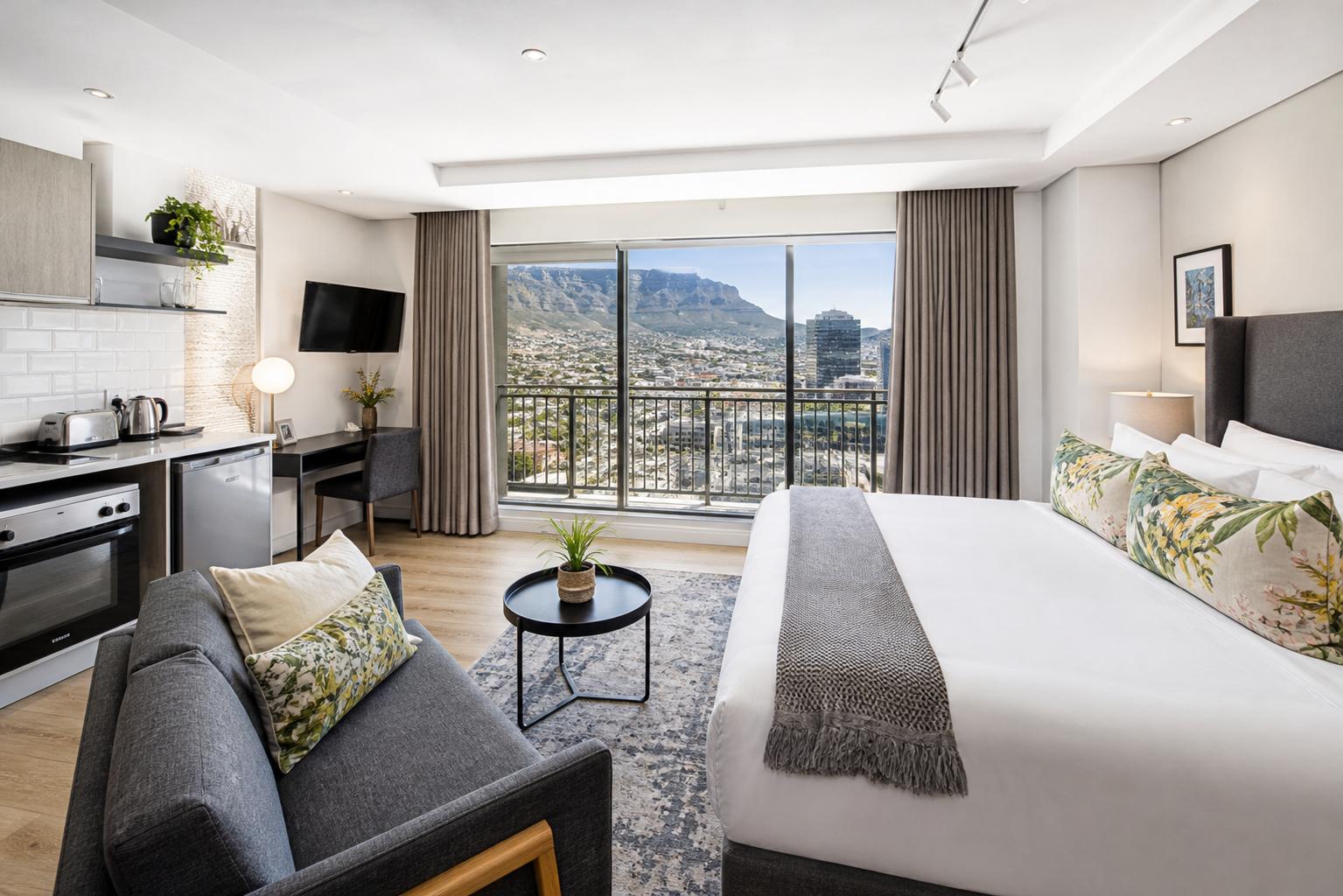
First-time visitors to Cape Town should stay along the Atlantic Seaboard, specifically in Sea Point, Camps Bay, or Green Point, or at the Victoria and Alfred Waterfront. These areas provide the strongest security, unmatched ocean and mountain scenery, excellent walkability, and effortless access to major attractions like Table Mountain, Robben Island ferries, and the city beaches. Staying in these central spots keeps travel times short and simplifies getting around via Uber or walking.
Choosing the right base shapes your entire trip, especially when factoring in local weather patterns like the summer south-easter wind, evening safety, and daily traffic. Evaluating your accommodation options requires balancing scenic beauty with practical day-to-day amenities:
- Proximity to reliable transport routes and short Uber wait times
- Walkable access to grocery stores, cafes, and bakeries
- Shelter from high summer winds, especially along coastal strips
- Backup power systems such as solar or inverters to handle local electricity outages
The Atlantic Seaboard: Ocean Views and Coastal Living
The Atlantic Seaboard is the gold standard for travellers arriving in the Mother City for the first time. Extending from Green Point along the coastline through to Hout Bay, this strip features striking ocean sunsets against the Twelve Apostles mountain range. For accommodation with uninterrupted sea views, review our holiday rentals in Cape Town to secure a beachside base.
Camps Bay and Clifton
Camps Bay caters to visitors wanting white sand beaches, palm trees, and an energetic strip of sunset cocktail bars and seafood restaurants. Clifton, situated just north of Camps Bay, offers four sheltered coves protected from the Cape Doctor wind, making it ideal for pure beach relaxation. Keep in mind that Camps Bay sits over the mountain pass from the city centre, meaning traffic can build up during the December and January holiday peak.
Sea Point and Green Point
Sea Point and Green Point offer an ideal balance between seaside holiday living and urban convenience. The paved Sea Point Promenade stretches for kilometres along the coast, drawing walkers, joggers, and sunset watchers every afternoon. Regent Road and Kloof Road are packed with independent coffee shops, authentic delis, and global restaurants, making it easy to step outside and explore on foot. First-time visitors favour Sea Point and Green Point for several distinct advantages:
- Flat, walkable streets with pedestrian activity well into the evening
- Instant access to Green Point Urban Park and the DHL Stadium
- Central positioning between the Atlantic beaches and the city centre
- Abundant self-catering apartments featuring modern amenities and ocean-facing balconies
V&A Waterfront: Maximum Convenience and Top Security
The Victoria and Alfred Waterfront is the most visited tourist precinct in South Africa, offering a clean, heavily secured environment centered on a historic working harbour. If you prefer to avoid hiring a car and want guided tour departures directly at your doorstep, this area is difficult to beat. Ferries to Robben Island depart from the Nelson Mandela Gateway, while charter boats, scenic helicopter tours, and open-top sightseeing buses all run directly from the main marina.
Accommodation here sits inside access-controlled marina estates and modern residential developments. While dining and shopping around the wharf tend to carry tourist-focused pricing, the convenience of walking to high-end restaurants, cinema halls, and the Zeitz Museum of Contemporary Art Africa makes it a stress-free option for families and solo travellers alike.
City Bowl and Tamboerskloof: Heritage, Culture, and Dining
Nestled beneath the amphitheatre of Table Mountain, Lion Head, and Signal Hill, the City Bowl suits visitors who want a cultural stay with quick access to the city culinary core. Tamboerskloof, Gardens, and Oranjezicht are leafy, historic suburbs set on the slopes above downtown Cape Town. Kloof Street serves as the main artery here, packed with neighbourhood wine bars, art galleries, and acclaimed bistros.
Staying in the City Bowl provides swift access to the Table Mountain Aerial Cableway and the Kirstenbosch National Botanical Garden. It can get windy in midsummer, but the mountain views and neighbourhood warmth make it an appealing alternative to the busier coastal strips.
Planning Your Stay: Transport and Logistics
Cape Town is simple to explore when you understand the local logistics. Uber is plentiful, cost-effective, and the standard method of transport for tourists across the central suburbs. Renting a car is best reserved for day trips to the Cape Point Nature Reserve or the Cape Winelands, rather than everyday travel within the city. First-timers can maximise their safety and comfort by following a few practical rules:
- Use app-based rides like Uber after dark instead of walking between neighbourhoods
- Select properties that provide dedicated, secure off-street parking if you rent a vehicle
- Confirm ahead of time whether your building features battery inverters or generators
- Book popular restaurant reservations several weeks in advance during summer months
Precision Solutions With Cape Town Holiday Apartments
Finding the ideal apartment means matching your personal travel style to the right neighbourhood layout. Cape Town Holiday Apartments provides fully managed self-catering homes, seaside penthouses, and modern flats across Camps Bay, Sea Point, Green Point, and the Waterfront. Each property is maintained to exacting standards, offering dedicated check-in support, secure parking, and reliable power backup. Click the button below to select the ideal base for your first trip to South Africa.
FAQs
Is Sea Point or Camps Bay better for a first trip to Cape Town?
Sea Point is generally better for visitors who value walkability, abundant local restaurants, grocery shopping, and central access. Camps Bay is preferable if your priority is lying on a sandy beach, enjoying sunset views, and staying in a luxury villa.
Do I need to hire a car when visiting Cape Town for the first time?
No, you do not need a rental car if you stay in Sea Point, Green Point, Camps Bay, or the V&A Waterfront. Uber is affordable, quick to arrive, and eliminates the hassle of navigating one-way streets and finding parking.
Which area of Cape Town is the safest for tourists?
The V&A Waterfront features the tightest 24-hour private security footprint in the city. The Atlantic Seaboard neighbourhoods of Sea Point, Green Point, and Camps Bay are also well-patrolled, active, and widely considered the safest suburbs for international visitors.
What is the best month for a first-time holiday in Cape Town?
November, February, and March offer warm, sunny weather with smaller crowds and lighter winds than the peak festive season of late December and January. Autumn months like April also bring calm, clear days perfect for hiking Table Mountain.
Leave a Reply