Author: Brad

  • Which Cape Town Suburbs Perform Best for Airbnb Rentals

    Which Cape Town Suburbs Perform Best for Airbnb Rentals

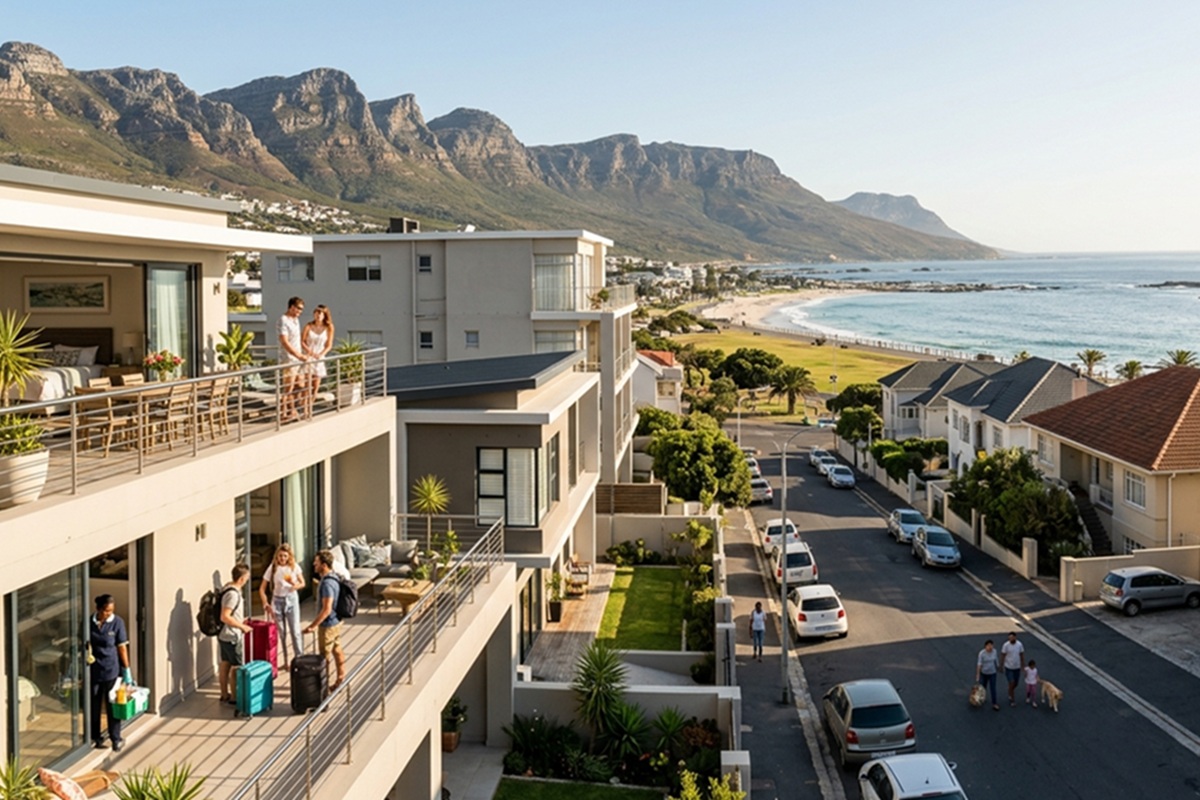
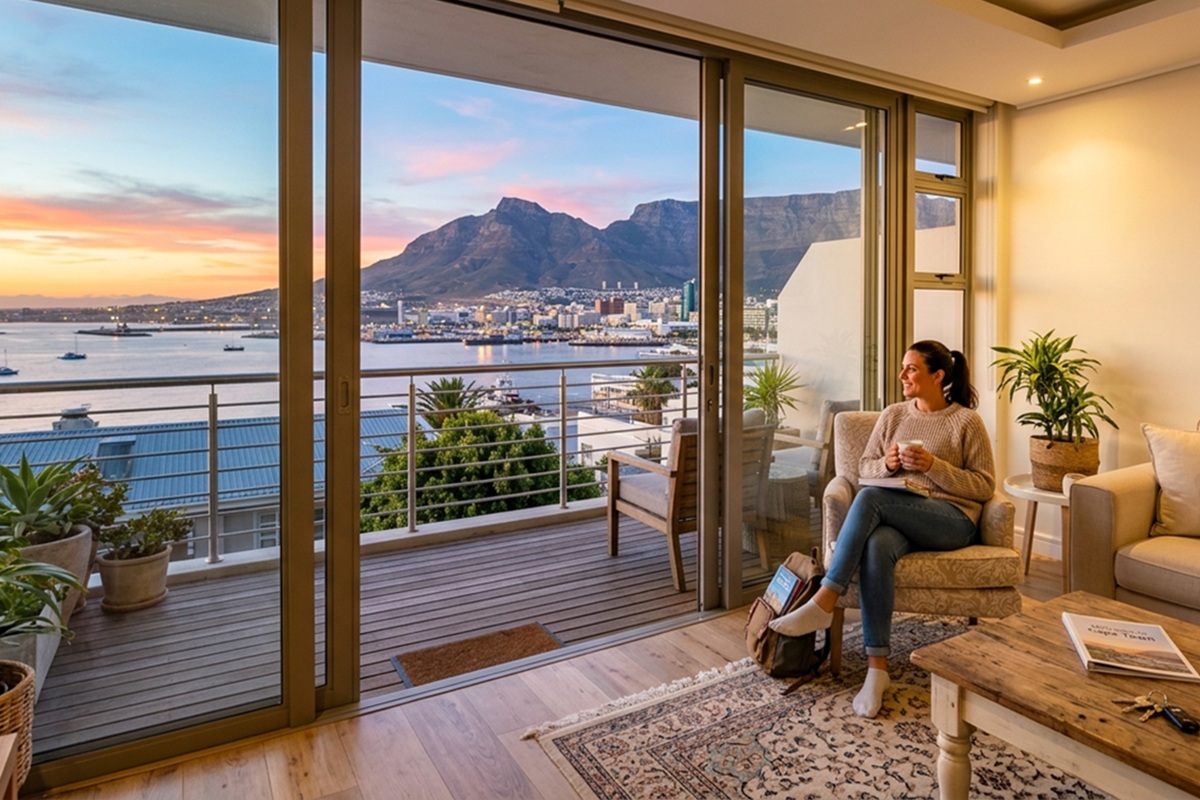
    The Atlantic Seaboard and City Bowl consistently deliver the highest returns for Airbnb hosts in Cape Town, led by Camps Bay, Sea Point, Green Point, and De Waterkant. Camps Bay and Clifton command the highest average daily rates during the summer peak from November to March, while Sea Point, Green Point, and the CBD generate the highest year-round occupancy rates thanks to steady demand from domestic holidaymakers, corporate visitors, and international digital nomads.

    Top Performing Atlantic Seaboard Suburbs

    The Atlantic Seaboard remains the premier stretch for short-term rental performance in South Africa. Ocean views, proximity to world-class dining, and quick beach access generate steady tenant interest across both high and shoulder seasons.

    High-performing suburbs along this coastal strip offer distinct advantages for property investors:

    • Camps Bay: Commands nightly rates exceeding ten thousand rand for luxury villas during summer, catering to high-net-worth international travellers who prioritise sunset views and private pools.
    • Clifton: Delivers unmatched prestige and high nightly pricing for accommodation overlooking the four sheltered beaches, maintaining scarce inventory and high exclusivity.
    • Sea Point: Produces the most consistent year-round occupancy on the Atlantic Seaboard, supported by its oceanfront promenade, diverse restaurant culture, and complete walkability.
    • Green Point: Draws steady bookings from sports spectators, event attendees, and holidaymakers seeking proximity to the V&A Waterfront and Cape Town Stadium.

    City Bowl and Inner-City High Yield Areas

    Properties across the City Bowl achieve dependable revenue across all four seasons by attracting remote workers, corporate travellers, and budget-conscious tourists. To maximise listing visibility across global booking channels, top operators rely on the advantages of multi-channel listing software to sync calendars and pricing across platforms.

    De Waterkant

    Featuring historic semi-detached cottages, cobblestone lanes, and stylish cafes, De Waterkant attracts affluent, design-conscious travellers. The neighbourhood sits within walking distance of the central business district, making it a favourite for both weekend city breaks and multi-week remote work stays.

    Cape Town CBD

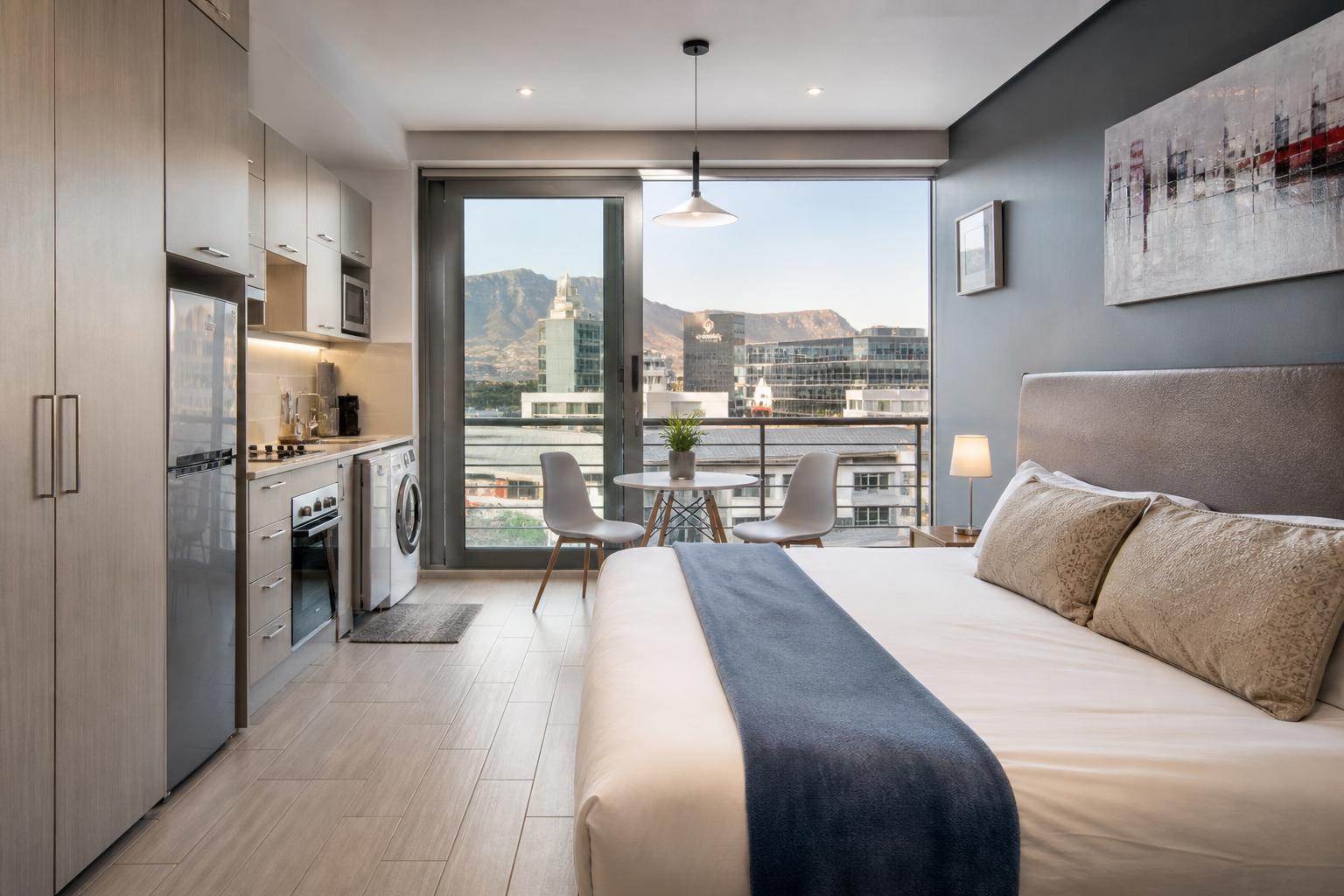
    Studio and one-bedroom rentals in the city centre offer accessible entry-level purchase prices and strong occupancy through the winter months. Buildings featuring solar or inverter backup systems, 24-hour concierge desks, and secure undercover parking consistently command top-tier reviews and booking frequency.

    Lifestyle and Niche Coastal Suburbs

    Outside the central corridor, specific lifestyle suburbs cater to dedicated traveller demographics that produce reliable seasonal spikes:

    • Constantia: Attracts multi-generational families and wine tourists seeking spacious garden estates, seclusion, and easy access to historic wine estates.
    • Bloubergstrand: Draws global kitesurfers, windsurfers, and water-sport enthusiasts from October through March, offering postcard views of Table Mountain across Table Bay.
    • Kalk Bay and Muizenberg: Appeal to surf culture enthusiasts and coastal vacationers looking for tidal pools, fresh seafood harbours, and local artisan boutiques.

    Key Factors That Drive Suburb Profitability in Cape Town

    Location sets your earning baseline, but physical property features and management standards determine net returns. When acquiring an investment unit or optimising an active listing, focus on these critical operational assets:

    • Uninterrupted power systems: Units fitted with inverters, lithium batteries, or solar setups protect guest comfort during load-shedding and secure five-star review ratings.
    • Dedicated off-street parking: Secure parking is a top search filter for domestic tourists and overseas travellers renting vehicles to explore the Western Cape.
    • High-speed fibre internet: Fast, reliable Wi-Fi attracts extended stays from European and American digital nomads during the autumn and spring shoulder periods.
    • Professional host operations: When managing coastal properties in Cape Town, automated daily pricing and immediate guest communication determine profitability.

    Let CTHA Manage Your Airbnb Rental

    Running a top-tier short-term rental in Cape Town requires real-time market data, responsive guest management, and active tariff optimisation. CTHA delivers full-service property management, covering interior styling, professional listing optimisation, revenue management, housekeeping, and round-the-clock maintenance. Reach out by clicking the button below to request a property rental assessment.

    FAQs

    Which Cape Town suburb has the highest Airbnb occupancy rate?

    Sea Point and Green Point consistently achieve the highest annual occupancy rates in Cape Town, often averaging between 70% and 85% due to balanced demand from leisure tourists, business travellers, and digital nomads.

    Is Camps Bay or Sea Point better for Airbnb investment?

    Camps Bay delivers higher average daily rates during the summer peak, making it ideal for luxury homes and large-format villas. Sea Point offers steadier year-round cash flow, lower seasonal drops, and lower initial property purchase prices.

    Do Cape Town Airbnb listings require backup power?

    Yes. Equipping your rental property with an inverter, battery storage, or solar power is essential to avoid negative reviews and maintain occupancy during municipal electrical outages or national load-shedding.

    What months generate the highest Airbnb revenue in Cape Town?

    December, January, and February generate peak revenue due to summer holiday demand. October, November, March, and April represent strong shoulder months with consistent bookings from overseas visitors escaping colder northern hemisphere climates.
  • How Airbnb Management Companies Handle Seasonal Demand in Cape Town

    How Airbnb Management Companies Handle Seasonal Demand in Cape Town

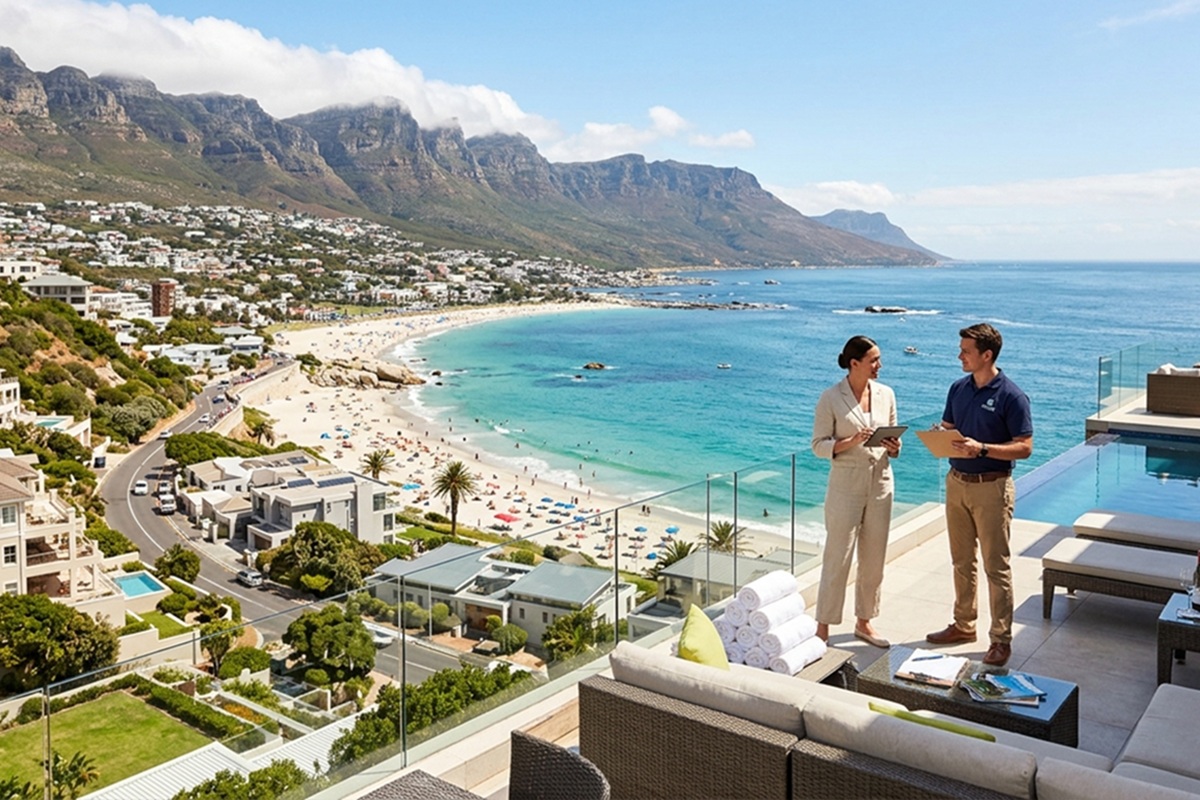
    Airbnb management companies handle Cape Town seasonal demand by combining real-time rate adjustments, shifting guest target demographics between summer and winter, diversifying booking channels, and introducing flexible minimum stay rules. During the peak summer influx from December to February, managers maximise nightly rates and enforce strict multi-night minimums. In the quieter winter period between June and August, they transition properties toward medium-term stays, remote workers, and corporate relocations to protect baseline occupancy and net yields.

    Real-Time Rate Adjustments and Seasonal Pricing

    Cape Town experiences extreme variations in tourism volume between the sun-drenched summer months and the rainy winter season. Professional property managers track local flight bookings, event calendars, and neighbourhood-specific search patterns to price rentals competitively every single day rather than relying on static seasonal rate cards.

    Rate adjustment tools analyse market capacity across key areas like Camps Bay, Sea Point, and the City Bowl. When demand surges around major events such as the Cape Town Cycle Tour or international holiday periods, rates increase automatically. Conversely, off-peak pricing automatically drops to attract price-sensitive domestic travellers and regional visitors.

    Professional operators rely on specific demand levers to adjust pricing throughout the year:

    • Minimum stay requirements that increase to seven or ten nights during the festive December peak and drop to two nights in the off-season.
    • Automated last-minute discount rules that trigger when unbooked calendar gaps appear within three to five days of arrival.
    • Early-bird promotions that secure high-value international bookings six to nine months ahead of the high season.
    • Customised event multipliers that activate around major conventions at the CTICC and popular sports tournaments.

    Multi-Channel Listing Visibility

    Restricting a property to a single platform limits exposure when market demand cools. Top management agencies synchronise listings across Airbnb, Booking.com, Vrbo, and direct corporate booking portals. Understanding the benefits of using a channel manager for Airbnb listings helps owners understand how instantaneous calendar sync prevents double bookings while reaching diverse global audiences across multiple platforms simultaneously.

    Pivoting Guest Profiles for Low-Season Occupancy

    Winter in the Western Cape brings cooler temperatures and rain, which reduces short-term holiday tourism. Experienced management firms prepare for this shift well before May by targeting long-stay travellers who need fully furnished accommodation for one to four months.

    Unlike other South African markets that rely heavily on corporate travellers year-round, such as those evaluating options when finding the best Airbnb management companies, Cape Town property managers must deliberately pivot their marketing angle to secure steady winter revenue. Managers capture winter bookings by positioning properties for specific high-intent visitor categories:

    • Digital nomads and European remote workers seeking mild coastal weather with reliable work infrastructure.
    • Film industry crew members and production staff requiring extended accommodation during local shooting schedules.
    • Corporate assignees, medical professionals, and university researchers relocating temporarily to the Mother City.
    • Domestic holidaymakers from northern provinces looking for discounted weekend getaways near top wine estates.

    Optimising Amenities for Winter Tenants

    Properties that stay booked during colder months feature amenities designed for extended, comfortable stays. Managers recommend that property owners furnish apartments with dedicated workstations, high-speed fibre internet, and backup power solutions to counter unexpected load-shedding. Adding heaters, heavy blankets, and clear instructions for indoor fireplaces turns a standard summer beach pad into an inviting winter base.

    Strategic Maintenance and Property Upgrades

    The quiet shoulder seasons of May and September provide an ideal window for property maintenance. Highly rated management companies schedule heavy maintenance during these transition months so properties remain in prime condition for the high-revenue summer rush.

    Seasonal property preparation typically follows a structured checklist:

    • Deep cleaning carpets, upholstery, and outdoor patio furniture following heavy summer guest turnover.
    • Inspecting exterior paint, roof waterproofing, and balcony drainage before winter storms arrive from the Atlantic.
    • Servicing air conditioning units, pool pumps, solar systems, and inverter battery banks to avoid peak-season failures.
    • Updating listing photography to display cosy interior setups ahead of winter and sunlit balcony views ahead of summer.

    Let CTHA Handle Your Airbnb

    CTHA delivers high-yield short-term rental management by applying deep local insight to Cape Town unique seasonal market dynamics. Our team combines multi-channel marketing, intelligent rate strategies, and end-to-end guest operations to keep your property profitable throughout every month of the year. Click the button below for a personalised rental assessment.

    FAQs

    What is the peak season for Airbnb in Cape Town?

    The peak season runs from late November through March, with peak booking volume and highest nightly rates occurring between mid-December and mid-January. A secondary peak occurs during the February and March shoulder months, driven by international retirees and European travellers escaping northern winters.

    How do Airbnb managers maintain bookings during Cape Town winters?

    Managers maintain winter occupancy by lowering minimum stay requirements, introducing weekly and monthly stay discounts, marketing directly to remote workers and film crews, and listing properties across multiple booking platforms to capture diverse travel segments.

    Should Cape Town property owners offer monthly discounts in the off-season?

    Yes. Offering a 20% to 40% discount for bookings longer than 28 days during June, July, and August secures predictable monthly rental income, reduces utility usage, and eliminates the regular cleaning and turnover costs associated with frequent short-term guest transitions.

    Does backup power affect seasonal bookings in Cape Town?

    Yes. Having an inverter, solar system, or generator is a decisive booking factor across all seasons. Digital nomads in winter require uninterrupted power for remote work, while summer holidaymakers expect uninterrupted air conditioning, Wi-Fi, and security systems regardless of regional grid interruptions.

  • What to Look for When Comparing Airbnb Management Companies in Cape Town

    What to Look for When Comparing Airbnb Management Companies in Cape Town

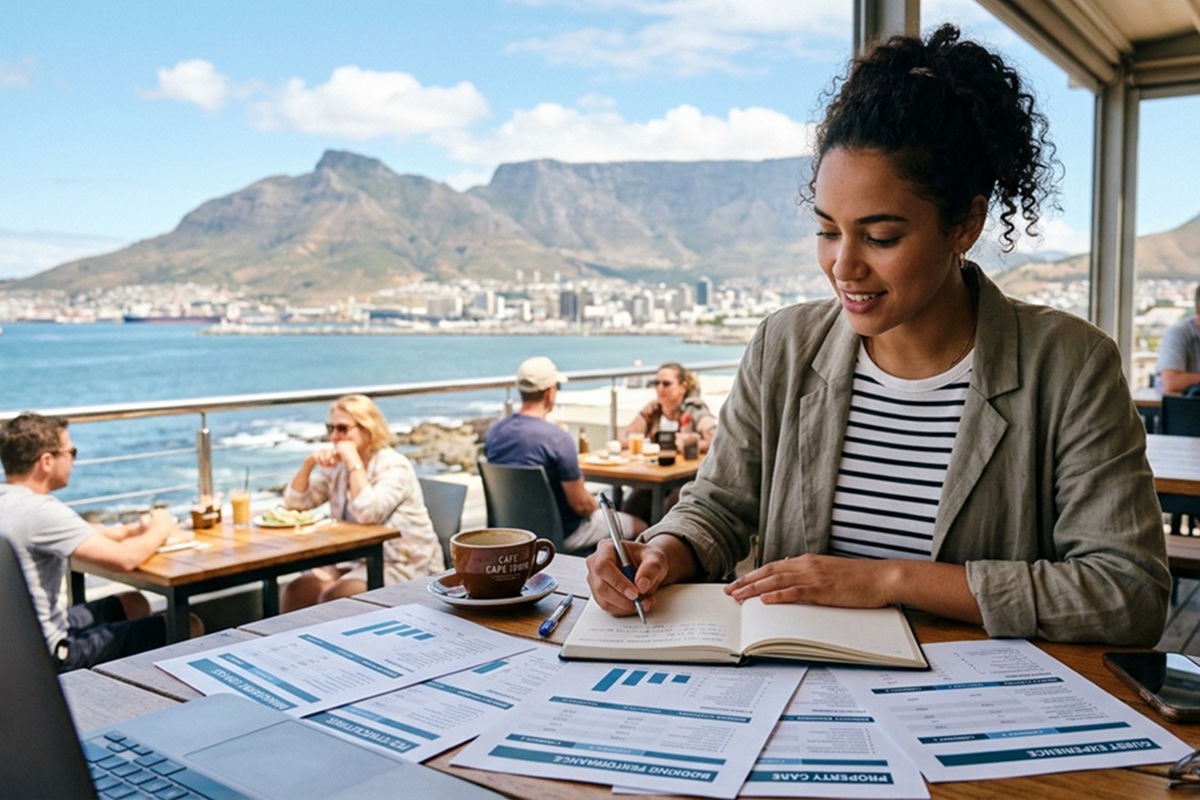
    When comparing Airbnb management companies in Cape Town, you should focus on four core operational pillars: seasonal revenue optimisation strategies, local property maintenance infrastructure, multi-channel distribution technology, and transparent fee structures. The Mother City operates on extreme seasonal demand swings, meaning an effective property manager must actively manage rates between peak summer tourism and quieter winter months while protecting your asset on the ground.

    Local Operational Presence and Maintenance Capabilities

    Cape Town short-term rentals require hands-on property care to handle regional challenges such as coastal wear and tear, load-shedding backup systems, and rapid guest turnarounds. An agency operating without dedicated in-house maintenance teams or vetted local contractors often incurs delays that lead to poor guest reviews.

    A capable management partner should have established protocols for managing common regional property demands:

    • Routine inspections before check-in and immediately following checkout to identify damages early.
    • Setup, monitoring, and servicing of inverter, battery, or solar systems to keep power running during outages.
    • Dedicated rapid-response teams in key hubs like Camps Bay, Sea Point, Green Point, and the City Bowl.
    • Strict cleaning standards backed by professional housekeeping checklists.

    Turnaround Time and Guest Communication

    Fast response times directly influence listing search rankings and booking conversions. Look for operators providing 24/7 guest communication, multilingual support, and immediate handling of on-site maintenance inquiries to prevent negative reviews on booking platforms.

    Distribution Technology and Multi-Channel Reach

    Listing your property solely on Airbnb limits your reach to international travellers who book through platforms like Booking.com, Vrbo, or high-end direct channels. Effective agencies use enterprise software to sync rates, calendars, and guest messaging across every channel instantly.

    Understanding the benefits of using a channel manager for Airbnb listings helps property owners see how automated multi-platform distribution prevents double bookings and boosts annual occupancy.

    When evaluating distribution systems, check whether the agency offers these key capabilities:

    • Algorithmic dynamic pricing tools updated daily based on local flight arrivals, events, and competitor supply.
    • Instant calendar synchronization across all major global online travel agencies.
    • Direct booking engines that reduce reliance on commission-heavy platforms.

    Transparent Pricing Models and Contract Terms

    Short-term rental management fees in Cape Town typically range from 15% to 25% of gross rental income, depending on whether the service is full-turnkey or listing-only. Always ask for a transparent breakdown of what is covered in the base commission versus what is billed separately.

    Hidden Costs to Watch For

    Review the fine print for recurring charges such as linen replenishment fees, guest communication surcharges, call-out fees for routine repairs, or long lock-in contract clauses that restrict you from taking back property control.

    Before signing an agreement, confirm that your contract includes the following safeguards:

    • Clear accounting statements with itemised booking revenue and maintenance receipts.
    • Flexible owner stay policies without punitive blackout periods during peak holiday windows.
    • Reasonable termination notice periods that do not trap underperforming listings.
    • Direct access to your listing performance data and platform reviews.

    Let CTHA Manage Your Airbnb

    Managing a short-term rental in Cape Town requires local expertise, disciplined operational systems, and aggressive revenue management. CTHA provides full-service short-stay management designed to optimise your rental yields while preserving your property condition year-round. Click the button below to request an accurate property revenue projection and discuss our management services.

    FAQs

    What commission rate do Airbnb property managers in Cape Town charge?

    Most reputable management companies in Cape Town charge between 15% and 25% plus VAT on gross booking revenue, depending on whether you require full property management, partial services, or marketing-only assistance.

    How do management companies handle load-shedding and power cuts?

    Professional agencies recommend and manage backup power solutions such as inverters, UPS units for Wi-Fi routers, and battery-powered lighting, ensuring guests experience minimal disruption during utility interruptions.

    Can I still use my property for personal holidays?

    Yes. Quality management agreements allow owners to block out dates for personal use through an owner portal, provided the dates are reserved before paying guests confirm bookings.

    How do managers adjust prices between summer peak and winter low season?

    Managers use automated pricing software alongside local market analysis to command top rates during the December to February peak while adjusting minimum stays and nightly rates to capture digital nomads and business travellers in the winter.

  • Airbnb Management Companies vs Traditional Letting Agents in Cape Town

    Airbnb Management Companies vs Traditional Letting Agents in Cape Town

    The primary difference between Airbnb management companies and traditional letting agents in Cape Town lies in the rental model, revenue structure, and daily operations. Airbnb management firms handle short-term, nightly stays by managing guest turnover, active rate management, property maintenance, and local hospitality logistics to maximise peak summer tourism yields. In contrast, traditional letting agents focus on securing long-term tenants for fixed 12-month leases, collecting standard monthly rent, and handling periodic inspections under the Rental Housing Act.

    Revenue Potential and Rental Yields in Cape Town

    Cape Town presents one of the most lucrative holiday rental markets in the southern hemisphere, particularly across the Atlantic Seaboard and City Bowl. Short-term rentals capitalise on seasonal demand surges during the December to March peak, generating substantially higher gross income compared to fixed long-term agreements. However, this model carries income variability during the quieter winter months, whereas traditional long-term rentals deliver consistent, predictable monthly cash flow year-round.

    When evaluating which strategy matches your investment goals, consider these financial factors:

    • Short-term rentals can command premium nightly rates during major events, conferences, and the summer holiday season.
    • Long-term leases offer stable monthly income that protects cash flow against seasonal tourism dips.
    • Short-term management fees typically range from 15% to 25% of gross revenue, compared to 8% to 12% for traditional letting agents.
    • Property owners on short-term models retain flexible personal access to use their Cape Town holiday home whenever it is unbooked.

    Operational Responsibilities and Day-to-Day Management

    Managing short-term holiday accommodation involves intense daily involvement, while long-term property administration requires episodic oversight. Short-term managers coordinate housekeeping between check-outs, maintain hotel-standard linen, restock amenities, and arrange on-the-ground support for international guests. They also manage local infrastructure demands, such as maintaining solar inverter setups and backup power units during load-shedding periods.

    Guest Communication and Listing Optimisation

    Short-term operators manage continuous inquiries, automated messaging, and instant booking platforms across multiple online travel agencies. Professional teams leverage technology to sync calendars and optimise pricing, as seen in the benefits of using a channel manager for multi-platform distribution to prevent double bookings. Traditional agents, on the other hand, list vacancies on regional portals like Property24 or Private Property, vet tenant credit scores, and draw up standard lease agreements.

    Maintenance and Property Preservation

    Short-term properties undergo frequent visual checks after every single guest departure, ensuring minor damages or maintenance issues get resolved immediately. Long-term rentals undergo formal entry and exit inspections, alongside occasional annual check-ups, which means wear and tear might accumulate unnoticed over prolonged tenancies.

    Legal Frameworks, Tenant Rights, and Flexibility

    The regulatory and legal obligations governing property owners differ dramatically between short-term stays and standard leases. Traditional tenancies are governed by the Consumer Protection Act and South Africa’s Rental Housing Act, which grant long-term tenants extensive statutory protections against eviction and strict regulations around deposit holding.

    Short-term arrangements operate primarily under hospitality service agreements, offering property owners distinct operational advantages:

    • Guests have no legal tenancy status, eliminating prolonged eviction disputes if a guest overstays.
    • Pricing can adjust daily based on local market demand, local festival dates, and international flight patterns.
    • Lease agreements do not lock property owners into below-market rates for 12 or 24 months.
    • Property owners can switch between short-term letting and corporate mid-term rentals as seasonal demand dictates.

    Choosing the Right Management Strategy for Your Property

    Selecting between an Airbnb property manager and a traditional letting agent depends on your property location, furnishing status, and financial objectives. Properties situated in Camps Bay, Sea Point, Green Point, and the V&A Waterfront perform exceptionally well on short-term platforms due to international tourist demand. If you are comparing strategies or vetting short-term rental management across major South African metros, understanding local market conditions is essential for protecting your property asset.

    To determine the best fit for your Cape Town real estate, assess the following property characteristics:

    • Furnishing: Short-term rentals require complete, high-quality furnishing, fully equipped kitchens, fast Wi-Fi, and inverter systems.
    • Location: Properties walking distance to beaches, restaurants, or the Cape Town International Convention Centre thrive on short stays.
    • Body Corporate Rules: Sectional title schemes in Cape Town increasingly regulate or restrict short-term rentals, requiring verification before listing.
    • Owner Usage: Owners wanting regular holiday access to their own apartment benefit exclusively from the short-term model.

    Let CTHA Manage Your Airbnbs in Cape Town

    CTHA delivers end-to-end short-term and mid-term property management designed to optimise revenue while protecting your residential asset in Cape Town. From listing creation and 24/7 guest communications to housekeeping, property maintenance, and local compliance, our team handles every operational detail with local expertise. Click the button below to request a complimentary property assessment and rental revenue projection.

    FAQs

    Can I convert my long-term rental property into an Airbnb in Cape Town?

    Yes, provided your property is furnished to high standards and your body corporate or sectional title rules permit short-term letting. You will also need reliable high-speed internet and backup power solutions for continuous operations.

    Are management fees higher for Airbnb management than traditional letting?

    Yes. Short-term management fees typically range between 15% and 25% because the team handles continuous turnovers, professional cleaning, daily rate adjustments, and around-the-clock guest support. Traditional agents charge 8% to 12% for monthly rent collection and lease administration.

    What happens during Cape Town’s low winter season?

    Experienced short-term managers adjust marketing strategies during winter by lowering minimum night requirements, marketing to digital nomads, or transitioning units to flexible one-to-three-month corporate rentals to maintain steady occupancy.

    Do Airbnb guests have tenant rights under South African law?

    No. Short-term holiday guests are classified as transient visitors under hospitality terms rather than residential tenants. They do not hold leasehold rights under the Rental Housing Act, which simplifies management and prevents eviction disputes.

  • Self-Catering and Airbnb-Style Accommodation Near CTICC Cape Town

    Self-Catering and Airbnb-Style Accommodation Near CTICC Cape Town

    Dozens of self-catering and Airbnb-style rentals sit within short walking distance of the Cape Town International Convention Centre (CTICC). The Foreshore precinct and neighbouring Roggebaai canal district offer modern high-rise apartments equipped with full kitchens, uncapped high-speed fibre internet, secure parking, and dedicated workstations, making them ideal for conference delegates, trade exhibitors, and corporate visitors who want more flexibility and space than standard hotel rooms provide.

    Why Choose Self-Catering in Foreshore Over Standard Hotels

    Staying in an independent gives business and leisure travellers complete control over their schedule. Instead of eating out for every meal, you have a private kitchen to prepare breakfast before early morning keynote sessions or cook dinner after a long day on the exhibition floor. Booking self-catering accommodation in Cape Town also provides substantially more living space, separating your sleeping quarters from your workspace.

    Independent rentals in the precinct provide clear advantages for extended corporate itineraries:

    • Private workspaces and separate living rooms suitable for taking virtual meetings or reviewing presentation notes
    • Fully equipped kitchens that simplify dietary requirements and keep daily subsistence costs predictable
    • Building amenities including secure basement parking, communal lap pools, and 24-hour manned security desks
    • In-unit laundry appliances, including washing machines and tumble dryers, which eliminate pricey hotel laundry bills

    Best Locations and Buildings Close to the CTICC

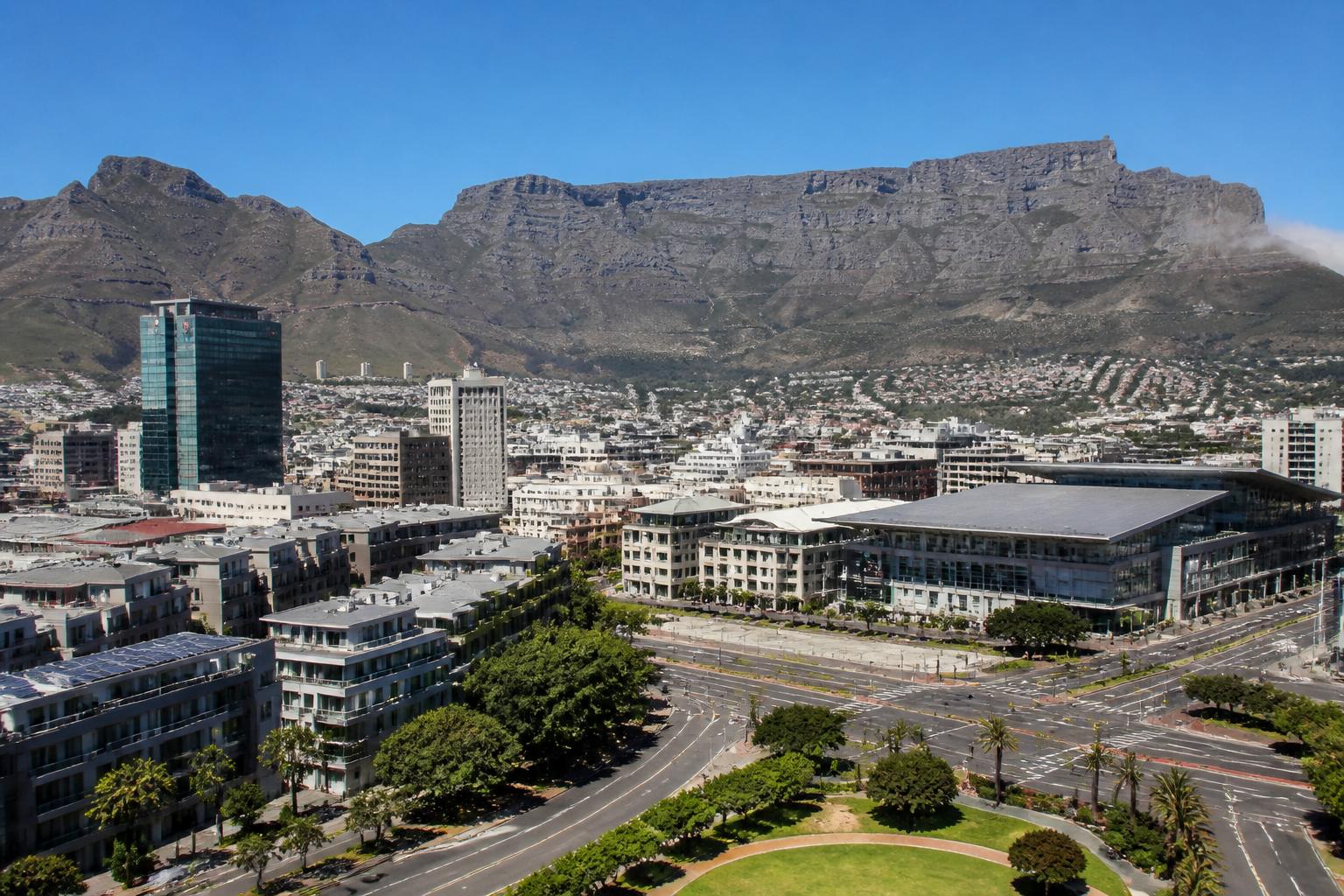
    The Foreshore district sits directly at the foot of the city centre, adjoining the CTICC complex and the entrance to the Victoria and Alfred Waterfront. This central position lets you commute to morning sessions on foot in less than five minutes while remaining close to the city nightlife and dining scene along Bree Street and Loop Street.

    The Foreshore Precinct

    Apartment developments directly in Foreshore offer doorstep access to both CTICC 1 and the newer CTICC 2 exhibition halls across Heerengracht Street. These residential buildings cater specifically to corporate visitors, offering high-speed fibre Wi-Fi, modern finishes, and quiet double-glazed windows that block city street noise.

    The Roggebaai Canal and Waterfront Border

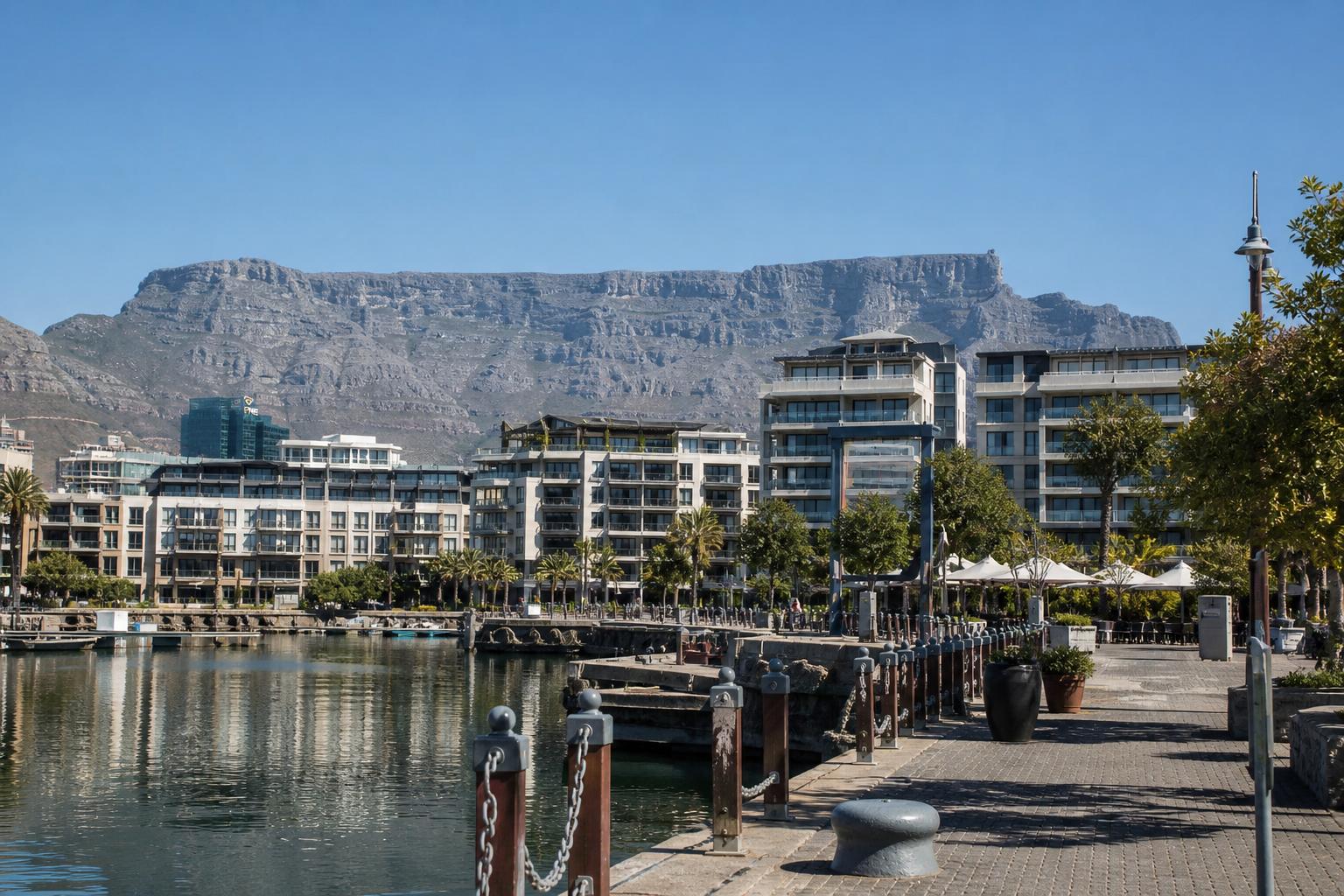
    Properties situated along the Roggebaai canal bridge the gap between the convention grounds and the V&A Waterfront. Staying here allows you to board water taxis right outside your building, offering a scenic five-minute transfer to world-class dining, shopping, and harbour tours once your conference concludes.

    Key features to confirm when selecting accommodation for a conference trip:

    • Backup power systems such as building generators or in-unit inverters to keep Wi-Fi and lights running without interruption during load-shedding
    • Air conditioning units in both the living area and main bedroom to manage warm summer convention seasons comfortably
    • Keyless electronic access or a 24-hour concierge desk to ensure smooth check-in after late evening flights into Cape Town International Airport
    • Proximity to MyCiTi bus stations for direct connections across the Atlantic Seaboard and city centre

    Practical Tips for CTICC Conference Visitors

    Planning your stay around major events requires local insight to avoid peak traffic and ensure effortless movement between your rental and the event halls. Foreshore is pedestrian friendly during normal business hours, with dedicated pedestrian crossings and visible security patrols connecting residential towers to the convention entrances.

    Steps to streamline your stay during major exhibition periods:

    • Reserve your accommodation two to four months in advance when attending major events like Mining Indaba, Africa Tech Festival, or solar energy expos
    • Verify whether your conference sessions are staged in CTICC 1 or CTICC 2 so you can pick the closest building on Heerengracht Street or Walter Sisulu Avenue
    • Use registered e-hailing services or the canal water taxi for evening transfers to the V&A Waterfront or Kloof Street restaurants

    Book Your Self Catering Accommodation With Cape Town Holiday Apartments

    Cape Town Holiday Apartments provides fully furnished, verified self-catering properties situated right next to the CTICC and throughout Foreshore. Every property includes fast fibre internet, modern amenities, secure parking, and dependable power solutions to guarantee an effortless stay for solo delegates and large corporate delegations. Reach out by clicking the button below to arrange group reservations, custom invoicing, or extended corporate accommodation.

    FAQs

    How far is Foreshore accommodation from CTICC 1 and CTICC 2?

    Most residential buildings in Foreshore sit between 200 metres and 800 metres from the main entrances of CTICC 1 and CTICC 2, translating to a flat, straightforward walk of two to seven minutes.

    Is it safe to walk between Foreshore and the CTICC?

    Yes, the area immediately surrounding the convention centre features active CCID security patrols, well-lit sidewalks, and monitored pedestrian crossings. As with any city centre, keep personal valuables concealed and use e-hailing transport if travelling late at night.

    Do self-catering rentals near the CTICC have backup power?

    Many top-tier apartment blocks in Foreshore operate full-building generators or in-unit inverter systems that power Wi-Fi routers, lighting, and essential plugs during municipal load-shedding schedules. Check property specifications before confirming your booking.

    Can corporate delegates obtain tax invoices for company expense claims?

    Yes, booking with established management agencies provides official VAT invoices with your organisation details, simplifying corporate accounting and reimbursement procedures.

  • Is Foreshore Cape Town a Safe Area to Stay in

    Is Foreshore Cape Town a Safe Area to Stay in

    Foreshore is generally a very safe, well-monitored district in central Cape Town, especially for business travellers, convention visitors, and tourists who want quick access to the city centre and the harbour. Because it houses major corporate headquarters, the Cape Town International Convention Centre (CTICC), and modern residential towers, the precinct benefits from high-visibility security patrols and extensive surveillance. As with any urban centre, personal safety depends on maintaining sensible city habits, particularly after dark when business foot traffic subsides.

    Security Measures and Local Safety in Foreshore

    The safety of Foreshore is anchored by heavy municipal and private security investments. The precinct falls under the watchful operations of the Cape Town Central City Improvement District (CCID), which deploys dedicated public safety officers on foot and in patrol vehicles around the clock. If you are comparing neighbourhoods for an upcoming trip, viewing our Foreshore self-catering accommodation reveals that modern apartment developments here place security at the top of their priorities.

    Several layered security measures protect residents and visitors across the district:

    • Visible CCID safety ambassadors patrolling streets, pedestrian crossings, and public squares 24 hours a day
    • Advanced municipal and private CCTV networks monitoring major intersections, including Heerengracht Street and Walter Sisulu Avenue
    • Strict building access control, including biometric entry, manned concierge desks, and secure undercover parking in modern residential blocks
    • Rapid response units supported by both local private security companies and the South African Police Service

    Day Versus Night Safety

    During working hours, Foreshore is active, energetic, and filled with office workers, event delegates, and municipal staff. Walking between the CTICC, nearby hotel cafes, and local coffee shops is straightforward and safe. After business hours and on weekends, the area empties out noticeably as commuters head home. While violent crime in Foreshore is rare, opportunistic petty theft can occur in quiet streets at night. When heading out for dinner on Bree Street or at the V&A Waterfront after sunset, hailing an Uber directly from your building lobby is the smartest choice.

    Getting Around Foreshore and Nearby Attractions

    Foreshore sits at the junction connecting the central business district, the harbour, and the Atlantic Seaboard. Getting around is convenient, provided you choose the right transport methods for the time of day.

    Consider these practical transit guidelines when moving around the area:

    • Use the MyCiTi bus network for daytime travel across Foreshore, the Civic Centre station, and onward to Camps Bay or Table View
    • Choose the Roggebaai Canal water taxi or the pedestrian canal walkway for a scenic, secure route between Foreshore and the V&A Waterfront during daytime hours
    • Avoid walking through poorly lit access roads near the harbour freight lines or train station precinct after dark
    • Always request e-hailing vehicles to pick you up and drop you off directly inside building forecourts or well-lit reception bays

    Proximity to Medical and Emergency Services

    Another reassuring feature of staying in Foreshore is the immediate access to top-tier emergency infrastructure. The Netcare Christiaan Barnard Memorial Hospital is situated right on DF Malan Street in Foreshore. This world-class medical facility offers 24-hour emergency medical care, intensive care units, and a broad range of specialist services, making the neighbourhood practical for health-conscious travellers and medical tourists.

    Practical Safety Guidelines for Staying in Foreshore

    Staying safe in Foreshore comes down to situational awareness rather than fear. Cape Town is a welcoming destination, but like major metropolitan hubs across the globe, it rewards visitors who follow standard street smarts.

    Follow these essential habits during your stay:

    • Keep mobile phones, cameras, and expensive jewellery out of view while walking along public streets
    • Use automated teller machines located inside bank branches, shopping centres, or hospital lobbies rather than standalone street ATMs
    • Ensure rental vehicles have no visible bags, jackets, or electronic cords left on seats when parked
    • Confirm that your accommodation features generator or inverter backup power to maintain security gates and lighting during municipal load-shedding cycles

    Secure Stays in Foreshore With Cape Town Holiday Apartments

    Choosing the right base makes all the difference when visiting the Mother City. Cape Town Holiday Apartments offers premium, hand-picked properties in Foreshore and surrounding central suburbs, featuring 24-hour security desks, secure parking, and modern amenities designed for independent travellers and corporate visitors alike. Click the button below to secure your luxury accommodation in one of Cape Town most connected districts.

    FAQs

    Can you walk from Foreshore to the V&A Waterfront?

    Yes, you can walk between Foreshore and the V&A Waterfront during daylight hours. The safest and most enjoyable route is via the Roggebaai Canal walkway, which leads straight past the CTICC to the marina. After dark, it is advisable to take a short Uber ride instead of walking.

    Is Foreshore safe for solo travellers?

    Foreshore is a sensible choice for solo travellers, particularly those visiting for conferences or work. The strong CCID presence, secure apartment blocks, and easy access to ride-hailing services provide a solid safety network. Solo visitors should avoid walking alone late at night on deserted commercial streets.

    What is the CCID and how does it protect Foreshore?

    The Cape Town Central City Improvement District (CCID) is a non-profit organisation funded by local property owners. It provides top-up safety, cleaning, and social services throughout the city centre and Foreshore, deploying foot-patrol officers who assist the public and deter criminal activity.

    Is Foreshore safe during power outages or load-shedding?

    Foreshore is home to major commercial buildings and the Christiaan Barnard Hospital, meaning much of its infrastructure has robust emergency power. Most upscale residential buildings in the area feature automated generators or battery backup systems that keep security cameras, perimeter gates, lifts, and common area lighting operational during outages.

  • What Is the Best Area to Stay in Cape Town for a Business Trip or Conference?

    What Is the Best Area to Stay in Cape Town for a Business Trip or Conference?

    Foreshore is the premier area to stay in Cape Town for a business trip or conference, positioned directly adjacent to the Cape Town International Convention Centre (CTICC) and the city centre financial district. Business travellers staying along Foreshore or the neighbouring V&A Waterfront enjoy direct walking access to convention halls, premier dining for corporate dinners, and rapid access to major arterial routes, keeping commute times to an absolute minimum.

    Why Foreshore Leads for Corporate Travel

    Positioned on the northern edge of the central business district, Foreshore functions as Cape Town’s primary commercial hub. Corporate headquarters, high-end legal firms, and international consulates base their operations here, creating an efficient environment for visiting executives. Booking accommodation within this precinct allows delegates to walk between major venues without contending with morning traffic bottlenecks on the N1 or N2 freeways.

    Direct Proximity to the CTICC

    The Cape Town International Convention Centre spans two sprawling complexes across Walter Sisulu Avenue and Heerengracht Street. Staying in Foreshore places your residence minutes away on foot, giving you the flexibility to return between keynote sessions, prepare for presentations, or freshen up before evening networking mixers.

    Seamless Connectivity Across the City Centre

    Foreshore connects directly to the Nelson Mandela Boulevard interchange, making airport transfers fast and predictable outside peak hours. If your itinerary involves meetings across multiple business nodes, this position simplifies cross-city movement.

    Choosing Foreshore delivers several distinct logistical advantages for working professionals:

    • Direct, short walking routes to CTICC 1 and CTICC 2 without relying on taxis
    • Rapid road access to Cape Town International Airport via the N2 corridor
    • Immediate proximity to key corporate offices, consulates, and banking headquarters
    • Modern buildings equipped with continuous generator backup to handle municipal load-shedding

    Comparing the Top Business Neighbourhoods in Cape Town

    While Foreshore remains the top choice for convention attendees, adjacent suburbs offer unique advantages depending on your meeting schedule, after-hours plans, and company budget. Exploring our premium self-catering rentals across central districts helps you match your stay to your specific itinerary.

    V&A Waterfront and the Silo District

    Situated directly adjacent to Foreshore, the V&A Waterfront offers secure, walkable surroundings with premier waterfront restaurants and the Zeitz MOCAA cultural precinct. It is ideal for senior executives hosting international clients or travellers who value dockside running routes and top-tier security.

    Cape Town CBD and Bree Street

    A few blocks inland from Foreshore, the central business district appeals to creative, media, and tech professionals. Staying near Bree Street or St Georges Mall places world-class artisan coffee shops, co-working spaces, and fine dining right outside your door.

    Each district provides specific benefits depending on your schedule and meeting requirements:

    • Foreshore: Best for major convention delegates and corporate teams seeking immediate CTICC access
    • V&A Waterfront: Excellent for executive entertaining, high-end retail, and gated residential security
    • Cape Town CBD: Suited for professionals who prefer energetic street life, trendy bistros, and creative hubs
    • Century City: Practical for travellers whose business engagements concentrate in the northern suburbs

    Essential Features to Require for Your Corporate Stay

    A successful corporate visit relies on reliable infrastructure. When selecting accommodation, look beyond standard hotel amenities to ensure your space doubles as a functional, private workstation.

    Power Continuity and High-Speed Connectivity

    South African business trips require reliable power management. Select properties fitted with full building generators or integrated inverters so that uninterrupted Wi-Fi, monitor setups, and air conditioning remain operational during scheduled power cuts.

    Work-Ready Living Spaces

    Serviced rentals provide significant advantages over cramped hotel rooms for long-stay professionals. Having separate living, dining, and sleeping areas allows you to host private discussions, conduct video conferences, and cook healthy meals on your own schedule.

    Ensure your corporate booking meets these non-negotiable operational standards:

    • Fibre internet with high upload and download speeds for smooth video conferencing
    • Dedicated work desks with ergonomic seating and accessible international charging outlets
    • Full self-catering kitchens and in-unit laundry appliances for multi-week assignments
    • Secure basement parking with 24-hour access control and front desk reception

    Book Your Accommodation With Cape Town Holiday Apartments

    Cape Town Holiday Apartments provides serviced corporate accommodation positioned in Foreshore, V&A Waterfront marina, and surrounding commercial corridors. Each property is maintained to exacting standards, offering business travellers fast fibre Wi-Fi, modern finishes, flexible booking terms, and robust backup power solutions. Click the button below to secure executive housing for your next conference or business trip.

    FAQs

    How far is Foreshore from Cape Town International Airport?

    Foreshore is approximately 20 kilometres from Cape Town International Airport. The drive takes 20 to 30 minutes in normal traffic via the N2 highway, though you should allow 45 minutes during peak morning and late afternoon commute hours.

    How do business travellers handle load-shedding during conferences?

    The CTICC operates on industrial backup generators that run automatically during municipal load-shedding. For your accommodation, choose corporate accommodation that specifically offer generator or inverter systems to keep your laptop, internet, and lighting powered without interruption.

    Is it easy to get around Foreshore without hiring a car?

    Yes. Foreshore is pedestrian-friendly around the CTICC, and ride-hailing services like Uber operate continuously with typical pickup times under four minutes. The MyCiTi bus network also runs dedicated routes connecting Foreshore, the V&A Waterfront, and the CBD.

    Which area near the CTICC is best for entertaining corporate clients?

    The V&A Waterfront, located just five minutes from Foreshore, offers the highest concentration of high-end dining options, private dining rooms, and scenic harbour views ideal for hosting executive dinners and closing business deals.

  • How Automated Invoice Processing in South Africa Reduces Accounts Payable Processing Times for Enterprise Businesses

    How Automated Invoice Processing in South Africa Reduces Accounts Payable Processing Times for Enterprise Businesses

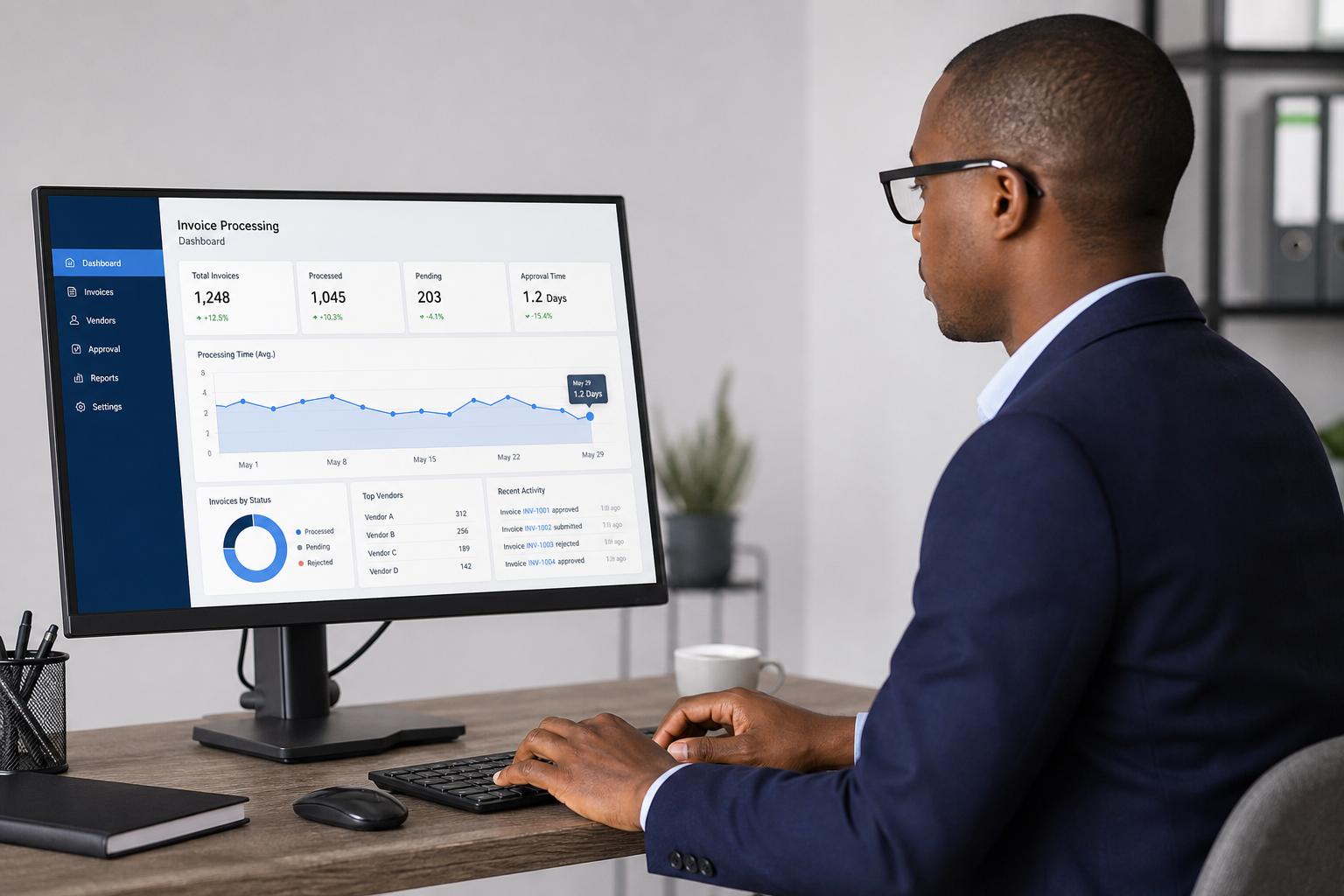
    Automated invoice processing reduces accounts payable cycle times from weeks to minutes by eliminating manual data entry, standardising document intake, and running instant validation checks against enterprise ERP records. In large South African organisations, automated systems ingest supplier invoices across multiple formats, verify South African Revenue Service tax compliance automatically, and route approved payments without human intervention.<

    Bottlenecks in Traditional Accounts Payable Workflows

    Enterprise finance departments handle thousands of supplier documents every month. When processing happens manually, approval queues stall and accounting teams spend hours retyping line items into core accounting platforms. These delays often cause missed early-settlement discounts and strain vendor relationships.

    Manual accounts payable departments face several operational obstacles on a daily basis:

    • Manual data entry errors that require lengthy investigation and reconciliation
    • Slow approval handoffs between branch managers, procurement leads, and head office finance teams
    • Lost physical invoices or unread email attachments sitting in individual employee inboxes
    • Time-consuming manual verifications for South African VAT compliance and vendor banking details

    Core Mechanisms That Accelerate Processing Times

    Implementing modern automated invoice processing in South Africa replaces disjointed, paper-heavy tasks with direct, straight-through digital workflows. Systems extract header and line-level data the moment an invoice arrives, matching the information directly to purchase orders and goods receipt notes.

    Intelligent Data Extraction and Parsing

    Enterprise tools use advanced character recognition and pattern matching to read invoices regardless of their layout. The software extracts essential variables such as tax invoice numbers, line-item quantities, VAT amounts, and supplier banking details instantly. By capturing this data at the source, finance teams bypass the manual capture phase entirely.

    Automated Three-Way Matching and Exception Routing

    When line items, purchase orders, and receiving slips match established tolerances, the system approves the invoice for payment automatically. Staff only intervene when genuine discrepancies appear, such as price variances or incorrect quantities. Reviewing AI-powered invoice processing benefits shows that isolating exceptions allows accounts payable teams to resolve errors in minutes rather than spending days cross-referencing paper receipts.

    System automation speeds up validation through specific checkpoints:

    • Instant matching of unit costs and totals against existing enterprise purchase orders
    • Automated detection of duplicate invoice submissions across all regional branches
    • Direct routing of non-matching invoices to designated category managers for swift sign-off

    Regional Compliance and Operational Continuity

    South African enterprises must adhere to strict tax invoice standards set by SARS. Invoices must contain valid corporate tax numbers, physical addresses, and correct calculation of the standard fifteen percent VAT rate. Automated systems check these fields instantly before posting to the general ledger, reducing audit queries.

    Cloud-hosted accounts payable automation also safeguards operational continuity against regional infrastructure disruptions such as load-shedding or network downtime. Enterprise finance operations remain active across distributed teams regardless of regional power cuts.

    Automated platforms uphold strict accounting controls through defined rules:

    • Real-time verification of supplier VAT registration numbers against official databases
    • Automatic calculation of withholding taxes and municipal levies where applicable
    • Standardised audit trails recording every approval timestamp and system action

    Precision Enterprise Solutions With S2P

    S2P provides specialised accounts payable automation designed to integrate directly with enterprise ERP environments, eliminating manual touchpoints across multi-entity operations. Explore the S2P invoice automation platform to review workflow capabilities, schedule an operational evaluation, or request a system demonstration for your finance team.

    Frequently Asked Questions

    How much time does invoice automation save accounts payable teams?

    Automated systems reduce invoice processing time by up to eighty percent. Straight-through invoices process in seconds, while complex invoices requiring manual approval typically move through the workflow within one business day.

    How does the system handle SARS tax compliance requirements?

    The platform checks each document for required tax invoice elements, including supplier VAT numbers, enterprise buyer details, and accurate standard-rate tax calculations before queuing the invoice for payment.

    Can automated invoice processing integrate with legacy ERP systems?

    Yes. Enterprise automation tools connect to standard enterprise ERPs such as SAP, Oracle, and Microsoft Dynamics using direct APIs or secure data transfers, ensuring continuous two-way synchronisation.

    What happens when an invoice contains pricing discrepancies?

    The system automatically flags the discrepancy and routes the specific line item directly to the relevant buyer or department manager for quick digital review, bypassing manual email threads.

  • How Automated Invoice Processing Cuts Accounts Payable Turnaround for South African Enterprises

    How Automated Invoice Processing Cuts Accounts Payable Turnaround for South African Enterprises

    Automated invoice processing reduces accounts payable processing times for enterprise businesses in South Africa from weeks to hours by eliminating manual data entry, digitising document capture, and executing touchless three-way matching against purchase orders and goods receipts notes. By replacing manual administrative hand-offs with machine learning and automated approval routing, financial teams process complex high-volume invoices instantly while ensuring strict compliance with South African Revenue Service (SARS) tax invoice standards.

    Eliminating Manual Data Capture Bottlenecks

    Large South African corporations handle thousands of supplier invoices monthly across multiple formats, from scanned PDFs to paper slips. Modern invoice intelligence automatically extracts line items, VAT numbers, and banking details with high accuracy. Implementing automated invoice processing in South Africa removes the friction of manual spreadsheet typing, allowing finance teams to avoid backlog pile-ups during month-end closes.

    Automated extraction eliminates processing delays across several daily accounts payable tasks:

    • Instant ingestion of digital documents from dedicated supplier inboxes without manual file handling
    • High-speed optical recognition that captures line-item descriptions, quantities, and Rand values
    • Automatic validation of supplier VAT registration numbers directly against tax rules

    Accelerated Verification and Approval Workflows

    Traditional approval chains stall when paper documents sit on managers desks or get lost in email threads. Automated systems apply rules-based workflows to route invoices straight to designated budget holders based on cost centre, threshold limits, or project codes.

    Automated Three-Way Matching

    Manual reconciliation between purchase orders, delivery notes, and tax invoices consumes hours of departmental time. Automated platforms compare line items, quantities, and pricing instantly. When values match within acceptable tolerances, the system clears the invoice for payment scheduling without requiring human intervention. Understanding the wider AI-powered invoice processing benefits helps enterprise finance leaders identify where exceptions occur so staff only touch mismatched documents.

    Modern matching engines handle standard validation checks automatically:

    • Comparing purchase order values against supplier billing totals
    • Cross-referencing goods receipt records to confirm physical delivery at local warehouses
    • Flagging price discrepancies, duplicate billings, or missing tax invoice identifiers for rapid review

    Managing Local Operational and Regulatory Pressures

    South African enterprises face unique operational hurdles, such as load-shedding disruptions and fluctuating supply chain timelines. When power outages or connectivity drops halt office-based manual review, cloud-based automated systems maintain continuous background queues. Furthermore, meeting strict SARS requirements requires rigorous audit trails and rapid dispute resolution with domestic vendors.

    Enterprise automation protects operational momentum through several key mechanisms:

    • Cloud-hosted queues that continue ingesting and parsing supplier invoices during local infrastructure outages
    • Centralised audit logs that record every approval, edit, and payment status change for tax compliance
    • Automated vendor notification systems that immediately request corrected invoices when tax-required data is missing

    Precision Solutions With S2P

    S2P equips South African enterprise finance teams with intelligent tools designed to cut accounts payable cycle times, eliminate manual errors, and maintain strict governance. By replacing slow manual entry with automated document reading, matching, and ERP synchronisation, your organisation speeds up supplier settlements and captures early settlement discounts. Connect with S2P to transform your accounts payable operations into a lean, efficient finance hub.

    Frequently Asked Questions

    How much time can an enterprise save by automating invoice processing?

    Most enterprise businesses cut their average invoice turnaround time by 60 to 80 percent, taking standard invoice lifecycles down from 15 to 20 days to less than two days.

    How does automated invoice processing support SARS compliance?

    The software validates necessary tax invoice components, including the registered business name, address, VAT number, and clear breakdown of standard-rated supplies, ensuring audit readiness before payments post to the general ledger.

    Can automated accounts payable systems integrate with existing ERP platforms?

    Yes, modern platforms integrate directly with major ERP systems like SAP, Oracle, and Sage, automatically synchronising master vendor records, purchase orders, and general ledger codes.

    What happens when an invoice contains errors or pricing discrepancies?

    The platform isolates the exception and routes an alert directly to the relevant procurement or finance officer with the discrepancy highlighted, allowing rapid resolution without delaying the rest of the payment batch.

  • Why Finance Teams in South Africa Adopt Automated Invoice Processing for ERP Integration and Vendor Workflows

    Why Finance Teams in South Africa Adopt Automated Invoice Processing for ERP Integration and Vendor Workflows

    South African finance teams are turning to automated invoice processing to eliminate manual data entry, accelerate approval cycles across distributed teams, and maintain real-time synchronisation with core ERP platforms. With strict SARS tax invoice compliance rules and frequent operational bottlenecks caused by load-shedding, accounts payable departments cannot afford slow, paper-heavy workflows. Modern automation connects incoming supplier bills directly to accounting ledgers, ensuring accurate data extraction, faster matching, and transparent supplier communication.

    Manual invoice handling creates costly bottlenecks, from lost documents to delayed approvals that strain supplier relationships. By implementing automated invoice processing in South Africa, finance departments replace repetitive administration with direct, rule-based workflows.

    Eliminating Accounts Payable Bottlenecks

    Entering line items manually from scanned PDFs or paper documents consumes valuable accounting hours and invites human error. Automated systems capture invoice headers, line items, and tax amounts instantaneously, comparing them against purchase orders and delivery notes. This automated three-way matching flags discrepancies immediately so staff only spend time investigating genuine exceptions.

    Finance managers gain clear visibility into liabilities when accounts payable teams modernise their verification steps:

    • Instant extraction of line-item details from multi-page digital documents and scanned paperwork.
    • Automated matching against purchase orders and goods received vouchers before posting.
    • Configurable approval matrices that route non-standard expenses directly to designated cost centre managers.

    Bridging the Gap Between Supplier Portals and Core ERP Platforms

    Many South African enterprises run sophisticated ERP platforms such as SAP, Syspro, Sage Evolution, or Sage Intacct, yet their accounts payable data entry remains largely manual. Automated processing tools act as an intelligent bridge, capturing unstructured invoice formats and transforming them into structured general ledger entries without manual re-keying.

    Handling Local Tax and Regulatory Compliance

    South African Revenue Service (SARS) regulations demand strict compliance for valid tax invoices, including correct vendor registration details, valid VAT numbers, and matching company names. Modern invoice software automatically verifies these fields before posting transactions, protecting organisations from disallowable input tax claims during audits.

    Mitigating Operational Disruptions and Delays

    Power cuts, connectivity drops, and remote work arrangements often disrupt traditional paper routing. Cloud-native invoice workflows keep approvals moving on any device, ensuring that accounting operations stay on track despite infrastructure challenges.

    Modern platforms safeguard daily operations through specific controls:

    • Automated verification of supplier VAT credentials against SARS compliance rules.
    • Continuous cloud processing during local power interruptions to prevent administrative backlogs.
    • Centralised digital archives that simplify annual audits and internal reviews.

    Strengthening Vendor Workflows and Cash Flow Management

    Late payments damage vendor trust and lead to credit holds that interrupt supply chains. Exploring the proven ai-powered invoice processing benefits shows how automated tools speed up approval turnaround times, allowing organisations to capitalise on early settlement discounts and maintain strong supplier partnerships.

    Standardising vendor intake workflows delivers measurable operational gains:

    • Faster processing times that allow finance leaders to take advantage of prompt settlement terms.
    • Self-service tracking and clear status updates that reduce incoming vendor payment queries.
    • Automated duplicate invoice detection that prevents accidental overpayments.

    Precision Solutions With S2P

    Managing high-volume supplier transactions across complex ERP environments requires reliable technology built for speed and precision. The S2P AI invoice automation platform integrates directly into your existing enterprise software, cutting cycle times from days to minutes while ensuring full regulatory compliance. Speak with our team to modernise your accounts payable operations and gain complete control over your procurement workflow.

    Frequently Asked Questions

    How does automated invoice processing integrate with existing ERP systems?

    Modern solutions connect directly through secure APIs or dedicated data connectors to systems like SAP, Syspro, and Sage. Once an invoice passes validation and approval, the transaction data posts directly into the general ledger without manual intervention.

    Can invoice automation handle South African VAT and SARS compliance?

    Yes. The software checks tax invoice standards set by SARS, verifying supplier VAT registration numbers, correct tax rates, and full vendor details before passing records to approval queues.

    What happens when an invoice does not match the purchase order?

    The system flags the variance based on pre-set tolerance thresholds and alerts the responsible procurement officer or budget holder to resolve the mismatch before payment is authorised.

    How quickly can a finance department deploy an automated processing system?

    Cloud-based solutions can be configured within days or weeks, depending on workflow complexity and ERP integration requirements, delivering immediate operational improvements.