Author: Brad

  • Where to Buy Electrical Supplies in Rustenburg: A Local Trade Guide

    Where to Buy Electrical Supplies in Rustenburg: A Local Trade Guide

    You can buy electrical supplies in Rustenburg directly from AKT Shop, situated conveniently on Old Johannesburg Road (R24). Whether you need domestic wiring, circuit breakers, backup power components, or commercial installation gear, the store supplies trade-tested components built to handle regional grid conditions and SANS standards. Sourcing your materials locally saves hours of driving toward Gauteng or waiting on freight deliveries while a job stands idle.

    Core Electrical Inventory Available in Rustenburg

    Local wiring jobs and building maintenance demand tested components that comply strictly with SANS 10142-1 regulations. Sourcing reliable stock ensures safety, durability, and smooth compliance sign-offs:

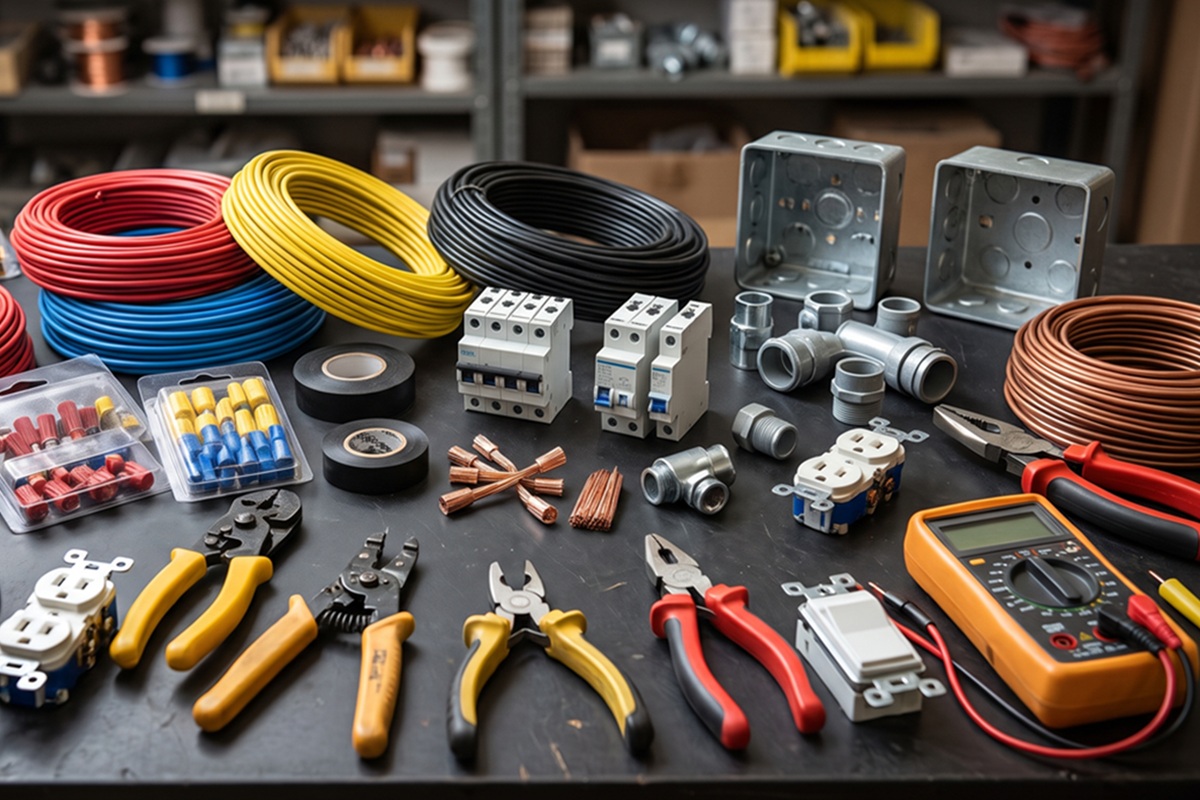
    • Circuit protection hardware, including miniature circuit breakers, earth leakage units, and main isolators.
    • Surface and flush distribution boards suitable for residential additions, workshops, and commercial premises.
    • Heavy-duty electrical cables, rigid conduit piping, twin-and-earth wire, and submersible pump cables.
    • Wall switches, dedicated wall sockets, weatherproof exterior plugs, and industrial couplers.

    Meeting Local Power Demands and Grid Fluctuations

    Operating electrical infrastructure in the North West requires hardware capable of handling harsh environmental factors. High summer temperatures, sudden Highveld lightning storms, and frequent switching spikes from load-shedding put immense strain on residential and commercial circuits.

    Surge Protection and System Safeguards

    Erratic power spikes easily damage inverter control cards, gate automation, and refrigeration units. Installing Type 2 surge protection devices directly in the main distribution board diverts excessive transient voltage harmlessly into the earth. Choosing top-grade protection units protects valuable machinery and prevents premature equipment breakdown during utility restarts.

    Backup Power and Renewable Energy Components

    Solar arrays and inverter battery installations are now standard features across Rustenburg properties. Setting up a dependable backup system requires high-spec materials capable of carrying sustained direct currents.

    When planning a resilient power installation, secure these fundamental components:

    • Pure sine wave hybrid inverters paired with high-capacity lithium iron phosphate battery banks.
    • Manual and automatic changeover switches designed to isolate municipal lines from auxiliary power safely.
    • DC circuit breakers, high-voltage solar disconnect switches, and heavy-gauge battery link cables.
    • Weather-sealed combiner boxes, UV-stabilised DC wiring, and aluminium solar mounting brackets.

    Key Factors When Choosing a Local Electrical Supplier

    Not every hardware counter carries professional-grade electrical stock. Working with a dedicated supplier ensures you receive hardware that passes municipal inspections and qualifies for a Certificate of Compliance (CoC).

    Before buying materials for your next installation, assess your supplier against these practical points:

    • Stock availability: Sourcing your wire, trunking, and circuit breakers from a single location keeps jobs on schedule.
    • Verified safety ratings: Every breaker and cable drum must carry genuine SABS or IEC certification marks.
    • Technical familiarity: Counter staff who understand local requirements help you select correct cable cross-sections and breaker curves.
    • Access to automation: Sourcing garage automation, gate motors, and security accessories in the same trip saves substantial project time.

    You can review current stock and product availability on the AKT Shop online platform prior to collecting your order on site.

    Electrical Supplies From AKT Shop

    AKT Shop addresses the specific demands of the Rustenburg community by stocking dependable electrical, automation, and security equipment in one convenient location. From wiring a new residential dwelling in Safari Gardens to maintaining heavy equipment near industrial parks, the store provides verified components designed for long-term performance. Click the button below to shop now.

    FAQs

    Where is AKT Shop located in Rustenburg?

    AKT Shop is located along Old Johannesburg Road (R24) in Rustenburg. This position allows easy access for contractors based in town as well as tradespeople traveling from neighbouring mining operations, agricultural holdings, and surrounding North West areas.

    Can private homeowners purchase supplies from AKT Shop?

    Yes. Both licensed electrical contractors and homeowners tackling DIY upgrades can buy directly from the store. Staff can assist in identifying the right replacement breakers, sockets, cables, or gate automation parts for your specific application.

    Why must electrical components meet SABS standards?

    Under South African law and SANS 10142-1 standards, an accredited electrician cannot issue a valid Certificate of Compliance (CoC) if non-compliant hardware is used. Certified parts guarantee safe operation, prevent fire hazards, and satisfy property insurance terms.

    Does AKT Shop stock garage and gate motor accessories?

    Yes. Beyond standard electrical supplies and distribution panels, AKT Shop stocks automatic gate operators, roll-up and sectional garage door motors, backup batteries, remotes, and surveillance systems from leading industry brands.


  • Plumber near Me in Randburg: Fast Local Plumbing Services

    Plumber near Me in Randburg: Fast Local Plumbing Services

    Finding a qualified plumber near you in Randburg comes down to response speed, verified licensing, and practical experience with local municipal water systems. When pipes burst or geysers fail in neighbourhoods like Blairgowrie, Ferndale, or Cresta, you need a local contractor who arrives quickly with the correct fittings to halt water damage immediately.

    What to Expect from a Trusted Local Randburg Plumber

    Hiring someone based nearby cuts dispatch times and ensures your technician understands local infrastructure challenges, from fluctuating municipal pressure along Republic Road to mineral scale build-up in older geysers. Working with experienced Randburg plumbing specialists guarantees that your installations and repairs comply with national SANS building standards.

    A reputable local technician brings distinct advantages to every callout:

    • Rapid arrival windows across Randburg suburbs during unexpected water emergencies
    • Direct stock of standard brass fittings, valves, and geyser components suited to regional homes
    • Working knowledge of Joburg Water supply disruptions and line pressure shifts
    • Accredited compliance certification for insurance claims on burst water heaters and structural pipe damage

    Common Residential Plumbing Issues Across Randburg

    Randburg homes face a distinct set of plumbing stresses linked to property age, seasonal soil movement, and municipal maintenance schedules. Clay soil shifts in areas like Bordeaux and Robin Hills can crack aging underground clay or copper waste pipes, while sudden pressure drops strain internal seals.

    Burst and Faulty Geysers

    Power cuts and sudden electrical restoration can burn out heating elements and thermostats. Sudden water pressure surges following supply outages frequently rupture aging geyser tanks, requiring immediate isolation and rapid replacement.

    Blocked Drains and Root Infiltration

    Mature gardens across older Randburg properties mean invasive tree roots routinely penetrate exterior sewer connections. Grease accumulation in kitchen waste lines and cracked earthenware pipes also lead to severe drainage backups.

    Recognising early warning signs helps you address problems before waste water damages your home:

    • Gurgling sounds coming from shower drains or toilet bowls after emptying a basin
    • Slow drainage in kitchen sinks accompanied by unpleasant sewer odours
    • Damp patches or blistered paint on walls backing onto bathroom pipe stacks
    • Unexplained increases in your monthly municipal water charges without extra household consumption

    Emergency Steps to Take Before Your Plumber Arrives

    Taking immediate control of your home plumbing system minimizes water loss and structural damage while your technician is on the road. Every homeowner should know the precise location of their main water shut-off valve near the municipal meter.

    Follow these essential steps as soon as you detect a serious leak or burst pipe:

    • Shut off the main municipal stopcock at your boundary wall to cut the incoming water supply
    • Switch off the geyser breaker on your electrical distribution board to prevent heating element burnout
    • Open garden taps at the lowest point of the property to drain standing water from internal lines
    • Clear carpets, furniture, and electronics away from affected rooms to prevent secondary moisture damage

    Precision Solutions With Tsukudu Plumbing

    Tsukudu Plumbing provides dependable, prompt plumbing care designed around the needs of Randburg homeowners and businesses. Whether you need urgent geyser replacement, precision drain unblocking, or routine valve maintenance, our team arrives fully equipped to resolve the issue properly on the first visit. Reach out through our online contact page to book a callout or request rapid assistance.

    Frequently Asked Questions

    How quickly can a local plumber arrive in Randburg?

    Average response times for local callouts range between 30 and 60 minutes for urgent emergencies, depending on traffic conditions along major routes like Malibongwe Drive and Beyers Naudé Drive.

    Are your plumbers registered with the PIRB?

    Yes, qualified plumbers hold registration with the Plumbing Industry Registration Board, ensuring all installations, pressure valves, and geysers receive official certificates of compliance.

    Why did my geyser burst after water supply returned?

    When municipal water returns after an outage, air pockets in the mains pipework create intense pressure spikes known as water hammer. These sudden surges strike cold geyser tanks, cracking weakened seams or split internal glass linings.

    How can I tell if I have an underground water leak?

    Shut off all taps and appliances inside your house, then examine your municipal water meter. If the meter dial or digital display continues moving while no water is in use, water is leaking through underground supply pipes or concealed wall lines.

  • (TEST)Plumber Near Me in Randburg: Local Rates and Hiring Guide

    (TEST)Plumber Near Me in Randburg: Local Rates and Hiring Guide

    Finding a qualified plumber near you in Randburg requires balancing rapid emergency response with certified competence and clear pricing. Typical daytime call-out fees in the Randburg area range from R300 to R650, with hourly labour rates between R400 and R900. Tsukudu Plumbing delivers prompt dispatch within 30 to 60 minutes across Randburg, offering upfront quotes and certified workmanship to resolve urgent plumbing emergencies.

    What a Plumber Near Me Search Actually Means for Randburg Homeowners

    Searching for a ‘plumber near me’ usually happens during an urgent crisis: an overflowing toilet, water leaking through a ceiling from a ruptured geyser, or a cracked pipe flooding a garden. In other situations, property owners need certified compliance paperwork for property transfers or insurance validation.

    Randburg features diverse housing styles. Older suburbs like Ferndale and Blairgowrie often retain vintage copper or galvanised pipe networks, whereas newer developments feature modern high-pressure systems. When plumbing failures happen, homeowners cannot wait hours for help from across Gauteng. They need rapid local arrival, clear pricing, and qualified professionals who resolve problems properly on the first visit.

    Key Takeaway: Most plumber near me searches in Randburg come from urgent, stressful situations where speed, fair pricing, and proper qualifications matter most.

    Standard Plumbing Rates in Randburg: Call-Out Fees and Hourly Labour

    Understanding regional pricing structures protects homeowners from surprise invoices and inflated charges. Across Randburg and greater Johannesburg, professional plumbing costs consist of an initial call-out fee and hourly labour charges.

    Standard daytime rates in the local market follow these benchmarks:

    • Call-out fee range: Standard call-out fees fall between R300 and R650 during regular business hours, though peak travel times can push baseline diagnostics toward R950.
    • Hourly labour rates: Daytime labour costs between R400 and R900 per hour, depending on technical difficulty and equipment needed.
    • Diagnostic assessment: A standard call-out covers vehicle travel, arrival, and initial diagnosis of the fault.

    Always verify whether a quoted call-out fee includes the first hour of labour. Some contractors bill call-outs separately before starting the labour clock. Reputable teams, including Tsukudu Plumbing, provide clear, fixed upfront estimates so you know the exact cost before work commences.

    Key Takeaway: Always confirm whether a plumber call-out fee includes the first hour of labour before agreeing to a job.

    Emergency Plumbing Costs: What to Expect After Hours

    Plumbing emergencies rarely happen at convenient hours. A burst water pipe on a Sunday or a ruptured geyser at midnight requires rapid intervention to prevent severe structural damage and mould. Because after-hours service requires dedicated standby teams, emergency rates reflect this prompt response.

    In Randburg, emergency labour rates generally range from R600 to R1,300 or more per hour. For severe late-night incidents or holiday dispatches, total emergency dispatch fees can reach up to R2,500. This premium accounts for rapid mobilisation, after-hours supplier access, and urgent repairs.

    When dealing with an active leak, take immediate action before your technician arrives. Turn off your main water stopcock near your boundary meter. If a geyser is leaking, switch off the geyser isolator switch on your electrical distribution board to prevent element burnout. Tsukudu Plumbing prioritises urgent calls with a 30 to 60 minute dispatch target across Randburg, helping you contain damage swiftly.

    Key Takeaway: Shutting off your main water supply immediately can limit damage and reduce costs while you wait for a plumber to arrive.

    How to Vet a Local Plumber: Compliance and Qualifications That Matter

    Hiring an unvetted contractor can lead to substandard repairs, regulatory issues, and repudiated insurance claims. Plumbing in South Africa is governed by National Building Regulations (SANS 10400), City of Johannesburg water bylaws, and Pressure Equipment Regulations. These standards ensure pressurised geysers operate safely and prevent municipal water contamination.

    Use this four-point checklist before hiring any plumbing contractor:

    • PIRB registration: Verify the plumber is registered with the Plumbing Industry Registration Board, authorising them to issue legal compliance paperwork.
    • IOPSA affiliation: Check for membership with the Institute of Plumbing South Africa, which binds contractors to professional codes and offers consumer recourse.
    • Upfront quotation: Request a clear, fixed quote outlining labour, call-out, and materials before work starts.
    • Compliance certification: Ensure the contractor provides an official Certificate of Compliance upon completing major geyser or drainage work.

    A Certificate of Compliance is mandatory for property transfers and insurance claims. If an unregistered contractor installs a geyser and it subsequently leaks, your insurer may decline the claim due to uncertified installation.

    Key Takeaway: A plumber without PIRB registration cannot legally issue a Certificate of Compliance, so always confirm this before hiring.

    Common Randburg Plumbing Jobs and Realistic Price Benchmarks

    Knowing realistic project costs helps Randburg property owners budget effectively and identify inaccurate quotes. Extremely low estimates often signal unlicensed labour, inferior fittings, or hidden charges.

    Typical market benchmarks for standard residential plumbing jobs in Randburg include:

    • Drain repairs: Clearing standard blockages requires regular labour fees, while replacing a collapsed underground drain in suburbs like Randpark Ridge averages around R4,500.
    • Geyser replacement: A standard 150-litre electric geyser installation, complete with safety valves, drip tray, and a PIRB certificate, generally starts from R8,500 upwards.
    • Pressure Control Valve replacement: Upgrading a faulty pressure control valve ensures municipal pressure surges do not rupture water cylinders.
    • General fixture repairs: Repairing leaking taps or replacing faulty toilet mechanisms typically takes one to two hours of standard labour plus replacement parts.

    Older Randburg properties frequently need pressure valve updates to prevent aged infrastructure from failing under fluctuating municipal water pressures.

    Key Takeaway: Knowing realistic local price benchmarks helps Randburg homeowners avoid both overpaying and suspiciously low quotes.

    Why Choose Tsukudu Plumbing in Randburg

    When plumbing troubles strike, you need a dependable local service with technical expertise and honest pricing. Tsukudu Plumbing assists homeowners and businesses throughout Randburg, including Blairgowrie, Ferndale, Randpark Ridge, and Franklin Roosevelt Park.

    Our team handles emergency geyser failures, stubborn blocked drains, fixture repairs, and commercial maintenance. We provide transparent, fixed upfront pricing without hidden surprises, paired with a rapid dispatch target of 30 to 60 minutes across the region.

    Every repair complies with SANS standards and municipal bylaws. With certified PIRB oversight and guaranteed workmanship, your property remains fully protected. Review our plumbing services in Randburg or contact our team via our contact form to schedule a prompt inspection.

    Key Takeaway: Tsukudu Plumbing combines fast local response with full PIRB and IOPSA compliance so Randburg homeowners can hire with confidence.

    Frequently Asked Questions

    How much does a plumber cost per hour in Randburg?

    Standard daytime plumbing labour in Randburg ranges from R400 to R900 per hour. After-hours and emergency repairs generally cost between R600 and R1,300 or more per hour.

    What is a call-out fee and does it include labour?

    A call-out fee covers travel and initial diagnostics, typically between R300 and R650. It does not always include the first hour of labour, so verify this before booking.

    How quickly can a plumber reach me in Randburg?

    Local teams like Tsukudu Plumbing offer rapid emergency dispatch targets of 30 to 60 minutes across Randburg suburbs.

    What should I do while waiting for an emergency plumber?

    Turn off your main water stopcock, shut off the electrical isolator switch to your geyser, and move valuables away from the affected area.

    Do I need a Certificate of Compliance for plumbing work?

    Yes, a PIRB Certificate of Compliance is legally required for geyser replacements, major alterations, property sales, and insurance claims.

    How do I know if a plumber is properly qualified?

    Confirm the plumber holds valid registration with the Plumbing Industry Registration Board (PIRB) and preferably belongs to IOPSA.

    How much does a geyser replacement cost in Randburg?

    Replacing a standard 150-litre geyser with compliant safety valves, drip tray, and a PIRB certificate generally starts from R8,500 upwards.

    Why are emergency plumbing call-outs more expensive?

    Emergency call-outs require standby teams, unsociable hours, rapid travel, and after-hours access to replacement components.

    What is a Pressure Control Valve and why does my home need one?

    A Pressure Control Valve manages incoming municipal water pressure, preventing dangerous surges from rupturing your hot water geyser.

    How can I avoid being overcharged by a plumber?

    Ask for a fixed upfront quote, check whether call-out fees include labour, verify local price benchmarks, and hire PIRB-registered professionals.

    Glossary of Key Terms

    • PIRB Certificate of Compliance (COC): An official document confirming plumbing work meets SANS regulations and municipal bylaws.
    • Call-Out Fee: A baseline charge covering technician travel, vehicle overheads, and initial fault diagnostics.
    • Plumbing Point: A single water fixture or drainage outlet used as a standard unit for project estimates.
    • Cross-Connection: An unwanted link between clean drinking water and contaminated wastewater systems.
    • Pressure Control Valve (PCV): A safety device regulating incoming municipal water pressure to protect geyser cylinders.
    • Plumbing Industry Registration Board (PIRB): The South African regulatory body that registers qualified plumbers and oversees compliance.
    • Institute of Plumbing South Africa (IOPSA): A voluntary national organisation promoting industry ethics, technical standards, and consumer protection.
  • Can Old Stains and Yellowing Be Removed From a Carpet?

    Can Old Stains and Yellowing Be Removed From a Carpet?

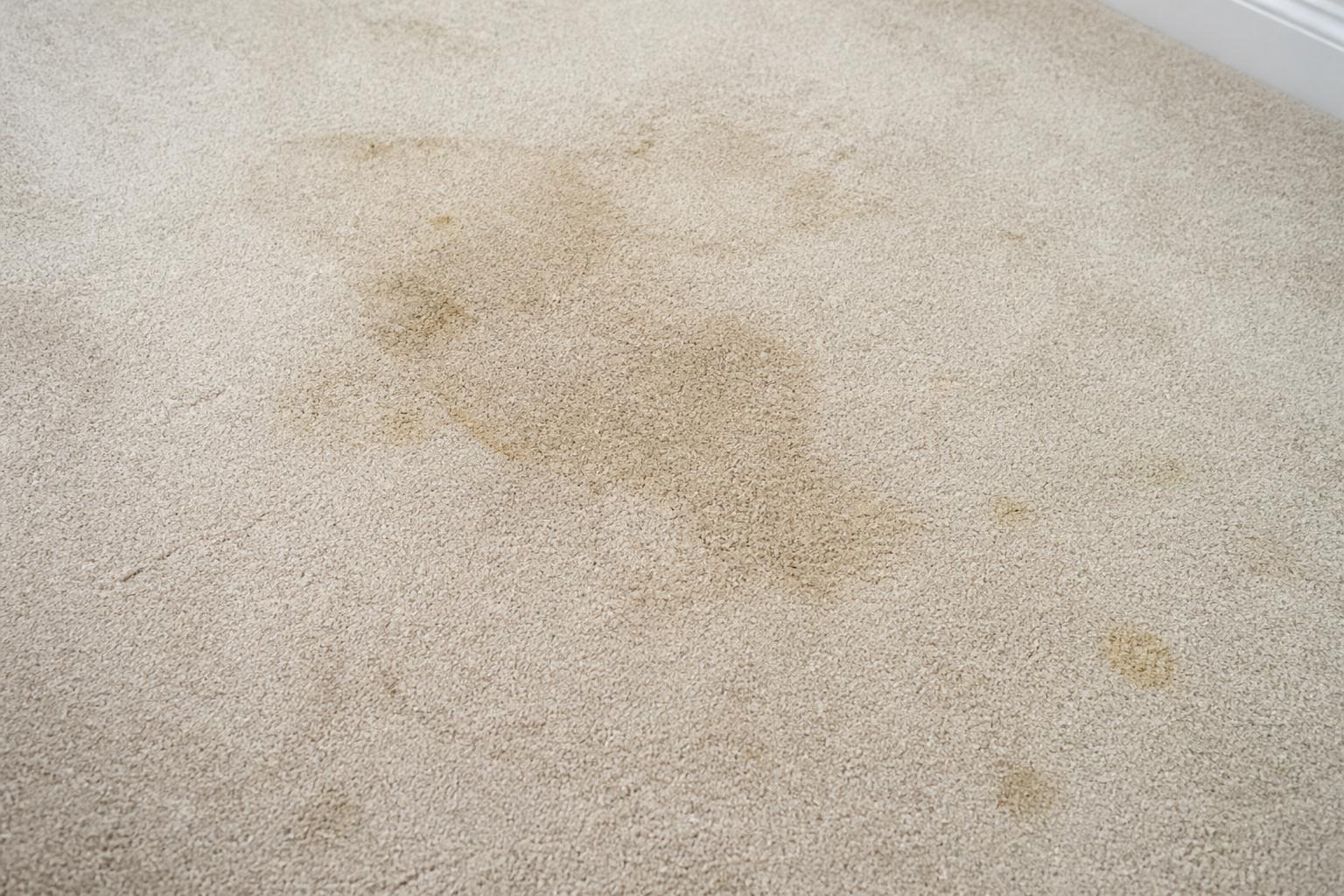
    Yes, old stains and yellowing can frequently be removed or significantly reduced, but success depends on whether the carpet fibre is merely soiled or chemically altered. Organic spills, dried pet urine, and tracked-in red Highveld soil respond well to specialised treatments. However, permanent fibre degradation caused by intense ultraviolet light or aggressive bleach cannot simply be washed away; it requires targeted chemical neutralisation or professional colour restoration.

    Understanding What Causes Carpet Yellowing and Persistent Discolouration

    Discolouration is rarely just surface dirt. Over time, heat, ambient humidity, and tracked contaminants trigger chemical reactions inside carpet pile. In Johannesburg homes, dry winter dust combined with intense sunlight accelerates this degradation, turning once-neutral carpets into patchy, yellowed surfaces.

    Several distinct environmental and chemical factors trigger persistent carpet yellowing across Gauteng homes:

    • Highveld UV exposure, which breaks down dye molecules on carpet areas near north-facing windows and sliding patio doors
    • Pet urine crystallisation, where uric salts become increasingly alkaline over months and cause permanent chemical scorch marks
    • Alkaline detergent residue left behind by hire-machines or grocery store spot cleaners, which turns brown or yellow as it oxidises
    • Phenolic yellowing, caused by butylated hydroxytoluene (BHT) off-gassing from foam underlays under heavy furniture with limited airflow

    Why Urine and Tannins Turn Yellow Over Time

    When pet urine or beverages like tea and coffee first soak into carpet, they are mildly acidic. As they dry, water evaporates and leaves behind concentrated acid or alkaline salts. Over weeks and months, these deposits undergo oxidation. In the case of pet urine, bacteria convert urea into ammonia, driving the pH level above 10. That extreme alkalinity acts like a slow bleach on nylon and wool fibres, stripping away blue and red dye components and leaving behind bright yellow patches.

    Professional Restoration Techniques for Deep-Set Stains

    Rinsing an old stain with hot water is rarely enough to correct stubborn colour shifts. Removing aged residue demands precise chemical management to dissolve bound crystals without burning the pile. Technicians match specific chemistry to the origin of the stain before applying heated extraction.

    Qualified technicians rely on targeted chemistry to correct specific discolouration problems:

    • Mild acid rinsing to break down alkaline urine crystals and neutralise the pile
    • Controlled oxidisation treatments to dissolve stubborn organic tannins like red wine, tea, and rooibos
    • Reducing agents to chemically strip synthetic food dyes and heat-set pigment spills
    • Hot water extraction at controlled pressures to draw out deep particulate soil without soaking the backing

    For carpets plagued by years of accumulated grease and grime, using deep carpet cleaning methods for stubborn stains ensures the extraction process reaches the root of the problem without damaging delicate fibres.

    Targeted Acid Spotting for Cellulose Browning

    When natural backings like jute get wet, lignin bleeds upward into the surface tips, producing an unsightly yellow or brown hue known as cellulosic browning. Standard soapy water only makes this reaction worse. Professional cleaners neutralise this problem by misting an acidic corrective rinse across the affected area, shifting the carpet back to a balanced pH of 4.5 to 5.5 and visibly reversing the yellow cast as the fibres dry.

    Why Everyday DIY Methods Often Worsen Carpet Discolouration

    Most homeowners reach for baking soda, dishwashing liquid, or off-the-shelf foaming spotters when a stain reappears. While well-intentioned, these store-bought remedies regularly turn a manageable stain into a permanent defect.

    Off-the-shelf treatments often backfire due to three main errors:

    • Setting the stain permanently by scrubbing aggressively or applying boiling water directly to protein spills
    • Leaving sticky detergent residues that act as dirt magnets for fine red dust and everyday foot traffic
    • Overwetting the underlay, which triggers secondary backing browning and musty indoor odours

    High-alkaline soap bars and generic spotters often strip the stain-resistant coatings applied at carpet mills. Once that protective barrier disappears, the fibre absorbs future spills like a sponge. In addition to preserving carpet appearance, thoroughly flushing out these embedded deposits through professional carpet cleaning to improve indoor air quality eliminates the allergens and fine particulate dust trapped beneath furniture.

    Understanding the Investment for Specialist Stain Removal

    Simple surface cleans cost less than deep chemical neutralisation because restorative work takes extra time, specialised spotting agents, and multiple extraction passes. When budgeting for restorative treatments, property owners should consider the scope of the damage rather than expecting a flat per-room rate.

    Several key elements determine the final quote for specialist stain treatment:

    • The total area requiring treatment and the accessibility of the rooms
    • The carpet fibre construction, as wool demands delicate pH balancing compared to durable polypropylene
    • The chemical history of the carpet, including prior DIY cleaning chemicals that must first be flushed out
    • The need for sanitising subfloor injections to treat pet urine that has penetrated the underlay

    Reviewing current professional carpet cleaning rates in Johannesburg provides a clear picture of what standard extraction versus advanced stain recovery entails.

    Precision Restoration With Carpet Cleaning Central

    Old stains and discolouration do not always mean you need to replace your flooring. Carpet Cleaning Central brings industrial equipment, spot-testing precision, and specialised neutralising treatments directly to your door across Johannesburg. Whether dealing with pet accidents, sun-baked soil, or stubborn yellowing, our team evaluates fibre integrity to deliver the best possible outcome. Contact Carpet Cleaning Central today through our website to discuss your carpet restoration needs and request a free quote.

    Frequently Asked Questions

    Can yellow pet urine stains on wool carpets be completely removed?

    If caught before the ammonia has chemically altered the wool dye, urine deposits can usually be removed. However, if the urine sat untreated for months, it may have permanently stripped the blue and red dyes from the wool. In those instances, the urine crystals can be fully sanitised and deodorised, but faint yellow staining might require professional spot dyeing.

    Does standard steam cleaning remove yellowing from sunlight?

    No. Sunlight destroys dye molecules through photo-oxidation, creating physical fibre damage rather than dirt accumulation. Steam cleaning cleans the fibres and removes surface grime, but it cannot restore pigment that has been degraded by ultraviolet rays.

    Why do old stains reappear after the carpet dries?

    Stains reappear due to wicking. When liquid penetrates deep into the carpet underlay, surface cleaning removes only the visible top layer. As the carpet dries, moisture from the backing moves upward toward the dry fibre tips via capillary action, pulling dissolved soil and old residue back to the surface.

    How long will it take for carpets to dry after stain treatment?

    Under typical Johannesburg conditions, carpets dry within four to six hours. Using high-velocity air movers and extraction machinery minimises moisture retention, allowing you to walk on treated areas the very same day.

  • Can Old Stains and Yellowing Be Removed From a Carpet?

    Can Old Stains and Yellowing Be Removed From a Carpet?

    Yes, most old stains and yellowing can be removed or substantially lightened, provided the carpet fibres have not suffered irreversible chemical damage or permanent colour loss. The secret lies in identifying whether the discolouration stems from surface residue, fibre oxidation, or alkaline burn, and then applying targeted extraction methods rather than generic shop-bought foam cleaners.

    Understanding What Causes Carpet Yellowing and Stubborn Stains

    Old marks settle deep into carpet backing over time, while yellowing often results from specific chemical reactions rather than plain dirt. Highveld weather patterns also play a role, as alternating dry winter dust storms and humid summer thunderstorms drive airborne soils into the pile. Identifying the underlying cause dictates the exact chemistry needed to restore the pile:

    • Browning from over-wetting, which happens when jute or cellulosic carpet backings remain damp for too long and wick lignin up to the surface tips.
    • Alkaline detergent residue, caused by DIY carpet powders or spot removers that leave behind sticky salts with a pH that attracts dirt and turns yellow over time.
    • Pet urine oxidation, where dried uric acid salts crystallise, bond with synthetic or wool fibres, and create stubborn dark yellow rings.
    • Direct sunlight exposure and environmental oxidation, which degrade carpet protectants and break down light-sensitive dyes, especially in north-facing rooms.

    How Age Affects Stain Removal Success Rates

    Time is the primary enemy of carpet restoration. When a spill sits unattended, it transitions from a simple surface liquid into a chemically bonded stain. Spills containing tannins, food colourants, or animal fats undergo slow oxidation, physically altering the dye sites in nylon, polyester, and wool.

    Synthetic Fibres Versus Wool Under Restoration

    Polypropylene and solution-dyed nylon respond exceptionally well to corrective rinsing because their colour runs through the entire fibre extrusion. Wool, on the other hand, is an organic protein fibre that demands strict pH balance; excessive heat or harsh alkaline cleaners will scorch wool fibres permanently yellow. Understanding fibre composition helps technicians select deep carpet cleaning methods for stubborn stains in Johannesburg that loosen embedded particles without scorching the material.

    Proven Methods for Reversing Yellowed Fibres and Old Marks

    Eliminating aged stains requires precise chemical reversal rather than aggressive scrubbing, which only frays delicate yarn tips. Professional stain reversal relies on a controlled, multistep protocol:

    • Application of an acid-rinse neutraliser to counteract high alkalinity and immediately reverse cellulosic browning.
    • Enzymatic treatment to digest ancient protein bonds, dried milk, blood, and pet deposits at the molecular level.
    • Oxidising agents specifically formulated for carpet to gently lift yellow plant tannins, coffee rings, and red wine residues.
    • High-temperature hot water extraction using industrial truck mounts to flush out dissolved contaminants from the backing without over-saturating the underlay.

    Thorough extraction does more than just brighten dull fibres; stripping away years of trapped dander and degraded organic materials directly impacts how professional carpet cleaning in Johannesburg improves indoor air quality across your living spaces.

    When a Carpet Cannot Be Fully Restored

    While specialised chemistry achieves remarkable results, certain scenarios cause permanent fibre degradation that cannot be washed away. Knowing the difference protects you from spending money on treatments that cannot reverse permanent structural damage:

    • Bleach or chemical dye loss, where household disinfectants or acne treatments have stripped away the original factory colour pigments.
    • Heat friction damage, where dragging heavy furniture has melted synthetic fibres, creating permanent brownish-yellow sheen patterns.
    • Severe sun fading, which permanently bleaches dye molecules beyond the reach of topical spot treatments.
    • Decades-old pet accidents that have degraded carpet underlay and rotted backing latex completely.

    Before commissioning treatment for large open areas, review how much carpet cleaning costs in Johannesburg so you can weigh restoration against replacement options with clear figures.

    Professional Carpet Cleaning With Carpet Cleaning Central

    Carpet Cleaning Central brings advanced fibre diagnostic tools and specialised pH neutralisers directly to homes and offices across Johannesburg. Our technicians assess fibre integrity on-site, test pH levels, and deploy hospital-grade hot water extraction systems that lift ancient marks without soaking your subfloors. Click the button below to restore colour, texture, and freshness to your flooring.

    FAQs

    Can yellow stains from pet urine be completely removed?

    Fresh and moderate urine deposits can usually be removed completely. Very old deposits require sub-surface acid extraction to dissolve dried salt crystals and special oxidisers to neutralise the yellow pigment. If the acid has bleached the carpet dye, spot-dyeing or a minor carpet repair patch may be necessary.

    Why did my carpet turn yellow after DIY spot cleaning?

    Most supermarket spot cleaners have a high alkaline pH. If you do not completely extract the detergent, the residue attracts soil and causes cellulosic browning. A dedicated acidic rinse neutralises the alkalinity and typically reverses the yellow tint quickly.

    Will steam cleaning make old stains worse?

    Hot water extraction will not worsen stains if performed properly with correct pre-treatments. However, applying high heat to untreated protein or tannin stains without the right corrective solutions can cook the stain into the fibre, which is why professional chemical balancing before extraction is vital.

    How long does it take for carpets to dry after stain correction in Johannesburg?

    In Johannesburg dry winter conditions, carpets typically dry within two to four hours. During humid summer months or after heavy rain, drying times can extend to six hours. Using industrial air movers and adequate ventilation speeds up the process significantly.

  • How Long Does a Carpet Cleaning Appointment Take?

    How Long Does a Carpet Cleaning Appointment Take?

    A standard professional carpet cleaning appointment takes between 1.5 and 3 hours for an average three-bedroom home in Johannesburg. Individual rooms generally require 20 to 30 minutes, while compact one-bedroom flats often wrap up in under an hour. These timeframes represent the active cleaning procedure; complete drying requires an additional 4 to 8 hours depending on ventilation, air temperature, and pile density.

    Key Factors That Dictate Appointment Length

    While overall floor area gives a solid estimate, several practical conditions on the property dictate how long technicians spend working on site:

    • The total square meterage and floor plan complexity across rooms
    • The degree of ingrained red dust, food spills, or pet accidents requiring pre-treatment
    • The volume of loose furniture that requires moving and setting on protective pads
    • Site access conditions, such as high-rise security complexes with lift access or long exterior staircases

    Cleaning Time Versus Drying Time

    Homeowners often mistake cleaning duration for total turnaround time. Extraction work itself proceeds at a steady pace, but carpet fibres hold moisture that requires adequate evaporation before receiving full foot traffic. Johannesburg properties benefit greatly from crisp, sunny winter weather that accelerates evaporation naturally. In contrast, humid afternoon conditions during summer thunderstorm season can slightly lengthen the drying window.

    Steam Extraction Versus Low-Moisture Systems

    Hot water extraction produces a deep clean by flushing fibres with pressurised hot water and vacuuming out dissolved sediment. When tackling high-traffic corridors or heavy grime, applying specialised deep carpet cleaning methods for stubborn stains adds roughly 20 to 40 minutes to the appointment, but it guarantees proper grime extraction. Low-moisture encapsulation runs faster and dries within two hours, though it acts primarily as maintenance rather than a deep sanitising cycle.

    Preparing Your Home to Reduce Service Time

    A few quick preparatory steps let the cleaning crew begin immediately without burning precious daylight on unnecessary delays:

    • Clear toys, shoes, and electronic cords off the carpeting before the crew arrives
    • Give the carpets a quick surface vacuum to pull up loose pet fur and top grit
    • Keep pets and young children in a closed, untreated room or outdoor space
    • Check the neighbourhood schedule for load shedding so power access remains predictable

    Thorough preparation not only speeds up the visit but also supports healthier living spaces by improving your indoor air quality through deep allergen removal.

    Estimated Appointment Timelines by Home Size

    To help you arrange your day around the appointment, here is the average time required across various property types:

    • Bachelor or one-bedroom flat: 45 to 60 minutes of active cleaning
    • Two- to three-bedroom townhouse or house: 1.5 to 2.5 hours of active cleaning
    • Four-bedroom or larger standalone home: 3 to 4.5 hours of active cleaning
    • Commercial office floor: 4 to 8 hours depending on cubicle density and layout

    Planning these time commitments works hand in hand with assessing standard carpet cleaning costs in Johannesburg, as total area directly informs both project duration and final quotes.

    Professional Carpet Cleaning With Carpet Cleaning Central

    Carpet Cleaning Central brings professional equipment, seasoned technicians, and punctuality to every job across the region. We arrive on schedule, work methodically, and restore your floor coverings with minimal disruption to your daily routine. Click the button below to discuss your home layout or book an upcoming appointment.

    FAQs

    Can I walk on the carpets immediately after cleaning?

    Light foot traffic in clean socks or rubber-soled house shoes is fine right away, but you should avoid outdoor shoes, bare feet, and pets until the fibres dry completely.

    How long will my carpets take to dry fully?

    Most carpets dry within 4 to 8 hours. Promoting cross-ventilation by opening windows or running ceiling fans cuts this time down considerably.

    Do I need to stay home for the entire appointment?

    You only need to be present at the start to grant entry and confirm key trouble spots, and at the end to review the results before settling up.

    Will load shedding interrupt my carpet cleaning appointment?

    Most industrial extraction machines need mains electricity to run. Providing your local power outage schedule ahead of time allows the team to arrange their arrival around active power windows.

  • What Happens During a Professional Carpet Clean in Johannesburg?

    What Happens During a Professional Carpet Clean in Johannesburg?

    During a professional carpet clean, a qualified technician inspects your carpet fibre, treats heavy spots with targeted solutions, agitates deep-seated dirt, and extracts grime using industrial-grade suction and heat. The entire process removes embedded Highveld red dust, pet dander, and oily residues that domestic vacuums leave behind, leaving fibres slightly damp and fully dry within two to six hours.

    Initial Inspection and Fibre Assessment

    The appointment begins with a visual inspection of your carpets to identify fibre composition, high-traffic patterns, and existing discolouration. Synthetic carpets such as nylon or polypropylene handle high heat and alkalinity well, whereas natural fibres like wool require neutral solutions and gentle moisture levels to prevent shrinkage or browning.

    During this stage, your technician will assess several key elements across the room:

    • Fibre type and pile density to pick the safest cleaning chemistry
    • Permanent stains, carpet burns, or pet urine deposits that require specific pre-spotters
    • Subfloor type to ensure moisture control prevents water seepage onto parquet or timber
    • Traffic lane wear where ground-in grit has caused pile crushing

    Pre-Vacuuming and Specialised Stain Pre-Treatment

    Dry soil makes up around eighty percent of the dirt inside your carpets. Professional teams vacuum with commercial, high-filtration upright units to lift dry soil before any liquid touches the pile. Adding water to loose dust turns it into mud, which makes extraction far more difficult.

    Once dry particles are out of the way, the technician applies an alkaline or enzyme pre-spray to break oil bonds and suspend dirt. For heavy discolourations, technicians deploy targeted deep carpet cleaning methods for stubborn stains that dissolve grease, tea spills, and red clay marks without damaging pile backing.

    Mechanical Pile Agitation

    After applying the solution, the technician uses a counter-rotating brush or manual pile groomer. This mechanical motion works the cleaning agent deep into the carpet yarn, wrapping around every fibre rather than sitting on the carpet surface.

    The Core Extraction Phase

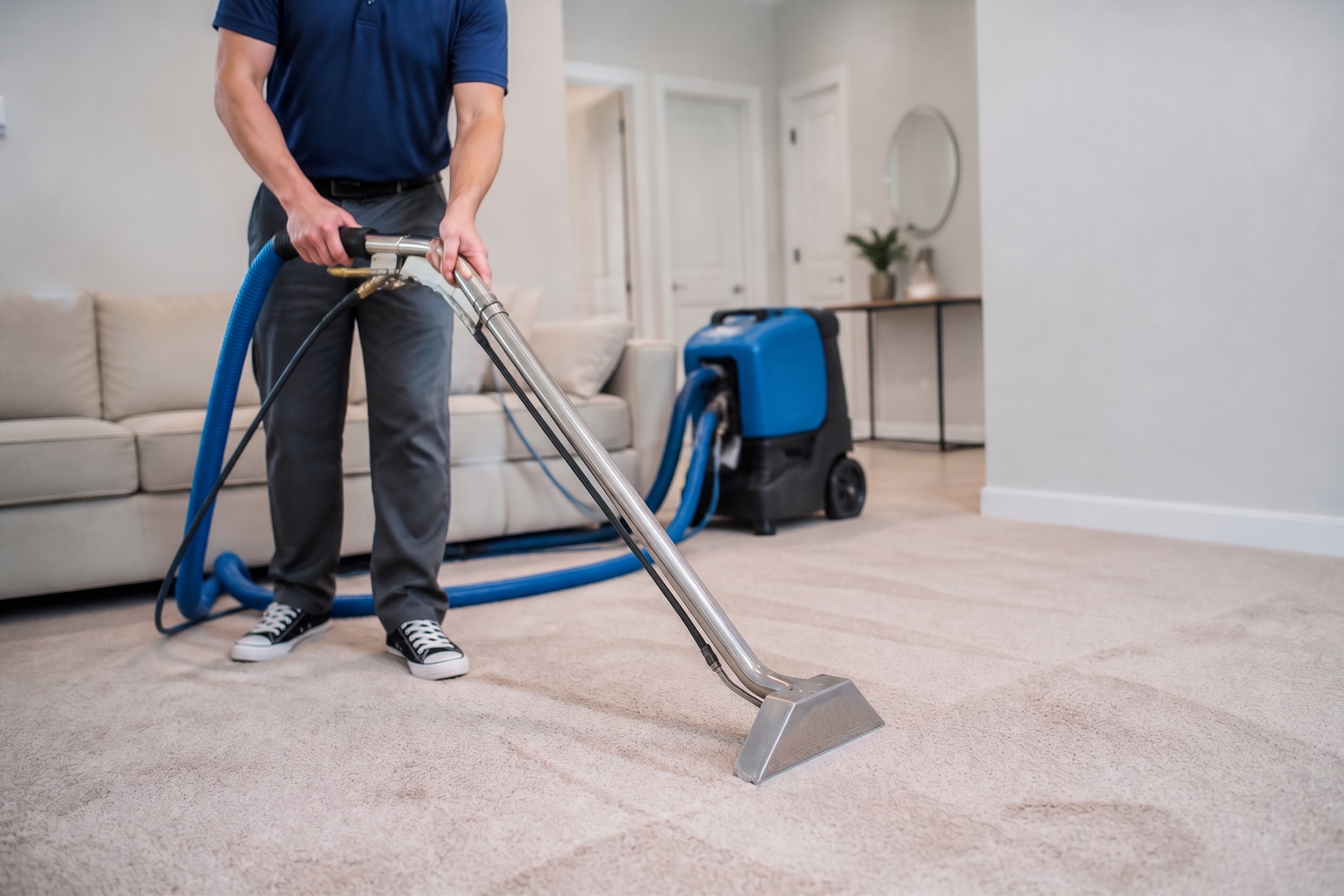
    Extraction is where the visible transformation happens. The technician pushes hot water combined with an acid-balancing rinse into the carpet under controlled pressure, immediately pulling the dissolved dirt and water back into a waste recovery tank.

    The standard hot water extraction sequence runs through three distinct actions:

    • Pressurised injection flushes out dissolved greases, dust mite waste, and cleaning agents
    • Dual-vacuum extraction wands recover up to ninety-five percent of the moisture applied
    • Dry vacuum passes pull residual dampness from the backing to reduce drying windows

    By removing fine particulate matter from deep within the weave, understanding how professional carpet cleaning improves indoor air quality becomes very clear, especially during dry Johannesburg winters when dust levels peak inside local homes.

    Grooming and Accelerated Drying

    Once extraction finishes, the technician resets the carpet pile using a professional grooming rake. Aligning the fibres in one direction helps the carpet dry evenly, maintains a uniform visual finish, and stops the pile from matting flat while damp.

    You can speed up the drying process dramatically by taking a few simple steps after the technician leaves:

    • Open opposite windows to create cross-ventilation across the rooms
    • Turn on ceiling fans and central ventilation systems to keep air circulating
    • Keep interior doors open to avoid trapping humid air in closed spaces
    • Avoid walking on damp carpets with outdoor shoes to prevent instant re-soiling

    Understanding Service Costs and Scope

    Service rates depend on square meterage, room layout, and the level of soil present in the pile. Empty rooms are faster to treat than fully furnished lounges, and heavily soiled high-traffic passages require extra chemical dwells and extraction passes. You can review detailed carpet cleaning pricing across Johannesburg to estimate costs accurately before booking your appointment.

    Professional Carpet Cleaning With Carpet Cleaning Central

    Carpet Cleaning Central provides reliable, industrial-grade steam cleaning services tailored to the specific soil and climate conditions of Gauteng homes. Our technicians manage every step, from detailed fibre inspections to rapid-dry extraction, ensuring clean, fresh carpets with minimal disruption to your daily schedule. Click the button below to book your clean or request an upfront quote.

    FAQs

    How long does the cleaning appointment take?

    A standard two-bedroom home or apartment clean takes roughly sixty to ninety minutes. Larger homes with multiple carpeted rooms, staircases, and heavy spot treatment can take between two and three hours.

    Can carpet cleaners work during load-shedding?

    Yes, many professional operations in Johannesburg use fuel-driven truck-mounted equipment or mobile generators. When booking, confirm your local power schedule so the team can bring portable power backup if required.

    Do I need to move my furniture before the team arrives?

    Technicians easily clean around large furniture pieces like heavy wardrobes, display cabinets, and king-size beds. You should remove small, fragile items, table decor, electronics, and small floor clutter like shoes and toys before the team arrives.

    How long should I wait before walking on the carpet?

    You can walk on the carpet immediately if you wear clean socks or indoor slippers, but try to avoid heavy foot traffic for four to six hours. Walking on damp fibres with street shoes or dirty bare feet transfers oils straight back onto the clean yarn.

  • What to Look for When Choosing a Container Transport Company in Cape Town

    What to Look for When Choosing a Container Transport Company in Cape Town

    When choosing a container transport company in Cape Town, you must look for direct port access accreditation, modern fleet capability with side loaders and skeletal trailers, transparent demurrage policies, and proven reliability in managing Cape Town Port delays. The local freight sector presents distinct operational challenges, including terminal congestion, severe southeasterly wind stoppages, and strict truck booking slots through Transnet. A dependable logistics partner keeps cargo moving efficiently between the Port of Cape Town, regional industrial hubs like Paarden Eiland and Montague Gardens, and national distribution corridors without racking up avoidable storage penalties.

    Port Terminal Accreditation and Direct Harbor Access

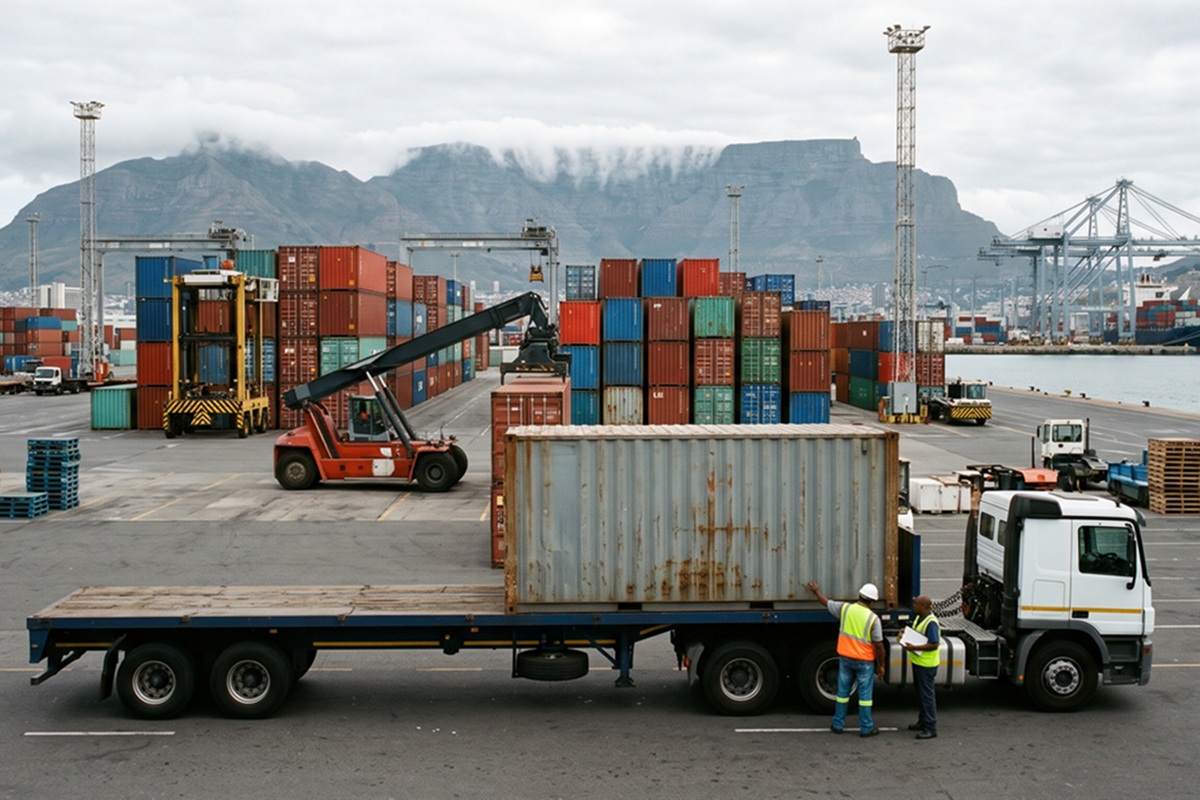
    Securing your container from the harbor requires more than standard long-haul trucks. Transnet Port Terminals operates on strict slot allocations via their Truck Booking System, requiring drivers and vehicles to carry valid port permits and RFID tags. When partnering with a provider for dedicated port cartage and freight logistics, verify that their fleet enters the terminal without intermediary third parties. Direct harbor access prevents communication breakdowns, secures fast gate movements, and minimises idle dwell time on the quay.

    To avoid costly terminal storage fees, verify that your transporter manages the following operational requirements directly:

    • Active registration on the Transnet Truck Booking System to claim available collection windows promptly.
    • Drivers equipped with valid port entry credentials and compliant safety gear for harbor terminal operations.
    • Direct depot facilities near Paarden Eiland or adjacent corridors for short-term staging when receiver premises are closed.
    • Real-time electronic interface with harbor booking gates to respond immediately to terminal gate closures.

    Fleet Versatility and Equipment Capabilities

    Container haulage demands specific trailer configurations depending on cargo weight, receiver offloading infrastructure, and container dimensions. If your delivery site lacks a dedicated gantry crane or reach stacker, hiring a standard flatbed trailer creates immediate offloading bottlenecks.

    Sidelifter and Skeletal Trailer Capabilities

    Sidelifter trailers allow drivers to place 20-foot and 40-foot shipping containers directly on the ground, allowing your warehouse team to unpack at ground level without elevated loading docks. Conversely, skeletal trailers reduce tare weight, permitting maximum legal payload weights for heavy export commodities such as wine, fruit, and industrial machinery.

    A capable Cape Town carrier must maintain fleet assets engineered for diverse container specifications:

    • Sidelifters for ground-level offloading at sites lacking loading bays or heavy forklifts.
    • Skeletal tri-axle chassis to transport heavy 20-foot and 40-foot containers legally within South African gross vehicle mass limits.
    • Modern mechanical hookups and electrical connections for refrigerated reefer containers needing continuous temperature control.
    • Twist-lock safety mechanisms inspected and certified to satisfy national road transport standards.

    Local Experience with Cape Town Port Delays and Weather

    The Cape Doctor, Cape Town’s notoriously powerful southeasterly wind, frequently forces container cranes at the port to halt operations for safety reasons. When crane operations pause, container backlogs accumulate rapidly, creating ripple effects across the entire Western Cape supply chain. In any objective review of the best container transport companies in Cape Town, operational agility during these weather stoppages separates professional operators from average hauliers.

    Experienced hauliers manage local environmental bottlenecks by maintaining strict protocols:

    • Continuous tracking of port wind speeds to anticipate terminal wind-bound declarations before trucks dispatch.
    • Alternative routing around high-traffic freight chokepoints along Marine Drive, the N1, and the N7.
    • Flexible scheduling that shifts driver shifts to night runs when harbor gates operate with shorter queues.
    • Constant liaison with shipping lines to adjust container return slots before detention windows lapse.

    Transparent Pricing and Demurrage Protection

    Shipping lines enforce strict detention timelines on containers, while port terminals grant limited free days before charging punitive storage rates. An inexperienced or disorganized transporter can easily cost your business tens of thousands of rands in detention penalties. Transparent pricing structures distinguish reputable logistics providers from operators who surprise clients with unexpected ancillary fees.

    Before signing a service agreement, inspect the billing schedule for clear terms regarding these standard line items:

    • Specified free loading and offloading time allowances at receiver and shipper premises.
    • Fixed hourly demurrage rates once standard offloading allowances expire.
    • Clear breakdown of port handling surcharges, diesel adjustments, and toll fees.
    • Pre-arranged staging charges if containers must rest overnight in a secure depot prior to final delivery.

    Container Transport With RRE Logistics

    Efficient freight movement across the Western Cape requires local experience, proper port infrastructure, and reliable rolling stock. RRE Logistics delivers dependable container haulage services, connecting the Port of Cape Town with commercial centres across the region. Click the button below to discuss your cargo schedules, request freight rates, and keep your container supply line operating on time.

    FAQs

    How do Cape Town wind delays affect container transport timelines?

    Strong southeasterly winds exceeding safe operational thresholds force container cranes at the Port of Cape Town to stop lifting. When wind delays occur, harbor gates close or slow down significantly, creating multi-day vessel and container backlogs. Transporters must reschedule collection slots and deploy staging strategies to mitigate container demurrage costs.

    What is the difference between skeletal trailers and sidelifters for container delivery?

    Skeletal trailers are lightweight chassis designed strictly to transport containers on the road, requiring an external crane, reach stacker, or raised loading dock to load and unload the box. Sidelifters feature integrated hydraulic lifting arms that pick up or lower containers directly to ground level, eliminating the need for specialized offloading equipment at your facility.

    How can importers avoid container detention and demurrage fees in Cape Town?

    Importers can minimise detention fees by pre-clearing customs paperwork prior to vessel berthing, booking transport slots as soon as the container status turns available, and using a carrier with off-dock staging facilities. This allows hauliers to pull containers from the quay within the free period and store them safely before final site delivery.

    Does a container transport company handle customs clearance at the Port of Cape Town?

    Most container cartage companies focus strictly on physical haulage and depot staging, collaborating with your clearing and forwarding agent to collect the release documentation. However, full-service logistics providers coordinate closely with customs brokers to ensure cargo release status aligns perfectly with truck booking slots.

  • How to Find a Reliable Container Transporter in Cape Town

    How to Find a Reliable Container Transporter in Cape Town

    Finding a reliable container transporter in Cape Town comes down to verifying port booking system access, fleet tracking capabilities, depot proximity, and clear demurrage protocols before committing cargo. The Port of Cape Town deals with persistent wind disruptions and gate bottlenecks, meaning the right logistics provider must possess both local infrastructure and proven operational contingency plans.

    Key Factors to Evaluate in a Cape Town Container Carrier

    Not every transport operator can handle movements into and out of the Cape Town Container Terminal effectively. When vetting candidates, evaluate operators based on specific performance criteria:

    • Direct integration with the Transnet truck booking system to avoid unnecessary gate delays.
    • Dedicated staging yards close to Paarden Eiland or Montague Gardens to store boxes during terminal downtime.
    • Fleet telematics providing real-time visibility from dockside collection to inland drop-off.
    • Up-to-date Goods in Transit insurance and verified driver certifications for heavy freight handling.

    If you are weighing multiple local road haulage options, reviewing industry assessments of Cape Town container carriers can help you benchmark regional service standards and market reputations.

    Managing Local Harbour Delays and Weather Challenges

    Cape Town presents distinct geographical challenges that standard road transport companies often fail to anticipate. The fierce South-Easter winds frequently halt crane operations at the container terminal, resulting in rapid congestion along Marine Drive and throwing standard turnaround schedules off track.

    Terminal Staging and Short-Haul Cartage

    An established carrier relies on off-dock holding facilities rather than leaving your cargo stranded in long terminal queues. Utilising dedicated port cartage and freight solutions ensures that your shipping line boxes are collected immediately when terminal gates open and staged safely before final delivery to inland destinations across the Western Cape.

    Steps to Vet and Secure Your Transport Provider

    Before signing contracts or assigning collection release notes, execute a structured verification process:

    • Request proof of active fleet insurance, carrier liability, and hazardous cargo accreditation if moving specialized loads.
    • Confirm their average terminal turn-around time and how they manage port detention fees.
    • Check depot security features, including perimeter monitoring, biometric controls, and 24-hour physical guard patrols.
    • Establish agreed payment terms alongside transparent quotes that separate fuel surcharges from terminal waiting time.

    Questions You Must Ask Before Handing Over Delivery Notes

    A short phone conversation can expose whether an operator has genuine harbour expertise or simply owns a few flatdeck trucks. Be sure to ask the following questions during initial discussions:

    • How do your dispatchers reroute loads when high winds suspend crane work at the multi-purpose terminal?
    • Do you have self-owned skeletal trailers and side-loaders, or do you sub-contract your peak-period transport runs?
    • What contingency measures do you take during regional load-shedding to keep tracking systems and communication channels active?

    Reliable Container Transport With RRE Logistics

    RRE Logistics delivers dependable, scheduled freight movement across the Western Cape, pairing hands-on port knowledge with a well-maintained vehicle fleet. With direct terminal coordination, secure staging yards, and experienced dispatch teams, every shipping container reaches its warehouse destination on time. Click the button below to discuss your route requirements and secure reliable container transport.

    FAQs

    How long does container collection take at the Port of Cape Town?

    Collection times vary depending on weather conditions and terminal congestion. On calm days with confirmed truck booking slots, turnaround takes two to four hours; however, strong winds can delay operations by twenty-four hours or more.

    What equipment is needed to offload a container on-site?

    If your warehouse does not feature a raised loading dock, you will require a carrier operating side-loader trailers or you will need to arrange an external crane or heavy-duty forklift to ground the unit.

    Who is responsible for container demurrage and detention charges?

    Shipping lines charge demurrage when containers remain inside the port beyond allocated free days, while detention applies when empty boxes are returned late. A reliable transporter helps you avoid both charges by scheduling rapid turnarounds and returning empties promptly.

    Can shipping containers be moved during adverse weather in the Western Cape?

    While road transport continues safely across major routes like the N1 and N2, the container terminal pauses straddle carriers and ship-to-shore gantry cranes when wind speeds exceed safety limits, temporarily holding container releases.

  • What Extra Charges to Expect With Container Transport in Cape Town

    What Extra Charges to Expect With Container Transport in Cape Town

    When moving shipping containers through the Port of Cape Town, standard cartage rates rarely cover every line item on your final billing statement. Cargo owners should expect extra charges including port storage, truck standing time, container depot handling fees, fuel adjustment factors, and statutory customs inspection costs. Understanding these expenses before your box docks at the Cape Town Container Terminal enables tighter cargo staging and prevents unbudgeted freight invoices.

    Port and Terminal Surcharges

    Transnet Port Terminals manages vessel discharge and container release through strict booking systems and limited free-time periods. When delays occur inside the harbour gates, port authorities and shipping lines assess penalties directly against the cargo clearing account. Working with reliable port cartage and freight logistics specialists helps clear your release documentation well before these terminal deadlines expire.

    Terminal-related line items frequently added to freight bills include:

    • Port storage fees: Transnet assesses daily storage rates on standard dry containers and refrigerated boxes once free-time allowances expire inside the marine terminal.
    • Navis slot booking adjustments: Hauliers must secure operational appointment slots to collect or stage boxes, and failed gate entries during congestion periods can attract wasted-run surcharges.
    • Reefer electricity and monitoring charges: Temperature-controlled units incur running costs for daily electrical plug-in connections while held on terminal ground.

    Wind Delays at the Container Terminal

    Cape Town weather presents distinct transport challenges, particularly between October and March when the Cape Doctor south-easterly wind exceeds safe operational thresholds. Terminal cranes halt operations when winds surpass 80 kilometres per hour, creating substantial vessel backlogs and delaying gate turnarounds. Even though wind shutdowns are acts of nature, terminals still bill storage if free days pass before your haulier gains terminal access.

    Carrier Equipment and Detention Fees

    Shipping lines supply the physical containers but charge steep daily hire fees whenever units remain outside their depots longer than agreed contract windows. Cargo owners must separate transporter truck fees from shipping line equipment fees, as both run on independent schedules.

    Equipment penalties generally fall into three billing tiers:

    • Line demurrage: Fees assessed by ocean carriers while a full container sits inside terminal facilities past allowable commercial days.
    • Equipment detention: Daily penalties incurred from the moment an empty or full container leaves the port until the empty unit returns to the shipping line empty depot.
    • Depot turn-in and repositioning charges: Ocean lines often route empty returns to specific inland staging facilities around Paarden Eiland, Bellville, or Montague Gardens, which may require cross-town shuttling fees.

    Unpacking Delays and Truck Demurrage

    Transporters provide an allocated window, usually two to three hours, for loading or unloading your container at regional warehouses in areas such as Epping, Airport Industria, or Blackheath. When offloading takes longer due to staff shortages, palletising bottlenecks, or equipment failure, hauliers assess truck demurrage, charged per hour or as a fixed half-day standing charge.

    Depot and Regulatory Compliance Costs

    Containerised freight passing through the Western Cape faces regular statutory scrutiny from the South African Revenue Service and port health officials. Selected containers are stopped for cargo examinations, which triggers automatic third-party operational fees outside your transporter basic haulage quote.

    Regulatory and depot charges to anticipate include:

    • Customs examination handling: SARS stops require container transit to an external inspection depot like SACD, where unstacking, scanning, and repacking fees apply.
    • Depot lift-on and lift-off fees: Intermediate holding facilities bill handling tariffs each time container handling equipment lifts your unit on or off a skeletal trailer chassis.
    • Fuel adjustment factor charges: Local diesel price adjustments are added monthly to haulage base rates to reflect shifting national fuel costs.
    • Axle overload penalties: Transporting dense, uncalculated bulk cargo risks heavy fines and cross-loading fees if gross vehicle mass limits are exceeded at provincial weighbridges.

    Container Transport in Cape Town With RRE Logistics

    Uncontrolled transport surcharges erode margin on import and export operations. Managing these secondary costs requires careful booking schedules, real-time tracking, and immediate communication with terminal personnel. By partnering with the best container transport companies in Cape Town, you gain disciplined staging strategies that mitigate terminal standing charges and keep container handovers efficient. Click the button below to organise your harbour deliveries, manage container depot turn-ins, and obtain direct haulage quotes with clear, predictable billing structures.

    FAQs

    How much free time do I get at the Port of Cape Town?

    Transnet Port Terminals typically provides between three to four calendar days of free time for standard dry import containers following discharge from the vessel. Refrigerated containers receive less free time, often limited to 48 hours, due to heavy power and plug-point requirements in the staging stacks.

    What is the difference between demurrage and truck standing time?

    Demurrage is a fee billed by shipping lines for keeping their container equipment beyond the permitted contractual free period. Truck standing time, also known as driver detention, is a separate charge billed by your transport company when a driver waits at your loading or offloading facility longer than the agreed free window.

    Why does Cape Town weather impact container transport costs?

    Gale-force south-easterly winds force port crane operators to shut down terminal operations for safety reasons. These wind delays lead to gate booking cancellations, vessel queues, and storage accruals, as free-time counters frequently continue to run while containers sit trapped in windbound terminal stacks.

    How can importers reduce unexpected container charges?

    Clear customs declarations before the vessel arrives, book delivery slots at your warehouse well in advance, and confirm that receiving teams possess appropriate offloading equipment. Direct communication between your clearing agent and haulier ensures containers move the instant release status reflects on terminal systems.