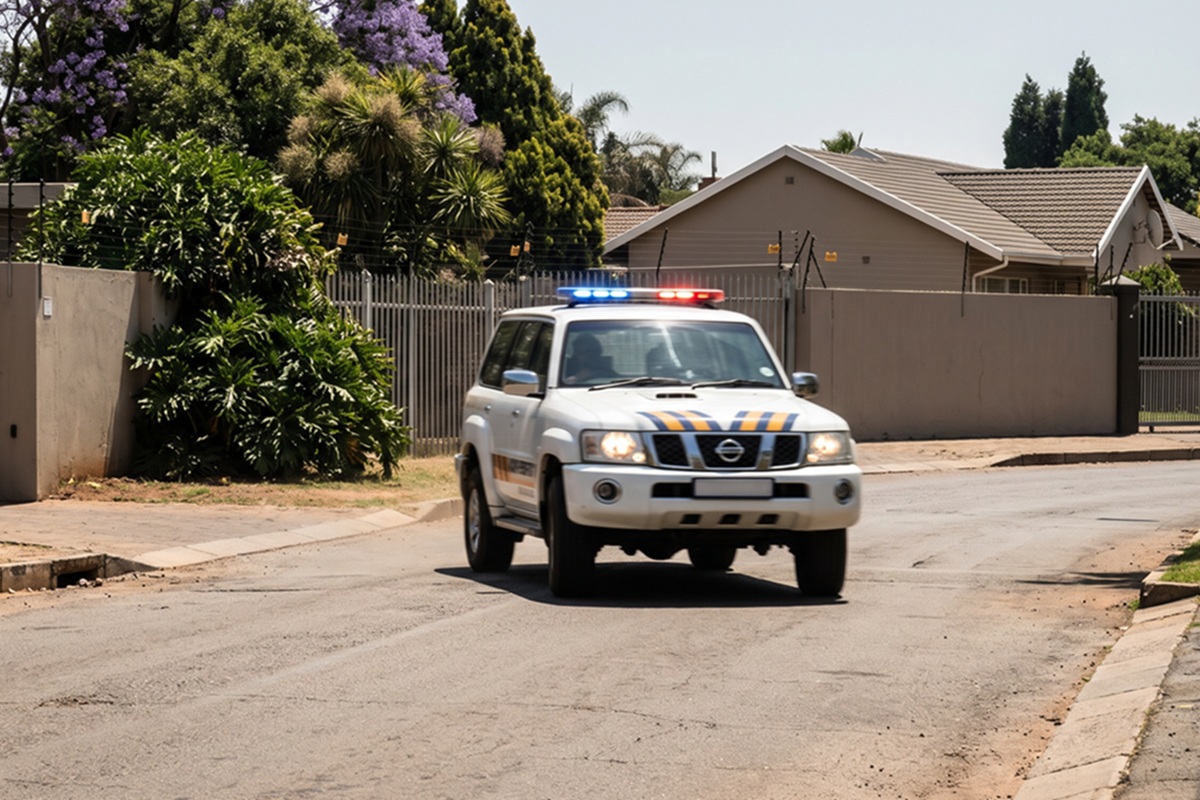
Fidelity ADT armed response vehicles typically reach homes in Johannesburg within 5 to 12 minutes following a confirmed alarm trigger. In dedicated patrol sectors and high-density coverage zones such as Sandton, Bryanston, and Parkhurst, arrival times frequently average between 3 and 7 minutes. In outer suburbs or during periods of heavy gridlock and severe load-shedding, response times can stretch past 15 minutes. Understanding how operational logistics work in Gauteng helps homeowners design physical barriers that hold off intruders until the patrol officer arrives.
Factors Influencing Response Times Across Johannesburg Suburbs
Dispatch speed depends heavily on where patrol cars are staged throughout the day. While central business hubs and guarded suburbs have tight patrol grids, outlying areas rely on wider roving zones. Assessing reliable ADT home security setups ensures your alarm equipment communicates instantly with the monitoring centre without carrier lag.
Several physical and operational variables dictate how quickly an officer reaches your perimeter:
- Suburban vehicle density: Suburbs funding dedicated patrol schemes see units arrive substantially faster than neighbourhoods served only by general municipal fleet roaming.
- Access-controlled enclosures: Boomed areas, intercom delays, and security gates can slow patrol cars by several minutes if access systems fail or queues form.
- Traffic disruptions from load-shedding: Dead traffic signals create bottlenecks along major Johannesburg arteries, forcing tactical vehicles to navigate alternate back roads.
- Alarm verification cycles: Telephonic verification protocols by dispatch operators can consume valuable time before a vehicle is formally assigned to your address.
The Mechanics of an Armed Response Dispatch
The armed response clock does not begin when an intruder enters your garden; it begins the moment the signal hits the central monitoring room. Selecting the proper equipment from a Fidelity ADT home security package ensures your system features dual-path signal transmission to reduce operational friction.
The Signal Verification Phase
Once a zone sensor trips, your transmitter relays an event code. Monitoring operators immediately review the zone data. If the signal comes from a panic button or external perimeter beam, protocol dictates priority dispatch. Interior passive infrared activations might trigger a quick verification call to your mobile number to prevent unnecessary call-outs from household pets.
Tactical Routing and Perimeter Inspection
Johannesburg control centres assign calls to the closest roving officer using real-time GPS tracking. Once on site, the officer does not merely park outside; they perform an exterior perimeter sweep to verify boundaries, check locks, and inspect exterior windows for tampering.
A standard emergency response sequence follows these operational benchmarks:
- Instant signal dispatch: The alarm transmitter pings the central control network within two to four seconds of sensor tripping.
- Operator processing: Controllers log the zone, confirm the alert priority, and transmit digital coordinates to the nearest roving vehicle.
- Site arrival and search: The officer pulls up to the street address, announces presence, and conducts a physical check of the outer property line.
Practical Ways to Shave Minutes off Response Arrival
A fast response vehicle is only effective if the officer can locate and enter your property without delay. Property owners should assess whether an ADT home security system is your best defence or if external property bottlenecks are stalling tactical teams.
Eliminating Street-Level Access Hurdles
Officers lose vital time searching for obscured street numbers in poorly lit suburbs. Visible reflective numbers painted on outer boundary walls make a notable difference at two in the morning. Providing your security provider with gate remote access or entry codes stops officers from being held up at your front gate while intruders are inside.
Layering Your Detection Zones
If your alarm triggers only when someone breaks a window, your tactical reaction team starts their drive with zero lead time. Early detection systems change that dynamic entirely.
Homeowners can speed up arrival times by addressing simple external obstacles before emergencies occur:
- Clear property numbering: Display high-contrast, reflective street numbers on outer gateposts so responding officers never guess your location in the dark.
- Keypad gate overrides: Equip boundary gates with coded digital access or rapid remote modules accessible to verified armed officers.
- Outdoor boundary beams: Install outdoor detection beams along fence lines to dispatch armed support while an intruder is still in the garden.
- Battery backups for transmitters: Ensure backup batteries powering your radio link and gate motors remain fresh to survive extended power cuts.
ADT Armed Response With SMP Security
Knowing your security team can respond swiftly is only half the battle; ensuring your hardware triggers the call early is what keeps your family safe. SMP Security evaluates your property layout, identifies vulnerabilities, and integrates reliable monitoring solutions tailored to Johannesburg living conditions. Click the button below to schedule a security assessment or discuss monitoring options for your home.
FAQs
Do armed response vehicles wait for telephone confirmation before dispatching?
Panic alarms and perimeter beam activations trigger immediate vehicle roll-outs without delay. For standard interior motion sensors, operators may phone keyholders first to filter out false alarms, unless you have specifically instructed the control room to dispatch instantly on all activations.
How does load-shedding affect Johannesburg response speeds?
Power cuts slow traffic flow across major road corridors due to unpowered traffic lights, forcing officers to take slower routes. Battery drainage on local cellular towers can also delay wireless alarm packet transmission, making hardwired dual-sim transmitters essential.
What happens if an officer arrives and the gate is locked?
Officers perform visual inspections from the street boundary and use vehicle spotlights to scan the yard. If the property is inaccessible and there are visible signs of forced entry, backup units and the South African Police Service are contacted immediately while the keyholder is notified.
Can you track the response vehicle in real time on your phone?
Yes, modern security apps provide live location updates once an armed response vehicle is assigned to your alarm activation. This gives homeowners visibility over the officer location and estimated arrival time directly on their mobile device.
Leave a Reply