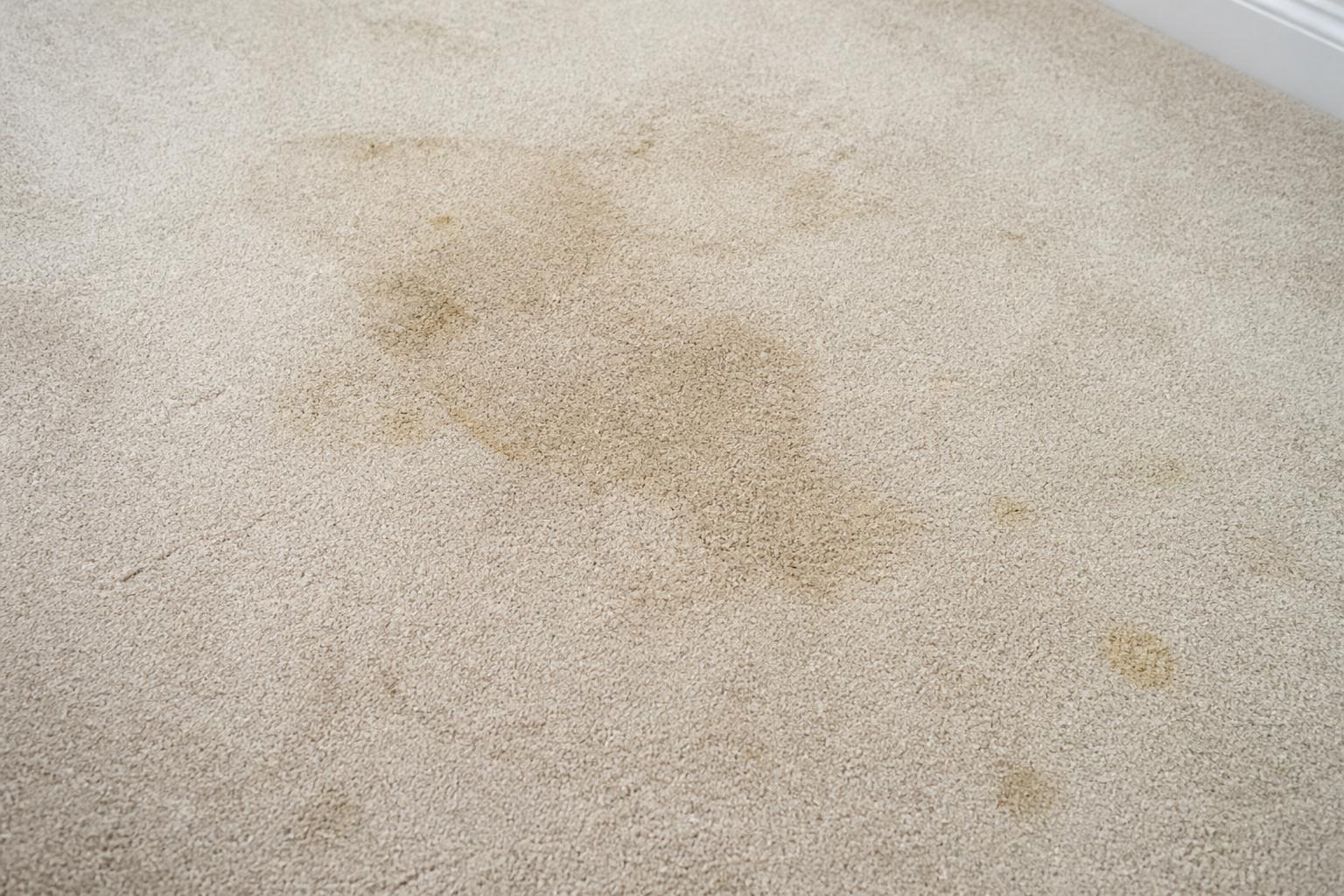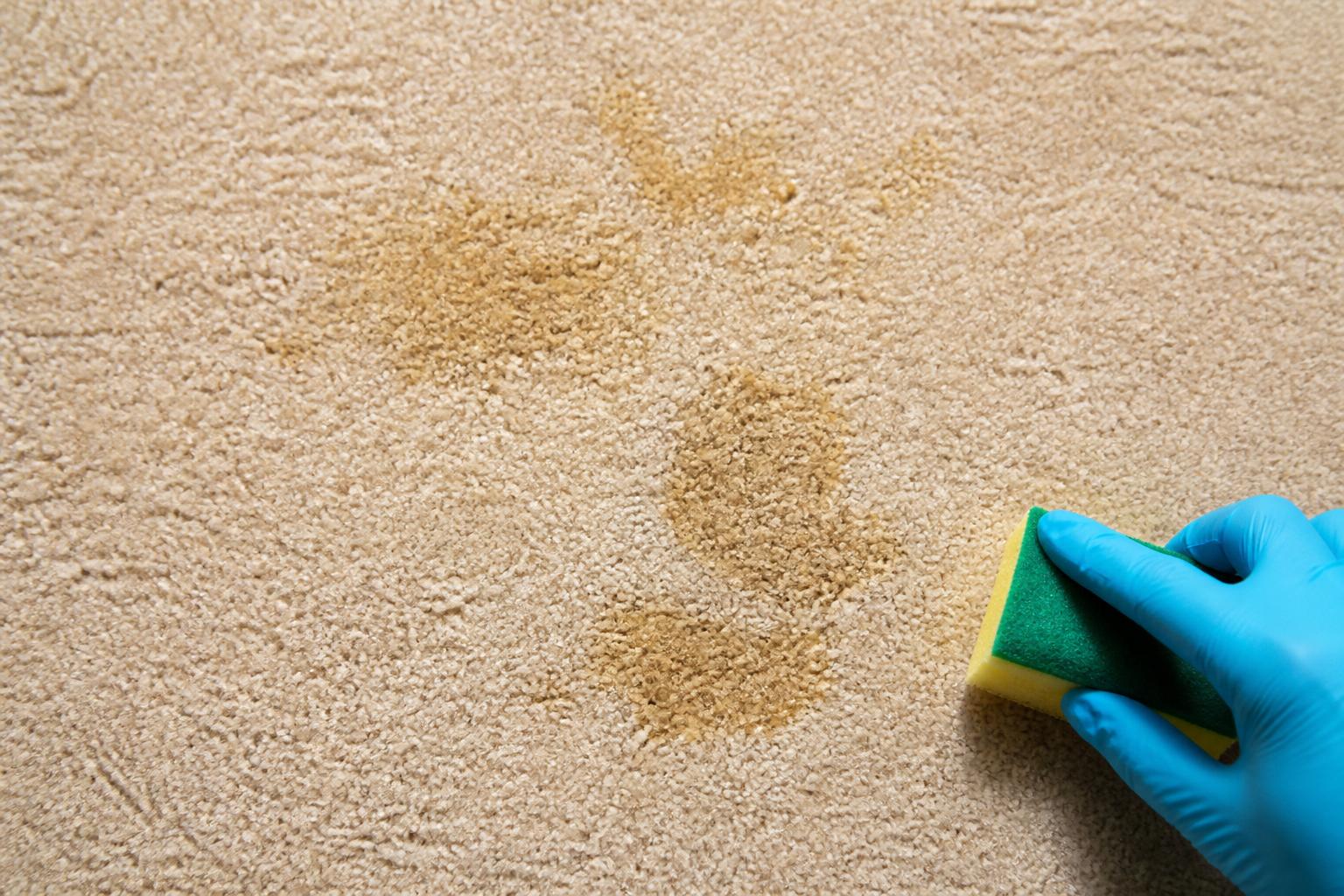
Yes, old stains and yellowing can frequently be removed or significantly reduced, but success depends on whether the carpet fibre is merely soiled or chemically altered. Organic spills, dried pet urine, and tracked-in red Highveld soil respond well to specialised treatments. However, permanent fibre degradation caused by intense ultraviolet light or aggressive bleach cannot simply be washed away; it requires targeted chemical neutralisation or professional colour restoration.
Understanding What Causes Carpet Yellowing and Persistent Discolouration
Discolouration is rarely just surface dirt. Over time, heat, ambient humidity, and tracked contaminants trigger chemical reactions inside carpet pile. In Johannesburg homes, dry winter dust combined with intense sunlight accelerates this degradation, turning once-neutral carpets into patchy, yellowed surfaces.
Several distinct environmental and chemical factors trigger persistent carpet yellowing across Gauteng homes:
- Highveld UV exposure, which breaks down dye molecules on carpet areas near north-facing windows and sliding patio doors
- Pet urine crystallisation, where uric salts become increasingly alkaline over months and cause permanent chemical scorch marks
- Alkaline detergent residue left behind by hire-machines or grocery store spot cleaners, which turns brown or yellow as it oxidises
- Phenolic yellowing, caused by butylated hydroxytoluene (BHT) off-gassing from foam underlays under heavy furniture with limited airflow
Why Urine and Tannins Turn Yellow Over Time
When pet urine or beverages like tea and coffee first soak into carpet, they are mildly acidic. As they dry, water evaporates and leaves behind concentrated acid or alkaline salts. Over weeks and months, these deposits undergo oxidation. In the case of pet urine, bacteria convert urea into ammonia, driving the pH level above 10. That extreme alkalinity acts like a slow bleach on nylon and wool fibres, stripping away blue and red dye components and leaving behind bright yellow patches.
Professional Restoration Techniques for Deep-Set Stains
Rinsing an old stain with hot water is rarely enough to correct stubborn colour shifts. Removing aged residue demands precise chemical management to dissolve bound crystals without burning the pile. Technicians match specific chemistry to the origin of the stain before applying heated extraction.
Qualified technicians rely on targeted chemistry to correct specific discolouration problems:
- Mild acid rinsing to break down alkaline urine crystals and neutralise the pile
- Controlled oxidisation treatments to dissolve stubborn organic tannins like red wine, tea, and rooibos
- Reducing agents to chemically strip synthetic food dyes and heat-set pigment spills
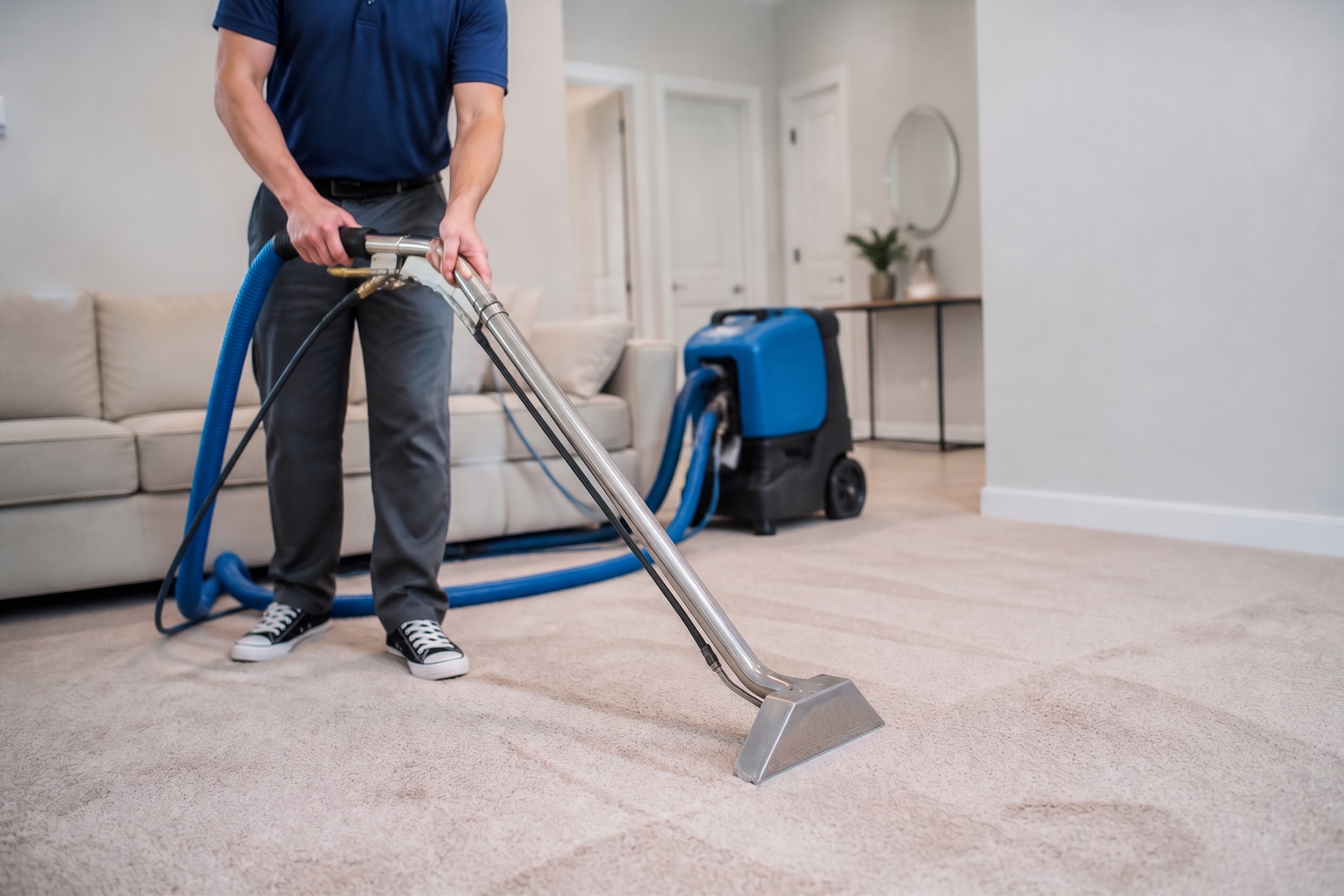
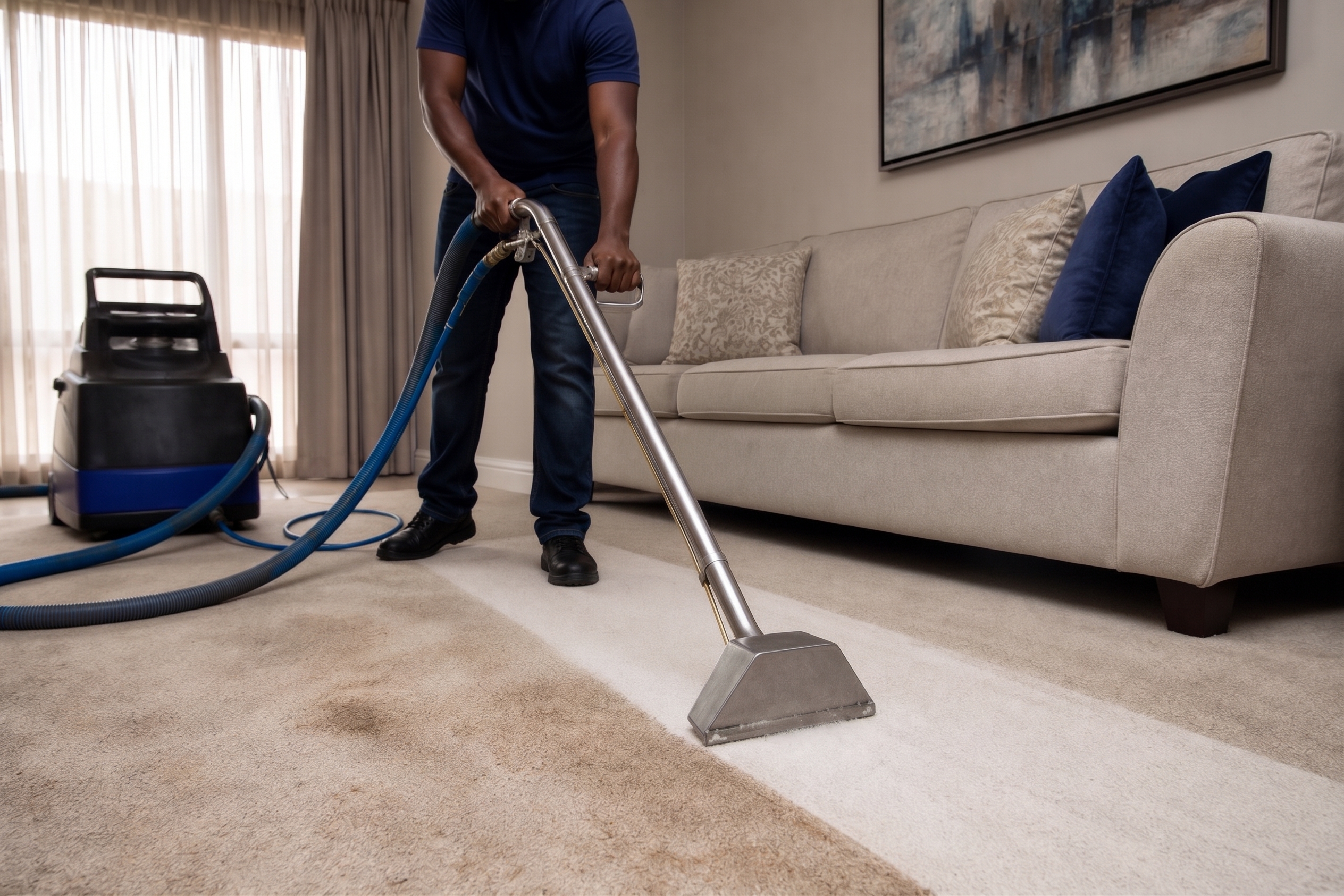
- Hot water extraction at controlled pressures to draw out deep particulate soil without soaking the backing
For carpets plagued by years of accumulated grease and grime, using deep carpet cleaning methods for stubborn stains ensures the extraction process reaches the root of the problem without damaging delicate fibres.
Targeted Acid Spotting for Cellulose Browning
When natural backings like jute get wet, lignin bleeds upward into the surface tips, producing an unsightly yellow or brown hue known as cellulosic browning. Standard soapy water only makes this reaction worse. Professional cleaners neutralise this problem by misting an acidic corrective rinse across the affected area, shifting the carpet back to a balanced pH of 4.5 to 5.5 and visibly reversing the yellow cast as the fibres dry.
Why Everyday DIY Methods Often Worsen Carpet Discolouration
Most homeowners reach for baking soda, dishwashing liquid, or off-the-shelf foaming spotters when a stain reappears. While well-intentioned, these store-bought remedies regularly turn a manageable stain into a permanent defect.
Off-the-shelf treatments often backfire due to three main errors:
- Setting the stain permanently by scrubbing aggressively or applying boiling water directly to protein spills
- Leaving sticky detergent residues that act as dirt magnets for fine red dust and everyday foot traffic
- Overwetting the underlay, which triggers secondary backing browning and musty indoor odours
High-alkaline soap bars and generic spotters often strip the stain-resistant coatings applied at carpet mills. Once that protective barrier disappears, the fibre absorbs future spills like a sponge. In addition to preserving carpet appearance, thoroughly flushing out these embedded deposits through professional carpet cleaning to improve indoor air quality eliminates the allergens and fine particulate dust trapped beneath furniture.
Understanding the Investment for Specialist Stain Removal
Simple surface cleans cost less than deep chemical neutralisation because restorative work takes extra time, specialised spotting agents, and multiple extraction passes. When budgeting for restorative treatments, property owners should consider the scope of the damage rather than expecting a flat per-room rate.
Several key elements determine the final quote for specialist stain treatment:
- The total area requiring treatment and the accessibility of the rooms
- The carpet fibre construction, as wool demands delicate pH balancing compared to durable polypropylene
- The chemical history of the carpet, including prior DIY cleaning chemicals that must first be flushed out
- The need for sanitising subfloor injections to treat pet urine that has penetrated the underlay
Reviewing current professional carpet cleaning rates in Johannesburg provides a clear picture of what standard extraction versus advanced stain recovery entails.
Precision Restoration With Carpet Cleaning Central
Old stains and discolouration do not always mean you need to replace your flooring. Carpet Cleaning Central brings industrial equipment, spot-testing precision, and specialised neutralising treatments directly to your door across Johannesburg. Whether dealing with pet accidents, sun-baked soil, or stubborn yellowing, our team evaluates fibre integrity to deliver the best possible outcome. Contact Carpet Cleaning Central today through our website to discuss your carpet restoration needs and request a free quote.
Frequently Asked Questions
Can yellow pet urine stains on wool carpets be completely removed?
If caught before the ammonia has chemically altered the wool dye, urine deposits can usually be removed. However, if the urine sat untreated for months, it may have permanently stripped the blue and red dyes from the wool. In those instances, the urine crystals can be fully sanitised and deodorised, but faint yellow staining might require professional spot dyeing.
Does standard steam cleaning remove yellowing from sunlight?
No. Sunlight destroys dye molecules through photo-oxidation, creating physical fibre damage rather than dirt accumulation. Steam cleaning cleans the fibres and removes surface grime, but it cannot restore pigment that has been degraded by ultraviolet rays.
Why do old stains reappear after the carpet dries?
Stains reappear due to wicking. When liquid penetrates deep into the carpet underlay, surface cleaning removes only the visible top layer. As the carpet dries, moisture from the backing moves upward toward the dry fibre tips via capillary action, pulling dissolved soil and old residue back to the surface.
How long will it take for carpets to dry after stain treatment?
Under typical Johannesburg conditions, carpets dry within four to six hours. Using high-velocity air movers and extraction machinery minimises moisture retention, allowing you to walk on treated areas the very same day.